




Cutting Tray Manufacturer Guide: Choosing Multi-Function Prep Tools
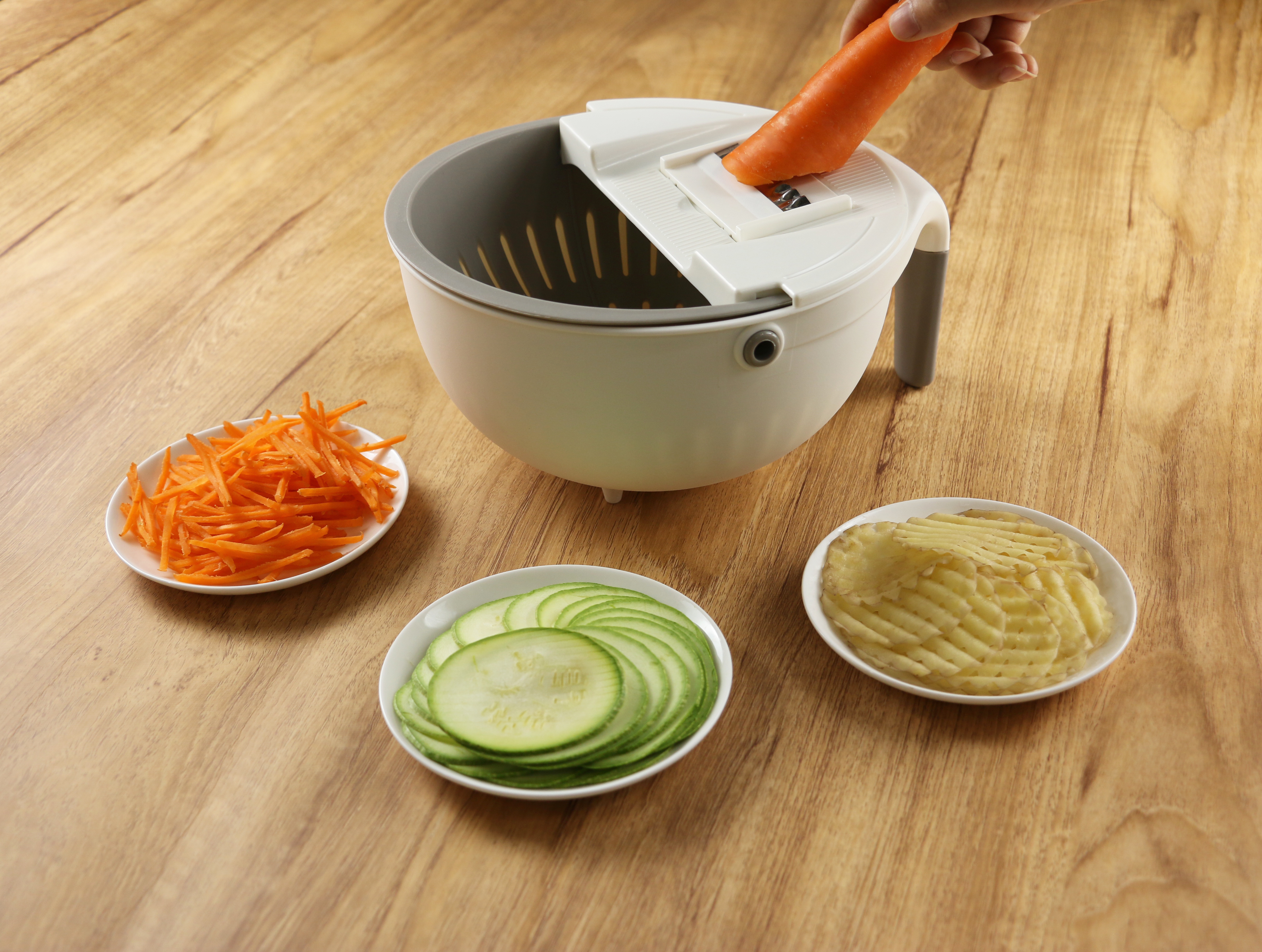
For retailers, importers, promotional buyers, and kitchenware distributors, a cutting tray is no longer just a flat board. Many buyers now look for prep tools that combine slicing, rinsing, draining, and serving support in one compact product. The original article described a modern plastic cutting tray in a white and orange color scheme, with drainage slots, four interchangeable stainless steel slicer inserts, a firm-grip handle, and a protective rotating lid. Those are useful product details, but sourcing this type of item successfully requires more than attractive features.
This guide explains how to evaluate a cutting tray manufacturer or supplier for organic search users who are comparing options, preparing an OEM request, or deciding whether a multi-function kitchen prep tray is suitable for their market. It focuses on practical questions, quality checkpoints, and buyer considerations rather than broad promotional claims.
Key Takeaways
- A multi-function cutting tray should be assessed as a food-prep system, not as a single plastic tray.
- Drainage design, blade handling, stability, and cleaning convenience affect user satisfaction.
- Buyers should ask suppliers to confirm material details, packaging, testing, and compliance instead of assuming them.
- OEM and wholesale projects need clear samples, artwork files, inspection criteria, and replacement-part planning.
- Retail success depends on explaining everyday use cases clearly and safely.
What Makes a Modern Cutting Tray Different?
A conventional cutting board provides a surface for chopping. A multi-function cutting tray adds workflow support. The product described in the original article combines a plastic tray or bowl form with washing and draining capability, allowing users to rinse vegetables and let water pass through drainage slots after slicing. This can reduce countertop mess and limit the number of separate bowls or strainers used during meal preparation.
The slicer function is another important distinction. The article states that the tray includes four interchangeable slicer inserts made from stainless steel. These inserts are intended for different cuts, including fine julienne strips, uniform slices, and wavy cuts. For shoppers, this makes the product appealing as a compact prep station. For B2B buyers, it also means there are more parts to inspect, package, replace, and explain in product instructions.
Feature Checklist for Product Evaluation
Before placing a wholesale or OEM order, buyers should move beyond surface appearance and compare functional details. A clean white and orange color scheme can help the product stand out on a shelf or online listing, but performance depends on how well each part works together.
| Feature to Check | Why It Matters | Questions to Ask the Supplier |
|---|---|---|
| Plastic tray body | Controls weight, cleaning feel, and everyday durability | What plastic material is used, and can it be documented? |
| Drainage slots | Allows washing and draining after cutting | Do the slots drain quickly without trapping food pieces? |
| Four slicer inserts | Adds versatility for julienne, slicing, and wavy cuts | How are inserts packed, stored, and protected during shipping? |
| Stainless steel blades | Affects cutting performance and corrosion resistance | What stainless steel grade is used, and is it verified? |
| Firm-grip handle | Improves control during rinsing and moving food | Is the handle comfortable when the tray is wet? |
| Protective rotating lid | Helps reduce direct contact with blades during use | How should users lock, rotate, remove, and clean it? |
How B2B Buyers Should Assess a Cutting Tray Manufacturer
When the search intent includes manufacturer, supplier, OEM, or wholesale, the main concern is not only whether the product looks useful. Buyers need confidence that the supplier can repeat the same quality across production, communicate clearly, and support the documentation needed for the target market.
Start with a sample review. Check whether the tray sits flat, whether the drainage openings are smooth, whether the slicer inserts fit securely, and whether the rotating lid moves without feeling loose or difficult. Inspect the blade edges carefully and confirm that packaging prevents blade contact during transport. If the product will be sold online, also test how easily a first-time user can understand the parts without assistance.
Next, ask process questions. A responsible supplier should be able to explain how materials are selected, how incoming parts are checked, how finished goods are inspected, and what information is available for compliance review. If a buyer needs specific food-contact declarations, labeling, drop-test standards, carton markings, or market-specific documentation, those requirements should be discussed before price confirmation and before mass production.
OEM and Wholesale Questions to Ask Before Ordering
A clear sourcing brief reduces misunderstandings. For a multi-part cutting tray, buyers should define product color, logo placement, package type, instruction language, spare insert policy, carton requirements, and inspection criteria. If any detail is missing, the supplier may make a practical assumption that does not match the buyer's sales channel.
- Can the supplier provide pre-production samples showing the final color, blade inserts, lid, and packaging?
- What material information can be provided for the plastic tray and stainless steel slicer inserts?
- Are customized colors, logos, or retail packaging available, and what are the setup requirements?
- What is the recommended way to package the four inserts so they remain organized and safe?
- What quality checks are used for blade fit, tray stability, drainage, handle strength, and lid movement?
- What are the available order quantities, lead times, and replacement-part options?
These questions do not assume capacity, certification, price, or minimum order quantity. They help buyers collect the facts needed to compare suppliers fairly.
Product Selection Guidance for Retail and End Users
For consumer-facing listings, the strongest message is practical convenience. A buyer may want one item that can rinse vegetables, slice ingredients, drain water, and keep prepared food contained. The combination of a tray, drainage bowl, slicer inserts, handle, and protective lid can support salads, potato slices, garnishes, and everyday vegetable prep.
However, marketing should remain accurate. If a listing says the tray is food grade, dishwasher safe, BPA free, or suitable for a specific temperature range, the seller should confirm those claims with documentation from the supplier. If such information is not available, describe only the visible and verified functions: plastic tray body, drainage slots, stainless steel slicer inserts, firm-grip handle, and protective rotating lid.
Use and Care Tips That Reduce Returns
Multi-function kitchen tools are more likely to receive positive reviews when users understand how to handle them. Clear instructions can reduce misuse, blade-related concerns, and cleaning complaints. Retail packaging or an online product page should explain that slicer inserts are sharp and should be handled by their edges or designated grip areas if provided. The rotating lid should be used as intended to help keep fingers away from cutting surfaces.
- Wash the tray and inserts before first use according to the supplier's care instructions.
- Choose the correct insert for julienne, slicing, or wavy cutting before starting prep.
- Place the tray on a stable surface and avoid forcing very hard foods through the slicer.
- Rinse food particles from drainage slots soon after use to prevent buildup.
- Dry metal inserts before storage unless the supplier confirms another care method.
FAQ
What is a cutting tray manufacturer?
A cutting tray manufacturer produces kitchen preparation trays, which may include cutting surfaces, draining functions, slicer inserts, handles, lids, or other components. For B2B orders, buyers should verify whether the company manufactures directly or works as a trading supplier.
What features should I compare in a multi-function cutting tray?
Compare the tray material, drainage design, blade insert fit, handle comfort, lid operation, cleaning ease, packaging, and instruction quality. If the tray includes stainless steel inserts, ask the supplier to confirm the steel grade and care requirements.
Can a cutting tray be customized for OEM orders?
Customization may be possible, but buyers should ask the supplier directly about color options, logo methods, packaging design, order quantity, sample fees, lead time, and approval process. Do not assume OEM options are available without confirmation.
Is a draining cutting tray suitable for retail sales?
It can be suitable when the target customer values compact kitchen tools and faster vegetable preparation. Retail success depends on clear images, accurate feature descriptions, safety instructions, and realistic claims.
What should buyers avoid when sourcing this product?
Avoid vague specifications, unverified material claims, unclear blade packaging, and missing care instructions. Buyers should also avoid approving mass production before reviewing a complete sample with all inserts, lid, handle, drainage structure, and final packaging.
