




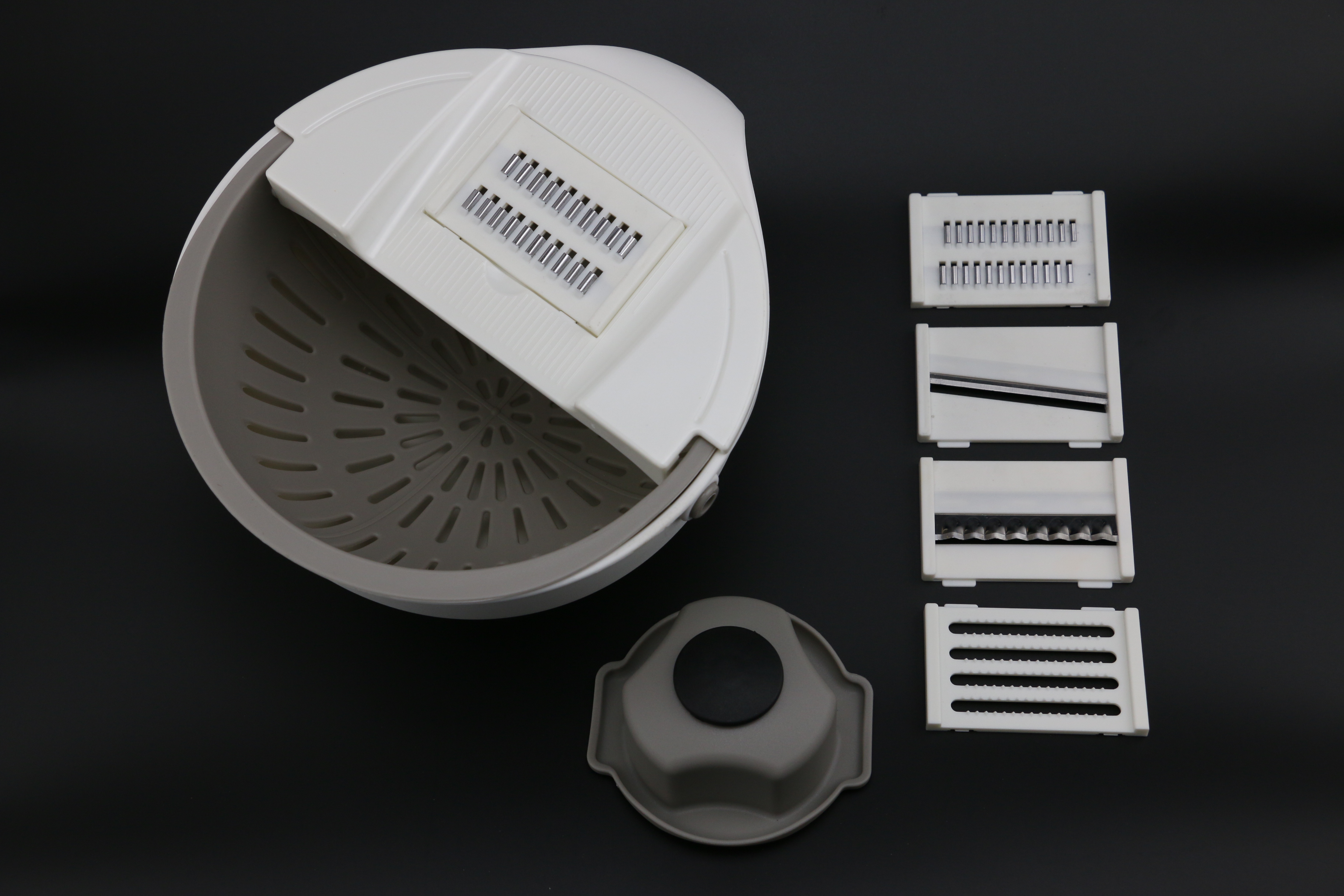
Cutting Tray Manufacturer: Practical Sourcing Guide for Multi-Function Prep Trays
For retailers, wholesalers, kitchenware brands, and OEM buyers, a cutting tray is more than a simple food-prep accessory. The right product can combine a cutting surface, adjustable slicing function, rinsing bowl, and built-in draining area in one compact tool. The wrong product can create complaints about unstable cutting, difficult cleaning, weak handles, or confusing assembly.
This guide rewrites the original product introduction into a more useful sourcing article. It focuses on how to evaluate a cutting tray manufacturer, what to ask before placing an order, and how to judge whether a multi-function vegetable cutting and draining tray fits your market. It does not assume any unverified factory capacity, certification, material grade, MOQ, price, or test result. Instead, it highlights the practical questions buyers should confirm directly with each supplier.
Key Takeaways
- A multi-function cutting tray is designed to reduce tool changes during vegetable preparation by combining slicing, rinsing, and draining.
- Buyers should verify materials, blade safety, handle strength, cleaning method, packaging, and replacement-part policy before ordering.
- For OEM or wholesale sourcing, request samples and test them with common vegetables such as carrots, cucumbers, and potatoes.
- Do not rely only on product photos; ask for assembly instructions, material declarations, and quality inspection standards.
- The best supplier choice depends on your sales channel, target price point, packaging needs, and after-sales risk tolerance.
What Is a Multi-Function Cutting Tray?
A multi-function cutting tray is a kitchen preparation tool that usually combines a tray or bowl with a cutting or slicing area and a draining function. The original article described a product used for vegetables such as carrots, cucumbers, and potatoes, with an integrated adjustable slicing mechanism and a built-in colander. This type of design is intended to help users cut produce and rinse it in the same container, reducing the need to move food between a cutting board, bowl, and separate strainer.
For consumer-facing brands, the appeal is convenience and cleaner preparation. For B2B buyers, the value depends on whether the product is durable, safe to use, easy to explain, and suitable for repeat sales. A tray with too many parts may look impressive online but disappoint users if it is awkward to clean or store. A simpler design may perform better if it feels stable and intuitive.
How the Cutting and Draining Function Supports Daily Prep
The original concept highlights three practical stages: selecting vegetables, slicing them to the desired thickness, and rinsing them without transferring them to another tool. An adjustable slicing mechanism can be useful when users want thin slices for garnishes or thicker cuts for soups and stews. However, buyers should not assume every model offers the same blade quality, thickness range, or stability. These details should be confirmed in the product specification and sample testing.
The built-in draining area is another important feature. A tray that also functions as a food draining tray can help users rinse sliced produce directly in the bowl. In practice, drainage performance depends on hole size, hole placement, bowl depth, and how easily water exits when the tray is tilted. During sample review, test whether small vegetable pieces get trapped, whether water pools in corners, and whether the product remains comfortable to hold when filled.
Comparison Checklist for Buyers
| Evaluation Point | What to Check | Why It Matters |
|---|---|---|
| Material information | Ask what material is used and whether supporting documents are available. | Food-contact products require clear material disclosure for your target market. |
| Slicing mechanism | Test adjustment, blade exposure, cutting consistency, and user safety. | A poor slicing area can cause uneven results or customer complaints. |
| Draining design | Check drainage speed, hole size, and whether food gets stuck. | The draining function should reduce work, not add cleaning problems. |
| Handle and stability | Review grip comfort, flexing, and control during rinsing. | Users need a secure hold when the tray contains water and vegetables. |
| Cleaning and storage | Confirm whether parts disassemble and how compactly the tool stores. | Kitchen tools with difficult cleanup often receive poor feedback. |
| Packaging and instructions | Ask for retail box, manual, warning labels, and barcode options. | Clear instructions reduce misuse and support online and retail sales. |
Questions to Ask a Cutting Tray Manufacturer
When sourcing from a cutting tray manufacturer, avoid relying on broad claims such as “high quality” or “food grade” without documentation. Ask direct questions and request evidence where appropriate. If a supplier cannot provide details before an order, it may be difficult to resolve quality issues after production.
- What materials are used for the tray, draining section, handle, and blade components?
- Can the supplier provide material declarations or compliance documents for the intended sales region?
- Is the slicing thickness adjustable, and what adjustment range is supported?
- How is blade safety managed during use, cleaning, storage, and packaging?
- Can the product be disassembled for cleaning, and are replacement parts available?
- What inspection steps are used for appearance, assembly, blade placement, and packaging?
- What customization options are available for color, logo placement, instruction sheet, and retail packaging?
- What are the sample lead time, production lead time, MOQ, and payment terms?
Sample Testing Before Wholesale or OEM Orders
Sample testing should reflect real kitchen use, not only visual inspection. Prepare several common vegetables, including a firm carrot, a cucumber with higher water content, and a potato. Try thin and thick cuts if the slicing function is adjustable. Check whether the vegetable moves smoothly, whether the tray stays stable, and whether the result is consistent enough for the product positioning.
Next, rinse the sliced vegetables inside the tray and drain the water. Watch for slow drainage, splashing, uncomfortable wrist angle, or small pieces escaping through the holes. After use, clean the tray as an ordinary customer would. If the product has tight corners, exposed blade areas, or trapped food residue, it may need better instructions or a revised design.
For private-label buyers, test packaging as well. Drop resistance, carton strength, label accuracy, and instruction clarity all affect the customer experience. If the item is sold online, consider whether the product can survive parcel delivery without cracked parts, bent blades, or damaged retail boxes.
Positioning the Product for Your Sales Channel
A multi-function cutting and draining tray can serve several channels, but each channel has different priorities. For supermarkets and home goods stores, packaging must communicate the functions quickly. For e-commerce, product photos and instructions should show the cutting, rinsing, draining, cleaning, and storage steps clearly. For promotional or budget channels, simplicity and durability may be more important than many accessories.
Buyers should also consider local cooking habits. A market that commonly prepares salads may value quick cucumber slicing and rinsing. A market focused on soups and stews may prefer thicker cut options and a stable bowl. The product description should be accurate and restrained: explain what the tray helps users do, but avoid overstating performance that has not been tested.
Use and Care Guidance for End Customers
Clear use-and-care information can reduce returns. Customers should place the tray on a stable surface before slicing, use controlled pressure, and keep fingers away from the blade area. If the product includes an adjustable slicing mechanism, the instruction sheet should explain how to change settings safely and how to lock or store the blade if applicable.
After slicing, users can rinse vegetables in the integrated bowl or draining section, then tilt the tray to remove excess water. Cleaning should be done promptly after use, especially around the slicing area and drainage holes. If the product is dishwasher safe, that should be confirmed by the supplier rather than assumed. If not, hand-washing instructions should be clear.
Practical FAQ
Is a cutting tray the same as a cutting board?
No. A cutting board is usually a flat surface for knife work. A multi-function cutting tray may include a bowl, adjustable slicer, and draining area, so it supports more steps in one tool.
What vegetables are suitable for testing a sample?
Use vegetables with different textures, such as carrots, cucumbers, and potatoes. These help you judge slicing consistency, stability, drainage, and cleaning effort.
Can buyers claim the tray is BPA-free or food grade?
Only if the supplier provides appropriate material information or supporting documents for the claim and your target market. Do not add claims to packaging or listings without verification.
What should OEM buyers confirm before production?
Confirm material, color, logo method, packaging artwork, instructions, inspection criteria, sample approval process, MOQ, lead time, and how defects or replacement parts are handled.
How can a brand reduce after-sales issues?
Choose a design that is easy to clean, stable in use, and simple to explain. Provide clear photos, safety notes, and realistic product descriptions instead of exaggerated promises.
A cutting tray can be a useful kitchen preparation product when its design is practical and its supplier information is transparent. For B2B buyers, the smartest approach is to compare samples, ask precise manufacturing questions, and verify every claim before committing to wholesale or OEM production.
