




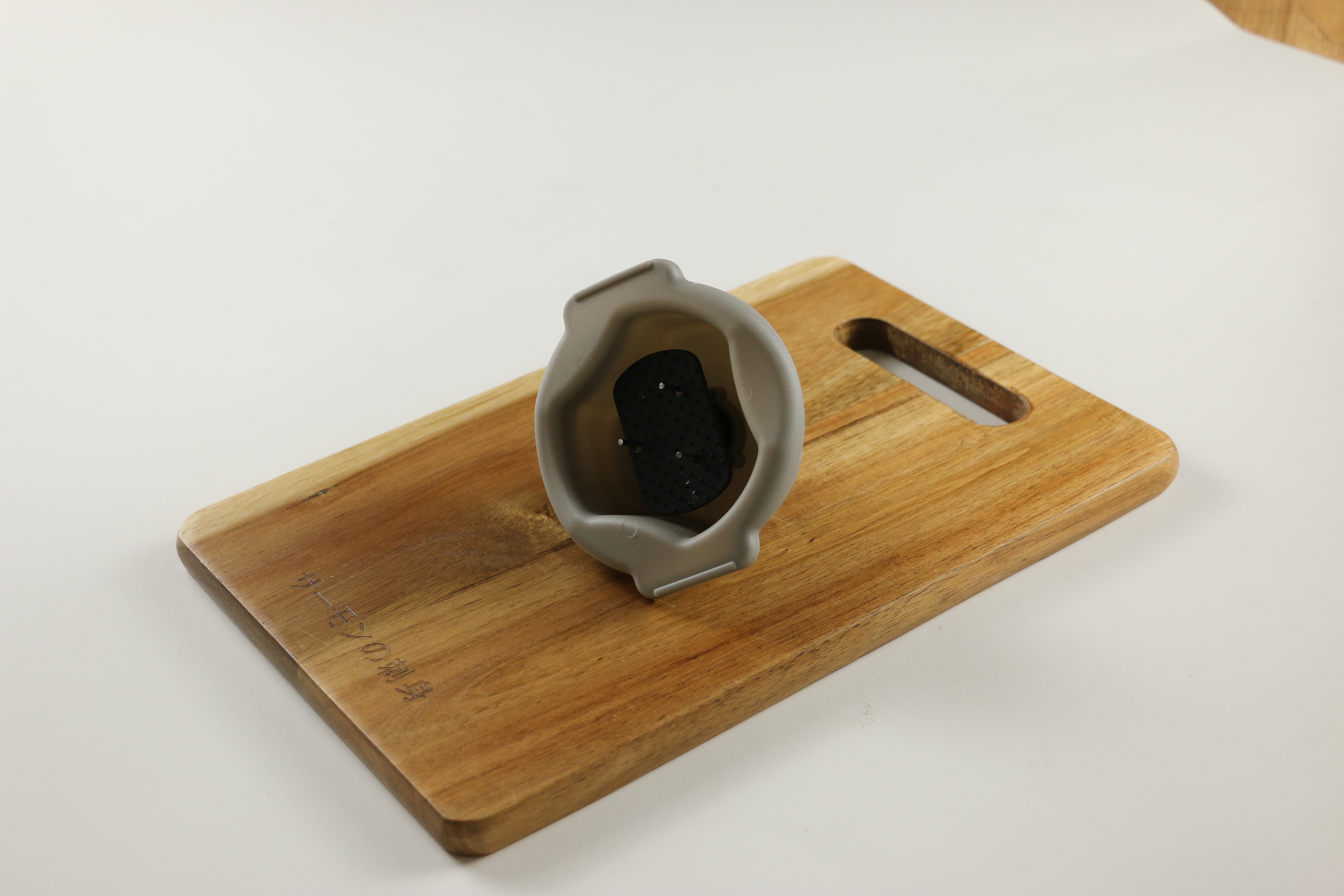
Cutting Tray Manufacturer: Your Guide to Choosing the Best
Choosing a cutting tray for retail, wholesale, or private-label programs is not only about finding a convenient kitchen item. Buyers also need to evaluate product safety, practical design, durability, packaging, and the reliability of the supplier behind it. The original idea is simple: a good cutting tray can combine a chopping surface, draining function, and slicing assistance in one compact tool. For B2B sourcing, the more important question is how to verify those claims before placing an order.
This guide explains what to look for when comparing a cutting tray manufacturer, especially for food grade draining trays and modern plastic cutting trays. It focuses on practical selection criteria rather than unsupported promises, so importers, distributors, ecommerce sellers, and kitchenware buyers can ask better questions and reduce sourcing risk.
Key Takeaways
- A useful cutting tray should support safe food preparation, easy rinsing, and efficient cleanup.
- For B2B orders, ask suppliers to confirm material, food-contact suitability, packaging, and quality control process.
- Integrated draining and slicer functions can add value, but only if they are stable, easy to clean, and suitable for your target customer.
- Do not rely on photos alone; request samples and check dimensions, surface finish, blade fit, drainage speed, and carton protection.
- Commercial terms such as MOQ, lead time, customization, and test reports should be confirmed directly with the supplier.
What a Cutting Tray Is Designed to Do
A cutting tray is more than a flat chopping board. In many kitchenware programs, it is positioned as a multi-function preparation tool that helps users wash, cut, drain, and transfer ingredients with fewer separate items. The original article highlights several useful features: a safe cutting surface, an integrated draining mechanism, and slicer options such as julienne, waffle-cut, or even slices.
These features can be attractive to home cooks because they reduce clutter and save time during vegetable and fruit preparation. For retailers and wholesalers, however, every feature should be checked for usability. A complicated accessory may look appealing online but fail if it is awkward to clean, unstable on a countertop, or difficult to store. The best product choice is the one that matches the cooking habits and price expectations of your market.
Material and Food-Contact Questions to Ask
The source content refers to food grade draining trays and modern plastic cutting trays. That is useful, but B2B buyers should not treat the phrase “food grade” as enough by itself. Ask the cutting tray manufacturer what plastic material is used, whether the product is intended for direct food contact, and what documentation can be provided for your destination market.
Important questions include: What is the exact material? Is the colorant suitable for food-contact applications? Can the supplier provide relevant test reports if required by your customer or importer? Are there temperature-use limits? Is the tray designed for dishwasher cleaning, hand washing, or both? If no written confirmation is available, avoid making safety or compliance claims in your own product listing.
Comparing Common Cutting Tray Features
Different buyers prioritize different features. A supermarket kitchenware program may prefer a simple draining tray with broad appeal, while an online seller may choose a more feature-rich model with slicer attachments. The following checklist can help organize sample evaluation.
| Feature to Check | Why It Matters | Buyer Questions |
|---|---|---|
| Cutting surface | Supports daily chopping and food preparation | Is the surface stable, large enough, and easy to rinse? |
| Integrated drainer | Allows users to wash and drain fruits or vegetables in one tool | Does water flow out smoothly without trapping food pieces? |
| Plastic body | Can be lightweight, easy to handle, and practical for storage | What material is used, and is documentation available? |
| Slicer attachments | Adds functions such as julienne, waffle-cut, or even slicing | Are blades secure, removable, and easy to clean? |
| Packaging | Affects retail presentation and shipping damage risk | Can packaging be customized, and how is the product protected? |
| Quality control | Reduces inconsistency across bulk orders | What inspections are performed before shipment? |
Safety, Stability, and Convenience
Safety should remain the first concern. A cutting tray is used with knives, wet ingredients, and sometimes removable blades. During sample testing, place the tray on a typical countertop and check whether it slides, flexes, or tips when pressure is applied. If the product includes a built-in colander or draining basket, test it with leafy vegetables, chopped fruit, and heavier produce to see whether it remains comfortable to handle.
Convenience also depends on cleaning. Corners, grooves, slicer slots, and drainage holes can collect food residue if poorly designed. For consumer-facing products, this affects reviews and repeat purchases. For B2B buyers, cleaning performance should be part of the approval process, not an afterthought.
Evaluating Slicer and Multi-Function Designs
The original article mentions adjustable slicer blades and options for julienne, waffle-cut, and even slices. These are useful selling points when they are clearly demonstrated and safe to use. However, the more parts a product has, the more questions a buyer should ask. Are the attachments securely fitted? Are replacement parts available? Is there a protective cover for sharp components? Are instructions clear enough for first-time users?
For ecommerce listings, buyers should also think about returns. A multi-function cutting tray may need clear photos, short usage videos, and accurate warnings. If the supplier provides product instructions, review the language quality and confirm whether you can adapt it for your market.
B2B Sourcing Questions for a Cutting Tray Manufacturer
When contacting a cutting tray manufacturer, do not limit the discussion to unit price. A lower price may not help if the product arrives with weak packaging, inconsistent color, unclear material information, or accessories that do not fit correctly. Prepare a short supplier questionnaire before requesting samples.
- What materials are used for the tray, drainer, handle, and slicer parts?
- Can the supplier provide food-contact documentation if required?
- What colors, packaging formats, and branding options are available?
- What are the MOQ, sample cost, lead time, and payment terms?
- How are incoming materials, in-process production, and final goods inspected?
- Can the supplier share carton dimensions, gross weight, and packing method?
- Are instruction sheets, barcode labels, or warning labels available?
These questions help separate basic traders from suppliers who understand export preparation. They also prevent you from adding unsupported claims to your own sales materials.
Sample Testing Before Bulk Orders
Before confirming a purchase order, test samples in realistic conditions. Wash the product several times, cut common ingredients, use the draining function, and try every slicer attachment included. Check for burrs, sharp plastic edges, odor, discoloration, loose parts, and water retention. If the tray is intended for gift sets or retail shelves, review the packaging after a drop-style handling simulation, without assuming it meets any formal transport standard unless tested.
It is also wise to compare at least two or three product versions. A simpler tray may be more durable and easier to explain to consumers, while a more complex tray may offer stronger online differentiation. The right choice depends on your channel, target price point, and customer expectations.
FAQ
What makes a cutting tray different from a cutting board?
A cutting tray usually combines a chopping surface with raised edges, draining areas, or accessory functions. Some versions include slicer attachments, while a standard cutting board is typically just a flat cutting surface.
Should buyers choose plastic cutting trays?
Plastic cutting trays can be lightweight, easy to handle, and convenient to store. Buyers should still confirm the exact material, intended food-contact use, cleaning guidance, and any available documentation before selling them.
Are slicer attachments necessary?
Not always. Slicer attachments can add value for users who want julienne, waffle-cut, or even slices, but they also add parts that must be safe, stable, and easy to clean. Choose them only if they match your customer needs.
What should importers ask a cutting tray manufacturer first?
Start with material details, food-contact documentation, sample availability, MOQ, lead time, packaging options, and quality control steps. These answers are more important than appearance alone.
How can retailers reduce complaints about cutting trays?
Approve samples carefully, provide clear usage instructions, avoid unsupported claims, and choose packaging that protects the tray and accessories during shipping and shelf handling.
Final Selection Advice
A well-chosen cutting tray can make food preparation cleaner and more efficient, especially when it combines a safe cutting area, integrated draining, and practical slicing options. For B2B buyers, the best result comes from balancing product appeal with verifiable details. Ask the manufacturer direct questions, test samples thoroughly, and confirm packaging and documentation before scaling up. That approach leads to a more reliable kitchenware item and a better experience for the end user.
