




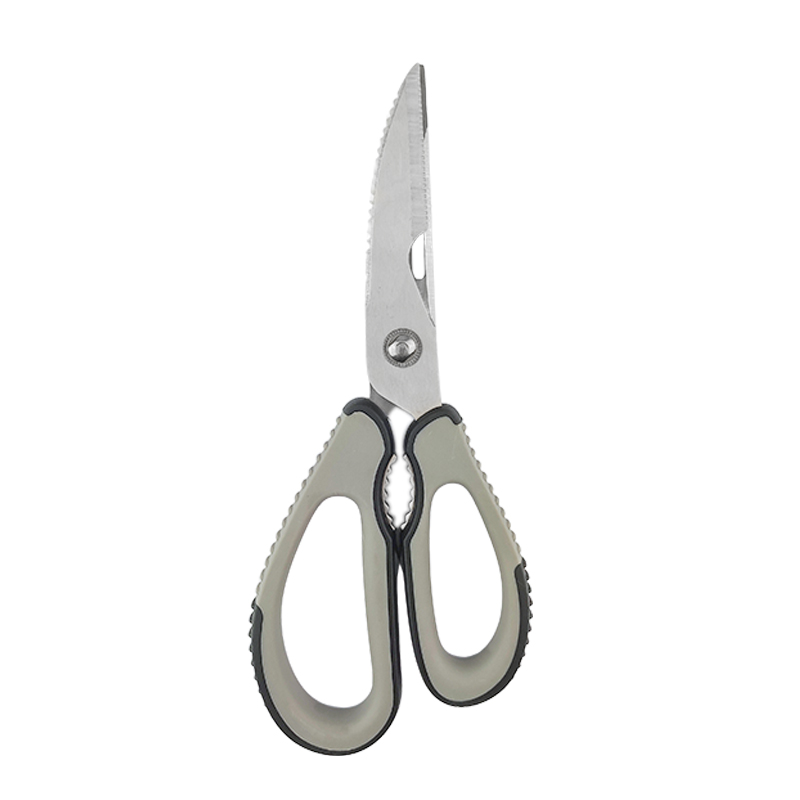
Detachable Kitchen Scissors: Multi-Purpose Utility and Precision
Detachable kitchen scissors are designed for cooks who want one compact tool for many daily cutting jobs. Unlike general household scissors, kitchen utility shears are intended for food preparation tasks such as trimming herbs, cutting poultry, opening food packaging, and handling slippery ingredients. The detachable blade design also makes cleaning easier because the two halves can be separated, allowing food residue to be removed from areas that are difficult to reach on fixed scissors.
This guide explains how to evaluate detachable kitchen scissors, when to use them, how to clean them safely, and which details matter most for long-term convenience. It is written for home cooks, small food-service teams, and buyers comparing kitchen tools for practical use rather than decorative appeal.
Key Takeaways
- Detachable blades improve access for washing and drying, which is important when cutting raw poultry, fish skin, herbs, or oily packaging.
- A serrated edge on one blade can help grip slippery surfaces such as chicken fat or fish skin.
- Comfortable, non-slip handles are important because kitchen scissors are often used with wet or greasy hands.
- Integrated extras, such as a bottle opener in the hinge, can be useful, but cutting performance and cleanability should come first.
- Always confirm material, care instructions, warranty, and dishwasher guidance with the supplier or product label before purchase.
What Makes Detachable Kitchen Scissors Different?
The main feature is the ability to separate the blades for cleaning. Standard kitchen scissors often trap moisture, fibers, and food residue around the pivot. Detachable kitchen scissors reduce that problem by allowing the user to open the tool fully and wash both sides more thoroughly. This is especially useful after cutting raw meat or sticky packaging.
The original product description highlights stainless steel blades, a serrated edge on one blade, contoured handles with dual-tone rubberized grips, a textured non-slip surface, ambidextrous handling, and an integrated bottle opener in the hinge. These are practical features, but the way they are combined matters. A good pair should feel controlled in the hand, cut cleanly without crushing food, and come apart without being loose during normal cutting.
Common Kitchen Tasks They Handle Well
Kitchen scissors are not a replacement for every knife, but they are often faster and safer for small, repetitive jobs. They can cut herbs directly over a bowl, trim poultry portions, snip bacon or cooked meat, and open sealed food bags without moving to a cutting board. When a blade includes a serrated edge, it can grip ingredients that would otherwise slide away from a smooth blade.
For best results, match the tool to the task:
- Use short, controlled cuts for herbs to avoid bruising delicate leaves.
- Cut poultry at joints or thinner sections rather than forcing the blades through thick bone.
- Rinse promptly after cutting salty, acidic, or oily foods.
- Keep kitchen scissors separate from craft or office scissors to avoid contamination.
- Dry the separated blades fully before reassembling or storing.
Comparison and Selection Checklist
Before choosing detachable kitchen scissors, compare more than the appearance. The best option depends on how often you cook, what you cut, and how you prefer to clean tools.
| Feature to Check | Why It Matters | Questions to Ask Before Buying |
|---|---|---|
| Detachable blade mechanism | Allows more thorough cleaning around the pivot and inner blade surfaces. | Does it separate easily but stay secure during cutting? |
| Stainless steel blades | Supports durability and everyday kitchen use when properly cleaned and dried. | What exact steel grade is used, and what care is recommended? |
| Serrated edge | Helps grip slippery foods such as fish skin or chicken fat. | Is the serration on one blade, and can it be sharpened or serviced? |
| Handle grip | Textured rubberized grips can improve control with damp hands. | Is the handle comfortable for your hand size and cutting style? |
| Ambidextrous design | Makes the tool more practical for shared kitchens. | Is it equally comfortable for left-handed and right-handed users? |
| Integrated bottle opener | Adds utility without requiring another tool. | Does the extra feature interfere with cleaning or handling? |
| Cleaning guidance | Incorrect washing can shorten service life. | Is it dishwasher safe, or is hand washing recommended? |
How to Use Kitchen Scissors Safely
Because kitchen scissors are compact, it can be tempting to use them for every hard cutting job. That is not always wise. Avoid twisting the blades, prying open lids, or cutting frozen food unless the product instructions say it is suitable. Excess force can loosen the hinge, damage the edge, or cause the tool to slip.
When cutting raw poultry, keep one hand clear of the cutting path and work over a stable board or tray. If the handles are wet, dry them before continuing. The original article notes contoured handles with rubberized grips and a textured surface; these details are helpful for control, but they do not replace careful handling. Store the scissors closed and out of reach of children.
Cleaning and Hygiene After Food Prep
The detachable design is most valuable after messy food preparation. Separate the blades according to the product instructions, then wash each piece with warm water and dish soap. Pay attention to the pivot area, serrations, and inside edges. Use a small brush if herbs, fat, or packaging adhesive remain in crevices.
After washing, rinse thoroughly and dry immediately with a clean towel. Leaving water on the blades or inside the hinge area can affect appearance and performance over time. If the manufacturer confirms dishwasher compatibility, place the separated pieces where they will not strike other utensils. If no dishwasher guidance is provided, hand washing is the safer default.
Maintenance and Storage Tips
Sharpness and alignment determine whether kitchen scissors feel precise or frustrating. If cuts begin to crush herbs or slide across poultry skin instead of gripping, the blades may need cleaning, drying, adjustment, or sharpening. Serrated edges require different sharpening methods from smooth edges, so check the supplier’s care instructions before using a home sharpener.
- Dry the scissors fully before storage to reduce moisture around the hinge.
- Do not store loose in a crowded drawer where the edges can hit metal tools.
- Use a sheath, utensil divider, or dedicated storage slot when available.
- Inspect the detachable joint periodically for looseness, residue, or damage.
- Replace the scissors if the blades no longer lock securely together.
Who Benefits Most from a Detachable Design?
Detachable kitchen scissors are useful for frequent home cooks, meal-prep households, and anyone who cuts raw ingredients regularly. They are also practical in shared kitchens because ambidextrous handling can make the tool easier for different users. For occasional users who only open packages, basic scissors may be enough. For cooks who handle poultry, herbs, and slippery foods often, the detachable design and serrated blade can save time and simplify cleanup.
The best purchase decision comes from balancing cutting comfort, cleaning access, blade quality, and verified care instructions. Avoid choosing only by appearance or added features. A bottle opener in the hinge is convenient, but the core value of kitchen scissors remains clean cutting and easy sanitation.
FAQ
Are detachable kitchen scissors more hygienic than fixed scissors?
They can be easier to clean because the blades separate, exposing the hinge and inner surfaces. Hygiene still depends on proper washing, rinsing, drying, and storage after each use.
Can I use them for raw poultry?
Yes, kitchen scissors are commonly used for trimming poultry, but avoid forcing them through thick bone unless the product instructions specifically allow it. Wash and dry them immediately after use.
Why is one serrated blade useful?
A serrated edge helps hold slippery surfaces such as fish skin or chicken fat, reducing sliding while cutting. This can improve control compared with two smooth blades.
Are they safe for left-handed users?
The original description notes an ambidextrous design, which is intended for both left-handed and right-handed users. If possible, test the handle comfort before buying.
Should I put detachable kitchen scissors in the dishwasher?
Only do so if the supplier or care label says they are dishwasher safe. If that information is not available, hand wash, rinse, separate, and dry the blades thoroughly.
