




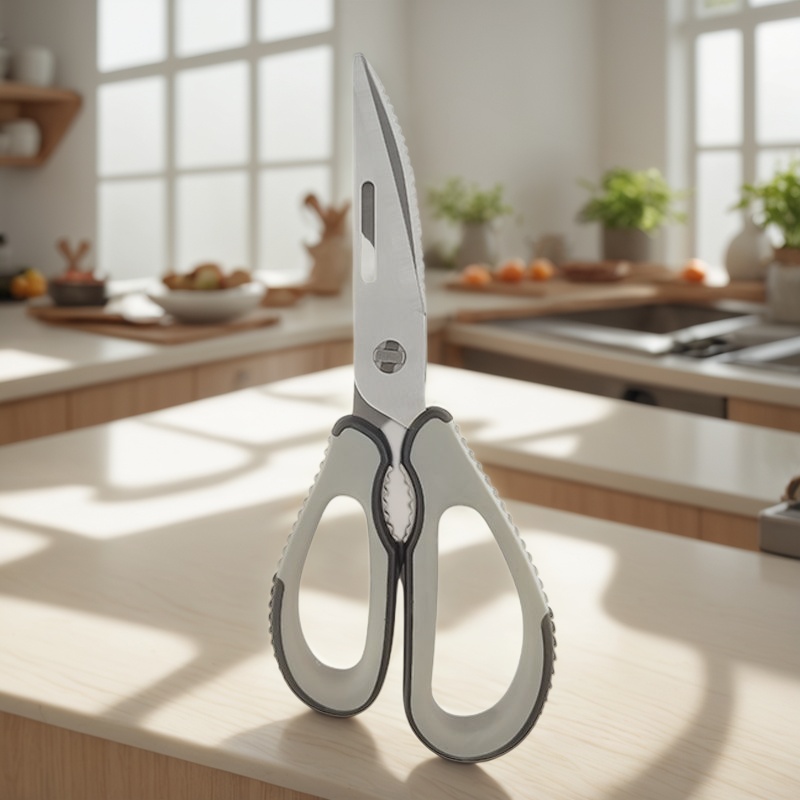
OEM Multi-Functional Kitchen Shears: Practical Sourcing Guide
Multi-functional kitchen shears are a small item with a big role in food preparation. For retailers, distributors, promotional buyers, and private-label kitchenware brands, the challenge is not simply finding scissors that cut. The real task is choosing a design that fits the intended market, is easy for consumers to clean, and can be specified clearly when discussing OEM production with a supplier.
The original article highlighted detachable kitchen shears with a multi-purpose design, ergonomic handles, a serrated cutting edge, and added functions such as a nutcracker and bottle opener. Those are useful facts to keep, but B2B buyers should evaluate them carefully instead of relying on broad claims. The right product depends on target price point, packaging channel, expected use, and the supplier's ability to explain materials, testing, customization, and production consistency.
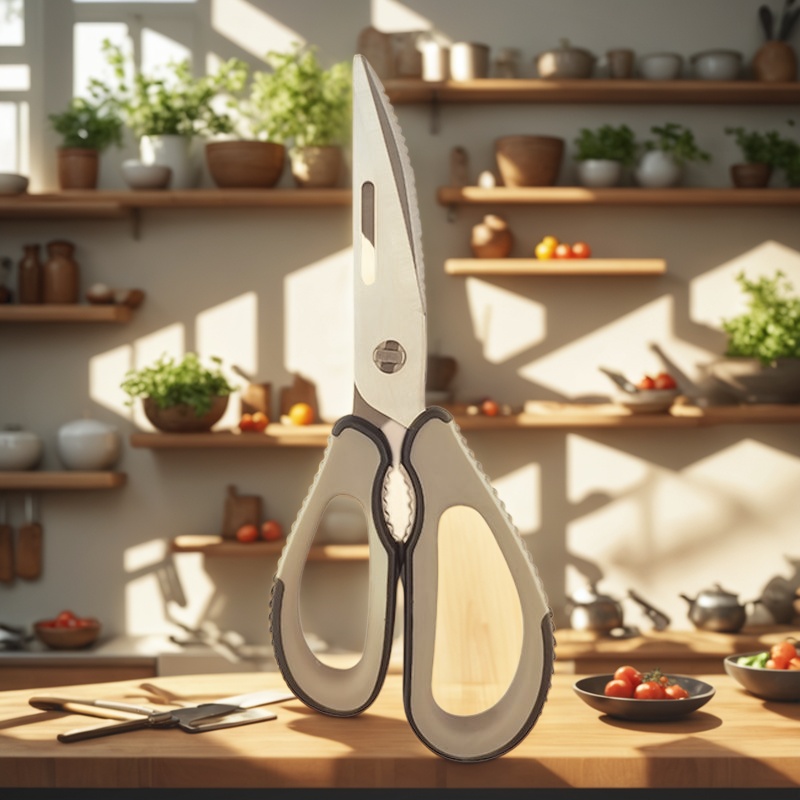
Key Takeaways
- Detachable kitchen shears are easier to clean because the two blades can be separated for access to food-contact areas.
- Multi-functional features such as a nutcracker or bottle opener can add value, but only if they match the buyer's intended retail positioning.
- For OEM sourcing, confirm blade material, handle material, surface finish, packaging, logo method, and quality inspection process before ordering.
- Avoid vague product descriptions; request samples and written specifications for every key feature.
- Kitchen shears should be evaluated for comfort, cutting performance, cleaning convenience, and long-term usability.
Why Detachable Kitchen Shears Matter
Kitchen scissors often handle foods that leave residue, including herbs, poultry, packaging, vegetables, seafood, and prepared ingredients. A detachable structure allows the user to separate the blades, making the hinge area easier to rinse and dry. This can improve everyday hygiene and reduce the chance of trapped food particles around the pivot.
For OEM buyers, the detachable mechanism should be reviewed closely. Ask how the blades separate, whether the connection feels secure during use, and whether the design is intuitive for consumers. A product that is easy to separate but unstable while cutting can create complaints. A product that is secure but difficult to detach may not deliver the cleaning benefit customers expect.
Important Product Features to Evaluate
The source article mentions stainless steel blades, a finely serrated edge, ergonomic handles with soft-grip material, and integrated nutcracker and bottle opener functions. These features can be useful, but each should be verified in supplier discussions and sample testing.
Serrated edges may help grip slippery foods or tougher surfaces, while smooth sections may be better for precise trimming. Handle comfort matters because kitchen shears are often used with wet hands or during repetitive preparation tasks. Multi-functional handle cutouts can be convenient, but they may also affect grip feel, cleaning, or packaging presentation.
When preparing an OEM inquiry, define the intended application. A home kitchen product, a restaurant supply item, a supermarket private-label tool, and a gift set accessory may require different balances of durability, appearance, packaging, and cost.
Comparison Checklist for Buyers
| Evaluation Point | What to Check | Questions to Ask the Supplier |
|---|---|---|
| Blade material | Material type, thickness, finish, and edge style | What stainless steel grade is used, and can it be listed in the specification sheet? |
| Detachable mechanism | Ease of separation, stability during cutting, and cleaning access | How is the detachable joint designed, and how is fit checked during inspection? |
| Handle design | Grip comfort, hand size suitability, and non-slip feel | What handle material is used, and are color or texture options available? |
| Extra functions | Nutcracker, bottle opener, or other integrated uses | Are these functions included in the standard model or available as customization? |
| Packaging | Retail display, e-commerce protection, labeling, and instructions | Which packaging formats can be supplied, and can private-label artwork be used? |
| Quality control | Cutting performance, assembly, surface finish, and shipment checks | What inspection steps are performed before delivery, and can reports be provided? |
OEM and Wholesale Sourcing Considerations
For wholesale or OEM kitchen tools, a clear specification sheet is more useful than a general product description. Buyers should request details on blade material, handle material, blade length, overall size, weight, finish, color options, packaging dimensions, logo placement, and carton information. If the supplier does not publish these details, ask for them directly before confirming samples.
Commercial terms should also be discussed early. Instead of assuming a standard minimum order quantity, price, or lead time, ask the supplier to confirm available order quantities, sample policy, quotation validity, production schedule, payment terms, and shipping options. If the product will be sold in a regulated market, ask what documentation the supplier can provide and whether any third-party test reports are available for the exact item and materials proposed.
Customization can include handle color, printed or engraved logo, packaging design, instruction sheets, barcode labels, and bundled kitchen tool sets. However, each change can affect cost, lead time, and inspection requirements. Keep the first inquiry specific: share the target market, estimated order volume, retail channel, required packaging style, and any compliance expectations.
Sample Testing Before Bulk Orders
Samples should be tested in realistic conditions. Use the shears on common kitchen tasks such as cutting herbs, opening food packaging, trimming vegetables, and handling poultry or similar dense foods if that is part of the product positioning. Check whether the serrated edge grips cleanly, whether the blades align well, and whether the handles remain comfortable.
Cleaning tests are equally important. Detach the blades, wash the hinge area, dry the parts, and reassemble them several times. Look for sharp burrs, loose movement, rust concerns, trapped residue, or difficulty reconnecting the blades. If the supplier says the shears are suitable for dishwasher cleaning, ask for confirmation in writing and request care instructions that can be included with the product.
How to Position Multi-Functional Shears for Retail
Retail positioning should be based on practical use rather than exaggerated promises. Detachable shears can be described as easier to clean. A serrated blade can be described as helpful for gripping certain foods. Integrated tools such as a nutcracker or bottle opener can be presented as secondary functions, not as replacements for every kitchen tool.
For e-commerce listings, include clear photos showing the open blades, separated parts, handle shape, and any built-in functions. For physical retail, packaging should quickly explain the detachable design and cleaning benefit. If selling under a private label, avoid claims that have not been verified, such as professional-grade performance, special certifications, or exact material grades, unless documentation supports them.
Practical Care and Use Guidance
- Separate the blades only according to the intended hinge direction to avoid damaging the joint.
- Wash food-contact surfaces promptly after use, especially after cutting meat, seafood, or oily ingredients.
- Dry the blades and hinge area before storage to help maintain the finish.
- Use the nutcracker or bottle opener only as designed; avoid twisting the blades as a pry tool.
- Store the shears safely away from children and protect the cutting edge from impact.
FAQ
Are detachable kitchen shears better than fixed kitchen shears?
They are often easier to clean because the blades can be separated, especially around the hinge. Fixed shears may feel simpler to some users, so the best choice depends on the target customer and use case.
What should an OEM buyer ask before ordering?
Ask for the full specification sheet, available customization options, sample cost, minimum order quantity, production lead time, packaging choices, inspection process, and any available material or product documentation.
Can multi-functional kitchen shears replace several tools?
They can reduce the need for some small tasks, such as opening bottles or cracking certain nuts when those functions are built in. However, they should be marketed as convenient kitchen shears, not as a complete replacement for all tools.
How can buyers verify quality?
Start with samples, test real cutting tasks, check the detachable joint, review surface finish, and request written confirmation of materials and inspection standards. For larger orders, consider pre-shipment inspection.
Should dishwasher cleaning be advertised?
Only advertise dishwasher suitability if the supplier confirms it for the exact product and materials. If not confirmed, recommend hand washing, thorough rinsing, and complete drying after use.
Final Thoughts
OEM multi-functional kitchen shears can be a practical product for private-label and wholesale kitchenware programs when the design is specified carefully. The most important sourcing step is to move from general claims to verifiable details: blade material, detachable structure, handle comfort, added functions, packaging, and quality control. With clear questions and sample testing, buyers can select kitchen shears that are easier to explain, easier to use, and better aligned with their market.
