




Detachable Kitchen Shears: A Practical Guide for Buyers
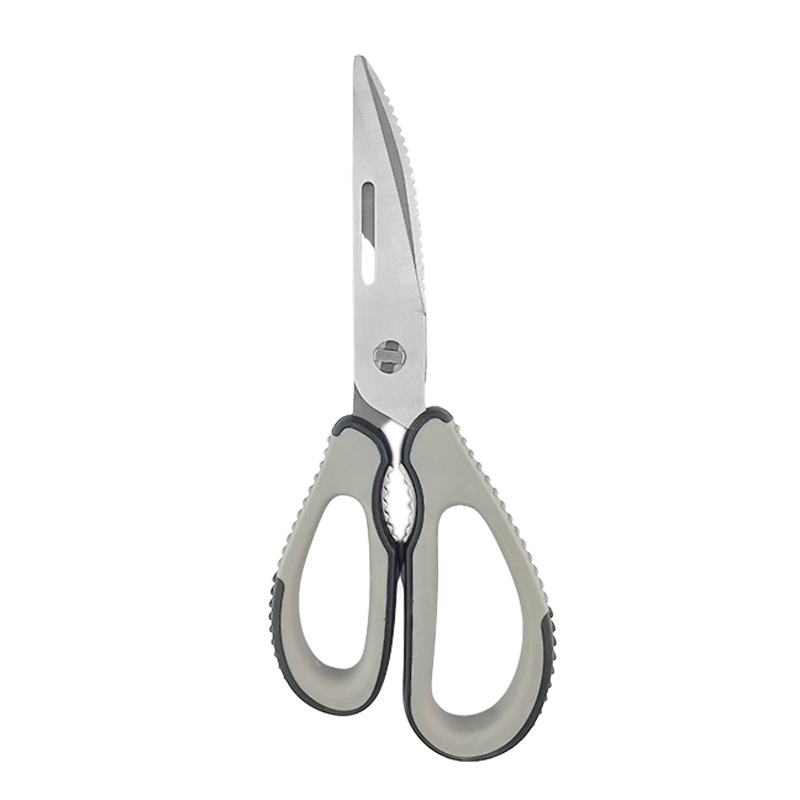
Detachable kitchen shears are designed to do more than cut paper or open packaging. In a busy home kitchen, restaurant prep area, or retail houseware assortment, they can support everyday food preparation tasks such as trimming poultry, snipping herbs, cutting vegetables, portioning cooked foods, and handling seafood. The detachable design also addresses one of the biggest concerns with kitchen scissors: cleaning around the pivot area.
The original product article highlighted a pair of multi-functional detachable kitchen shears with sharp blades, a micro-serrated edge, ergonomic non-slip handles, and built-in functions such as a bottle opener, nutcracker, and fish scaler. Those features can be useful, but buyers should evaluate them carefully in relation to real cooking habits, hygiene expectations, and sourcing requirements.
Key Takeaways
- Detachable blades make kitchen shears easier to wash and inspect after cutting meat, herbs, or seafood.
- A micro-serrated edge can help grip slippery foods such as poultry skin, but it should still be tested for cutting comfort and control.
- Built-in functions like a bottle opener, nutcracker, and fish scaler add convenience only if they are comfortable and durable in actual use.
- Wholesale and OEM buyers should ask suppliers about materials, packaging, inspection standards, replacement policy, and customization limits before ordering.
What Makes Detachable Kitchen Shears Different?
Standard kitchen scissors are often fixed at the pivot, which can trap moisture, oil, meat juices, or small food particles. Detachable kitchen shears separate into two blade halves, allowing users to clean the joint area more thoroughly. This is especially important when the shears are used for raw poultry, fish, or heavily seasoned foods.
For consumers, the benefit is simple: easier washing and less guesswork about hidden residue. For retailers and distributors, the benefit is a clear product story that can be explained on packaging, product pages, or in-store displays. However, the detachable mechanism should feel secure during cutting. A pair that separates too easily during use can create frustration or safety concerns, so buyers should request samples and test repeated opening, closing, and separating.
Core Features to Evaluate Before Buying
The original product description mentions several practical features. Each one should be reviewed based on performance, not only appearance.
- Sharp blades: Kitchen shears should cut cleanly through herbs, food packaging, cooked meats, and poultry joints where appropriate. A sharp blade reduces crushing and tearing.
- Micro-serrated edge: A serrated section can improve grip on slippery surfaces, helping prevent food from sliding away while cutting.
- Ergonomic non-slip handle: Handles should feel stable with dry or slightly wet hands and should not create pressure points during repetitive cutting.
- Detachable structure: The two halves should separate for cleaning but remain stable during normal use.
- Built-in tools: Bottle opener, nutcracker, and fish scaler functions can reduce the need for extra tools, but they should not weaken the handle or make it uncomfortable.
Common Kitchen Uses
Detachable kitchen shears are useful for tasks where a knife and cutting board may be less convenient. They can be used to snip chives, parsley, scallions, dried chilies, or kitchen twine. They are also helpful for cutting cooked noodles, trimming fat, opening food bags, and portioning smaller ingredients directly over a bowl or pan.
For poultry preparation, kitchen shears may help cut through skin and smaller bones, depending on the blade design and user technique. Users should avoid forcing the tool beyond its intended strength. If a task requires heavy chopping or bone splitting, a cleaver or dedicated poultry shear may be more appropriate.
Cleaning and Care Guidance
Good cleaning habits matter because kitchen shears often contact raw proteins and strong-smelling ingredients. After each use, separate the blades if the design allows it, rinse away visible food residue, wash with warm water and dish soap, and dry thoroughly before storage. Pay close attention to the pivot area, handle grooves, and any built-in tool sections where food residue may collect.
Users should follow the supplier’s care instructions regarding dishwasher use, if provided. Even when a product can be placed in a dishwasher, hand drying is still important to reduce water spots, odors, and long-term wear. Store the shears in a dry drawer, knife block, sheath, or utensil holder where the blade edges are protected from impact.
Comparison Checklist for Product Selection
| Selection Point | What to Check | Why It Matters |
|---|---|---|
| Blade separation | Does the tool detach smoothly but stay secure during cutting? | Improves cleaning while supporting safe operation. |
| Cutting edge | Is one blade micro-serrated, and does it grip food well? | Helps control slippery ingredients such as poultry skin. |
| Handle comfort | Are the handles non-slip and comfortable for different hand sizes? | Reduces fatigue during repeated prep work. |
| Built-in tools | Are the bottle opener, nutcracker, and fish scaler practical to use? | Adds value only if the functions are usable and durable. |
| Cleaning access | Are there hidden gaps where food can collect? | Supports better hygiene and easier maintenance. |
| Supplier information | Can the supplier answer questions about materials, packaging, inspection, and customization? | Helps B2B buyers reduce sourcing risk. |
B2B Sourcing Guidance for Wholesale and OEM Buyers
For importers, distributors, supermarket buyers, and private-label houseware brands, detachable kitchen shears should be evaluated as both a functional tool and a retail product. A sample may look appealing online, but bulk purchasing decisions should be based on repeatable quality and clear supplier communication.
Before placing a wholesale or OEM order, ask the supplier practical questions such as:
- What material is used for the blades and handles, and can the supplier provide documentation if required by your market?
- How is blade sharpness checked during production?
- What inspection steps are used for the detachable pivot mechanism?
- Can packaging be customized for retail, e-commerce, or promotional channels?
- What are the available color, logo, and labeling options?
- What is the supplier’s process for confirming pre-production samples?
- How are cartons packed to protect blade edges and handles during transport?
- What after-sales process applies if defects are found after delivery?
A reliable kitchen tools supplier should be willing to discuss these points clearly. If the product is intended for food-contact use in a specific market, buyers should verify applicable requirements independently and request relevant documents rather than assuming compliance from a product description.
How Retailers Can Position Detachable Kitchen Shears
Retailers should avoid describing the product with exaggerated claims. Instead, focus on understandable benefits: detachable cleaning, controlled cutting, multi-use preparation, and space-saving utility. Product pages can show use cases such as trimming herbs, cutting poultry skin, opening bottles, cracking nuts, or scaling fish if those functions are part of the design.
Clear usage photos, care instructions, and safety notes can reduce customer confusion. If selling online, include close-up images of the detachable joint, blade edge, handle shape, and built-in tools. If selling in-store, packaging should quickly explain how the shears separate and how they should be cleaned after food prep.
Safety and Practical Use Tips
Kitchen shears are sharp tools and should be handled with the same care as knives. Cut on stable surfaces, keep fingers away from the blade path, and avoid using the shears for hard materials unless the supplier confirms that the tool is designed for that task. Do not twist the blades aggressively when cutting through dense foods, because twisting can damage the pivot or cutting edge.
For households with children, store the shears out of reach or inside a protected drawer. For commercial kitchens, assign cleaning procedures so the tool is washed and dried immediately after use with raw meat or fish.
FAQ
Are detachable kitchen shears better than regular kitchen scissors?
They are not automatically better for every user, but they are easier to clean around the pivot area. This makes them practical for food preparation tasks involving meat, seafood, herbs, or sticky ingredients.
Can these shears replace a chef’s knife?
No. They are a complementary tool. Shears are useful for snipping, trimming, and portioning, while knives remain better for slicing, chopping, and precise board work.
Why is a micro-serrated blade useful?
A micro-serrated edge can help hold slippery foods in place while cutting. This may improve control when working with poultry skin, herbs, or smooth packaging.
What should OEM buyers confirm before ordering?
OEM buyers should confirm material details, logo options, packaging requirements, sample approval steps, inspection standards, lead time, and the process for handling quality issues.
How should detachable kitchen shears be cleaned?
Separate the blades, wash with warm water and dish soap, rinse thoroughly, and dry completely before storage. Always follow the supplier’s specific care instructions.
