




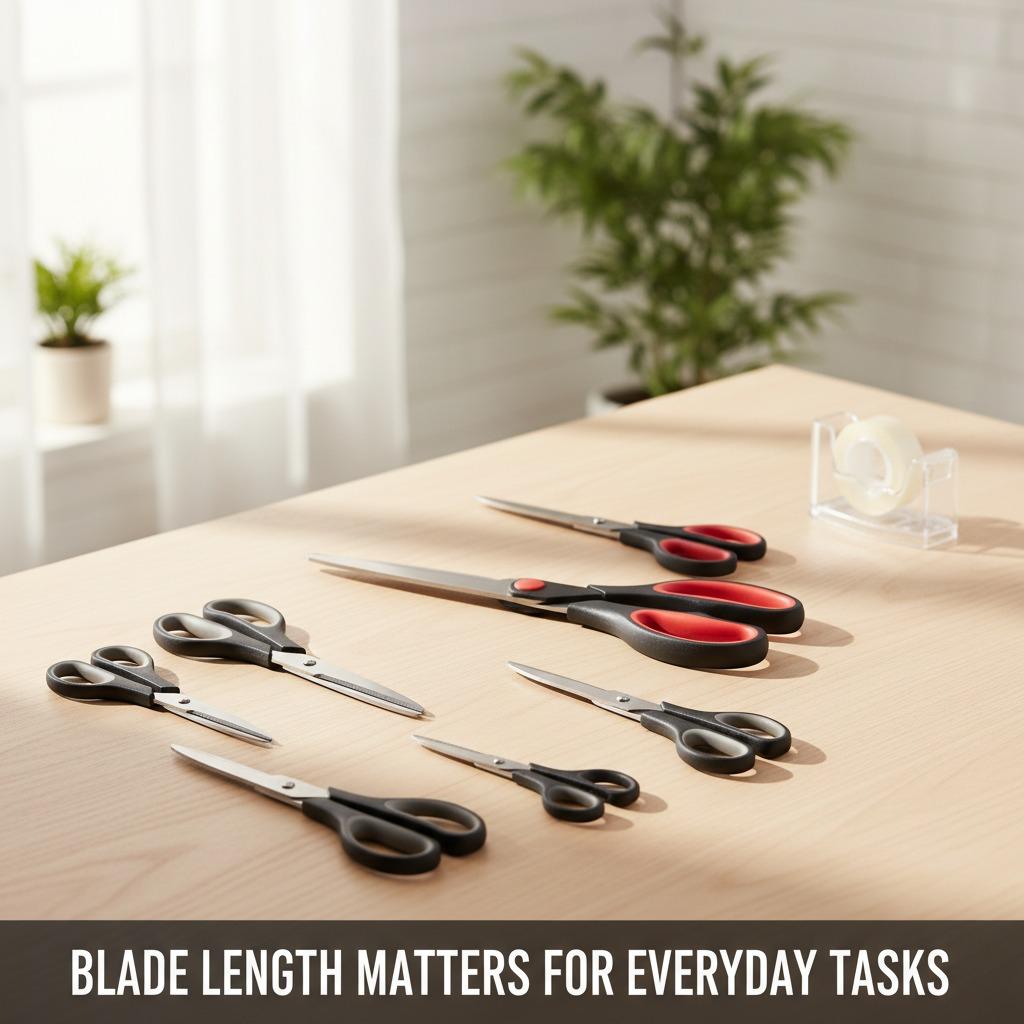
Determining the Ideal Blade Length for Various Household Projects
Choosing the right pair of household scissors is not only about sharpness. Blade length affects how much control you have, how easily the scissors move through material, and whether the tool feels safe and comfortable during repeated use. A pair that works well for cutting herbs may feel too short for fabric, while a long utility pair can be awkward for paper details or small craft work.
This guide explains how to match scissor blade length to common household projects, including kitchen use, crafting, sewing, plant care, package opening, and light repair tasks. It also covers selection and care tips so you can build a practical home scissor set instead of relying on one overworked pair for everything.
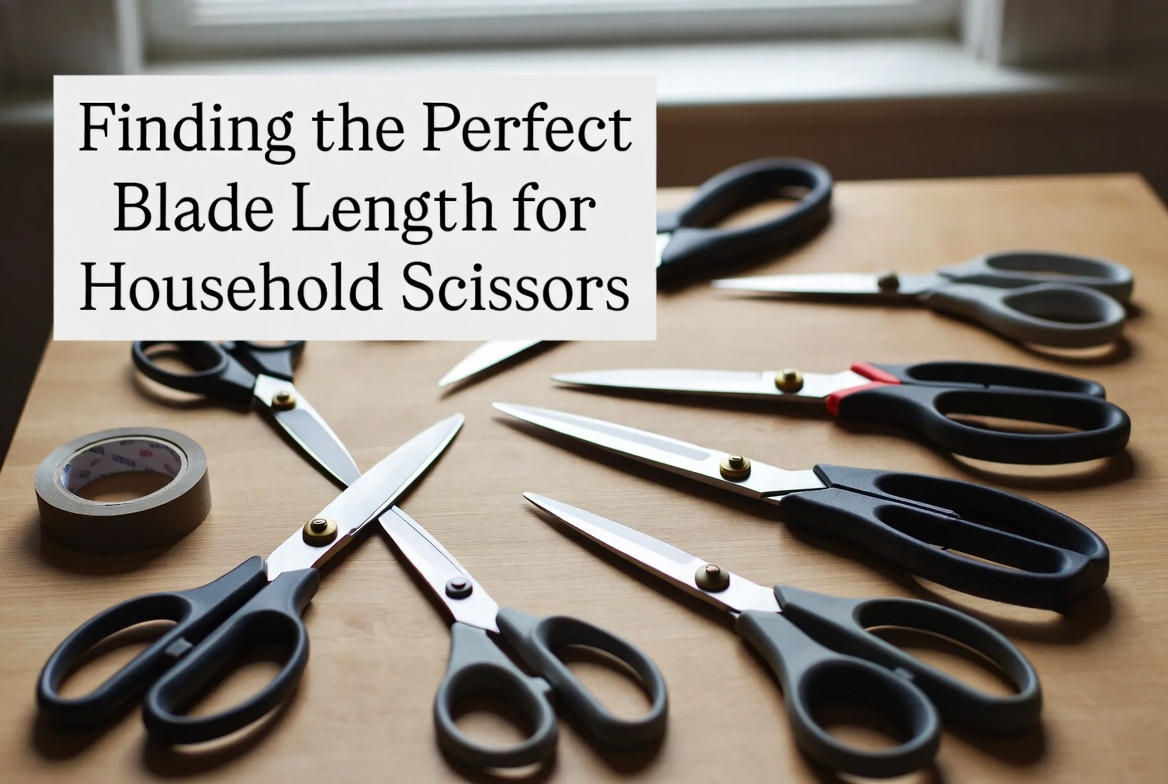
Key Takeaways
- Short blades under 4 inches are best for detailed control, tight curves, and small materials.
- Medium blades from 4 to 6 inches cover many everyday tasks, including kitchen prep, packaging, and light plant trimming.
- Long blades over 6 inches provide better leverage and longer straight cuts, especially on fabric, cardboard, or thicker materials.
- Blade length should be considered together with handle comfort, blade strength, weight, and whether the scissors are designed for the material being cut.
- Most homes benefit from more than one pair: one precision pair, one general-purpose pair, and one longer or heavier-duty pair.
Why Blade Length Matters in Household Scissors
Blade length changes three important things: leverage, visibility, and maneuverability. Longer blades can cut more material with each closing motion, which is useful for straight lines and thicker items. However, they can reduce control when you need to turn sharply or trim in a tight area. Short blades offer better visibility at the cutting point, making them suitable for detail work, but they can feel slow or underpowered on tougher materials.
Medium-length blades are often the most versatile because they balance cutting power with control. For many household users, a 4 to 6 inch blade range handles everyday jobs such as snipping tags, cutting tape, opening bags, trimming string, and light kitchen work. Still, the best choice depends on the project rather than a single universal length.
Blade Length Comparison by Household Project
Use the table below as a practical starting point. The recommended ranges are general guidance; the final choice should also consider hand size, comfort, blade thickness, and whether the scissors are intended for food, fabric, paper, or tougher utility tasks.
| Household project | Recommended blade length | Why it works | Useful selection check |
|---|---|---|---|
| Precision crafting and paper details | 2.5–4 inches | Short blades allow tight turns and fine control | Check that tips meet cleanly and feel easy to guide |
| Kitchen tasks such as herbs and packages | 4–5.5 inches | Good balance of control and cutting reach | Ask whether the scissors are suitable for food-contact use and easy cleaning |
| Sewing and fabric cutting | 5–8 inches | Longer blades help create smoother straight cuts | Keep fabric scissors dedicated to fabric only |
| Houseplants, stems, and twine | 4–6 inches | Enough strength for small stems without too much bulk | Avoid delicate craft scissors for outdoor or plant work |
| General home use and packaging | 5–7 inches | Versatile for tape, labels, light cardboard, and bags | Confirm the scissors are designed for the material thickness |
| Thicker cardboard or plastic packaging | 6 inches or longer | More leverage reduces effort on tougher cuts | Do not cut wire or hard plastic unless the tool is designed for it |
Best Blade Lengths for Kitchen Tasks
Kitchen scissors often handle slippery, flexible, or awkward materials: herbs, food bags, parchment, twine, and packaging. A medium blade length of about 4 to 5.5 inches is usually easier to control than a very long blade. It gives enough cutting surface for repeated snips while still feeling manageable in a crowded kitchen workspace.
If scissors will be used around food, separate them from craft or utility scissors. Buyers should look for clear supplier information about intended use, cleaning instructions, and whether the product is suitable for kitchen applications. Do not assume every household scissor is designed for direct food preparation.
Best Blade Lengths for Crafting, Paper, and Scrapbooking
For craft work, control matters more than leverage. Short blades in the 2.5 to 4 inch range are useful for curves, corners, small labels, thread ends, and decorative paper pieces. The shorter cutting edge helps you see exactly where the cut begins and ends.
For long straight cuts in wrapping paper or poster board, however, a medium pair may be more efficient. Many crafters keep both: a short precision pair for detail work and a medium pair for routine cutting. To reduce tearing, avoid using dull scissors and do not use paper scissors on sticky tape or hard plastic packaging unless you are prepared to clean the blades afterward.
Best Blade Lengths for Fabric and Sewing Projects
Fabric cutting is different from paper cutting because the material can shift, stretch, or bunch. Medium to long blades, typically 5 to 8 inches, help make smoother continuous cuts through fabric. A longer blade reduces the number of open-and-close motions, which can improve line consistency.
It is important to keep fabric scissors dedicated to fabric. Cutting paper, cardboard, tape, or plastic can dull the edge and make later fabric cuts ragged. If you sew regularly, consider keeping a clearly labeled pair for fabric and a separate pair for patterns, paper, or packaging.
Best Blade Lengths for Plant Care and Light Garden Use
For trimming houseplants, cutting twine, or snipping small stems, a sturdy medium blade in the 4 to 6 inch range is practical. It provides better leverage than a tiny craft scissor but remains easier to control around leaves and pots than a long utility pair.
Do not use delicate scissors for woody stems, wire, or thick garden materials. If a task requires force, switch to a tool designed for pruning or heavy-duty cutting. After plant use, wipe the blades clean and dry them before storage, especially if they have been exposed to moisture or sap.
How to Choose a Practical Home Scissor Set
Instead of searching for one pair to do everything, build a small set around your most common tasks. A practical household setup can include:
- A short precision pair for crafts, labels, thread, and small paper details.
- A medium all-purpose pair for everyday home use, packaging, and general cutting.
- A longer or stronger pair for fabric, cardboard, or tougher materials when appropriate.
When comparing household scissors, hold the tool if possible and check how it opens and closes. The blades should align cleanly, the pivot should not feel loose, and the handle should not pinch your fingers. For online purchasing, review product descriptions carefully and ask the supplier which tasks the scissors are intended to handle.
Care and Safety Tips for Longer Scissor Life
Even a good pair of scissors will perform poorly if it is misused or poorly stored. Keep scissors dry, wipe away adhesive residue, and avoid cutting materials beyond the tool’s intended use. If the blades become dull, use an appropriate scissor sharpener or professional sharpening service rather than forcing cuts.
- Store scissors closed to protect the tips and reduce injury risk.
- Keep kitchen, craft, plant, and fabric scissors separate when possible.
- Clean sticky residue after cutting tape or labels.
- Dry blades after kitchen or plant use.
- Keep scissors out of reach of young children.
FAQ
What is the most versatile blade length for household scissors?
A medium blade length of about 4 to 6 inches is the most versatile for general home tasks. It balances control and cutting power for packaging, kitchen jobs, tags, string, and light DIY use.
Are longer scissors always better for thick materials?
Not always. Longer blades provide more leverage, but the scissors must also be designed for the material. Do not cut wire, hard plastic, or very thick cardboard unless the tool is specifically intended for that use.
Why should fabric scissors be kept separate?
Paper, tape, and packaging can dull or dirty the blades. Dedicated fabric scissors help keep cuts clean and reduce fraying or snagging during sewing projects.
Can kitchen scissors be used for crafts?
They can cut many craft materials, but it is better to keep kitchen scissors separate for hygiene and blade care. Craft adhesives, glitter, tape, and paper dust can leave residue that is not ideal for kitchen use.
How many pairs of household scissors does a home need?
Many households can manage well with two or three pairs: a short precision pair, a medium general-purpose pair, and a longer or stronger pair for fabric or tougher cutting tasks.
Final Thoughts
The ideal blade length for household scissors depends on what you cut most often. Short blades give precision, medium blades handle daily jobs, and long blades add leverage for straight cuts or heavier materials. By matching blade length to the task and caring for each pair properly, you can make household cutting safer, cleaner, and less frustrating.
