




Custom Office Scissors China: Practical Sourcing Guide for Buyers
Custom office scissors are small products, but they can affect how a stationery line, office supply program, promotional kit, or retail assortment is perceived. Buyers looking for custom office scissors from China usually want more than a low unit cost. They need consistent cutting performance, comfortable handling, reliable packaging, and clear answers from the supplier before placing an order.
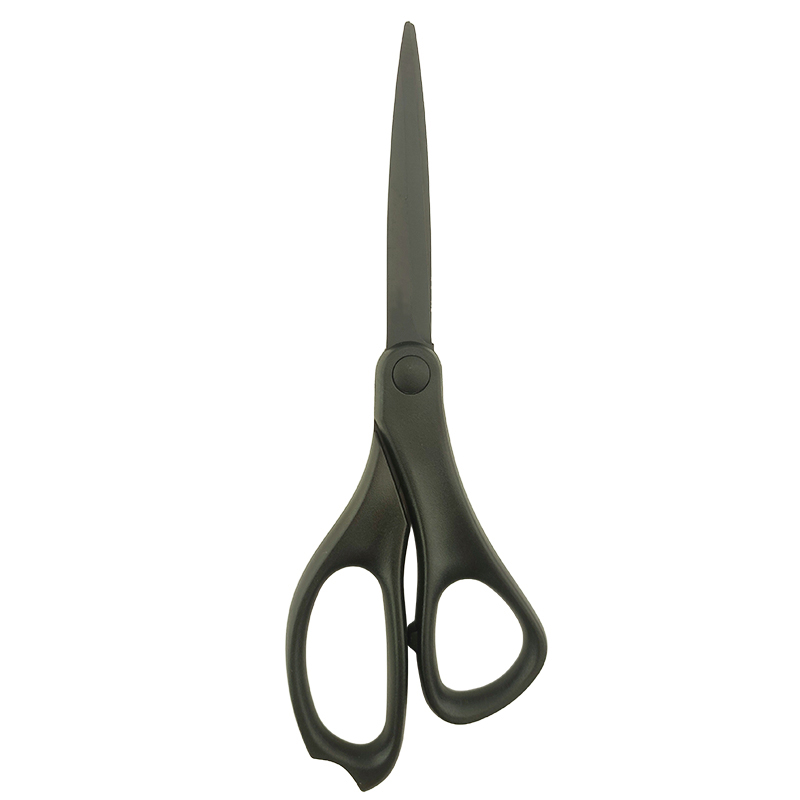
The original product description highlights titanium-coated precision scissors with copper-finished blades and lavender ergonomic plastic handles. It also notes everyday office use, craftwork, and the ability to cut paper, fabric, and thin plastics. Those are useful starting points, but sourcing decisions should go further. A professional buyer should confirm materials, finishing, sample performance, packaging details, customization options, and inspection standards directly with the manufacturer or trading partner.
Key Takeaways
- Custom office scissors should be evaluated for cutting performance, handle comfort, finish quality, and packaging consistency.
- Titanium-coated blades and ergonomic plastic handles can be attractive features, but buyers should ask suppliers to confirm exact specifications.
- For OEM or wholesale orders, clarify branding methods, carton details, lead times, sample rules, and inspection criteria before production.
- Do not rely only on product photos; test samples on the actual materials your customers are likely to cut.
What Buyers Should Look for in Office Scissors
Office scissors are used for repetitive, practical tasks: opening mailers, trimming documents, cutting labels, preparing displays, and supporting light craft work. Because the product is handled often, buyers should consider both blade performance and user comfort. A pair that looks appealing but feels awkward will not perform well in daily use.
Start with the cutting requirement. Are the scissors intended mainly for paper, packaging tape, thin card, fabric, or general desk use? The original article mentions paper, fabric, and thin plastics, so these are reasonable materials to include in a sample test. If your market needs heavier-duty cutting, ask whether the supplier offers alternative blade thicknesses or product lines designed for tougher materials.
Next, review handle design. The source describes lavender handles made from soft yet sturdy plastic, with an ergonomic shape and lightweight build. These details matter for comfort, especially in offices, schools, studios, and packing stations where scissors may be used many times per day. Ask for handle dimensions, right-hand or left-hand suitability, and whether the grip material changes by color or model.
Understanding Blade Finish and Durability Claims
The original description refers to copper-finished blades coated in titanium, and says titanium is known for strength and corrosion resistance. This can be a useful selling point, but B2B buyers should verify what the coating means in practice. Ask whether the coating is decorative, functional, or both. Request details on the base blade material, coating process, and expected resistance to wear under normal office use.
A clean cut is not only about sharpness on day one. Buyers should check how the scissors perform after repeated cutting. During sample evaluation, cut several sheets of office paper, adhesive labels, packaging film, and the thin plastics relevant to your use case. Note whether the blades snag, bend material, leave rough edges, or loosen at the pivot.
If a supplier makes durability claims, ask how they support them. Without documented test results, it is safer to describe the product in moderate language, such as titanium-coated blades for smooth office cutting, rather than making broad claims about lifespan. For catalog, marketplace, or tender listings, keep claims consistent with what the supplier can document.
Customization Options to Confirm Before Ordering
When sourcing custom office scissors from China, customization can involve the handle color, printed logo, blade finish, packaging, barcode labeling, or assortment plan. The original product uses a lavender handle and copper-finished blades, which can help create a recognizable look. However, if your brand needs a specific color, do not assume that photos match your required shade.
Ask the supplier how they match colors. Can they work with Pantone references? Will the final color vary between production batches? Is there a minimum order requirement for custom handle colors or private-label packaging? These questions are important because color and finish are often central to stationery branding.
Logo placement is another key point. A small office scissor has limited branding space, so confirm whether the logo can be printed, pad printed, engraved, or added to packaging only. Request artwork guidelines and a pre-production sample before approving mass production. If the product will be sold in retail, confirm whether packaging can include hanging holes, safety warnings, country-of-origin marking, SKU labels, and any importer information required by your market.
Comparison Checklist for Supplier Evaluation
Use a structured checklist when comparing suppliers. The goal is not only to find a product that looks good, but to reduce production and delivery risk.
| Evaluation Area | What to Check | Questions to Ask |
|---|---|---|
| Blade and finish | Coating appearance, sharpness, pivot alignment, edge consistency | What is the base blade material? Is the titanium coating decorative or functional? |
| Handle comfort | Grip shape, plastic feel, weight, finger opening size | Is the handle suitable for frequent office use? Are left-hand options available? |
| Cutting performance | Paper, fabric, labels, and thin plastics relevant to your market | Can samples be tested before order confirmation? |
| Customization | Handle color, logo method, packaging, barcode, assortment | What are the MOQ, sample cost, artwork rules, and approval process? |
| Quality control | Visual defects, blade looseness, rust spots, packaging damage | What inspection standard will be used before shipment? |
Sample Testing and Quality Control
Before placing a wholesale or OEM order, request production-representative samples. A showroom sample may not reflect the final mass-produced item, especially if custom colors, packaging, or branding are involved. Ask whether the sample uses the same blade finish, handle material, screw or rivet system, and packaging planned for production.
For a basic office scissors inspection, buyers can create a simple test plan. Check the opening and closing action, blade alignment, handle molding quality, printed logo position, packaging seal, and carton labeling. Test cutting on the intended materials and record any sticking, uneven cutting, or handle discomfort. If the scissors will be included in school, office, or promotional kits, also test how they fit into the final kit packaging.
For larger orders, consider a pre-shipment inspection. The inspection criteria should be agreed in advance, including acceptable defect levels, carton quantity checks, packaging condition, and function testing. If the buyer requires compliance documentation for a specific market, ask the supplier which documents they can provide and verify whether those documents apply to the exact product model being ordered.
Packaging, Logistics, and Commercial Questions
Packaging can influence both product protection and retail presentation. Office scissors may be packed in polybags, blister cards, paper cards, boxes, or custom retail packaging, depending on the channel. For e-commerce, packaging should reduce movement and protect blade tips. For retail, the pack should display the product clearly and carry required product information.
Commercial details should be confirmed early. Ask about minimum order quantity, sample lead time, production lead time, payment terms, shipping carton dimensions, gross weight, and available trade terms. Do not assume the supplier can meet a launch deadline until these details are confirmed in writing.
Buyers should also clarify replacement or defect handling. If a shipment contains loose pivots, scratched finishes, mismatched handle colors, or damaged packaging, what process will the supplier follow? Agreeing on these points before production helps avoid disputes later.
Practical FAQ
Are titanium-coated office scissors always better than standard scissors?
Not automatically. Titanium coating can be a valuable feature, but performance depends on blade material, edge grinding, pivot quality, and overall construction. Test samples rather than relying only on coating claims.
Can I customize the lavender handle color?
Possibly, but it depends on the supplier. Ask whether custom colors are available, what color reference system they use, and whether there is a minimum order quantity for custom plastic handles.
What should I include in a sample test?
Test the scissors on the materials your customers will cut, such as office paper, labels, fabric, and thin plastics. Also check comfort, blade alignment, opening action, finish quality, and packaging.
What information should I request from a China office scissors supplier?
Ask for product specifications, customization options, MOQ, sample policy, lead time, packaging choices, quality control process, inspection standards, and any documents required for your sales market.
How can I avoid overclaiming in product listings?
Use only claims that the supplier can support. If durability, corrosion resistance, or special coating performance is important, request documentation or test results before including strong claims in marketing copy.
