




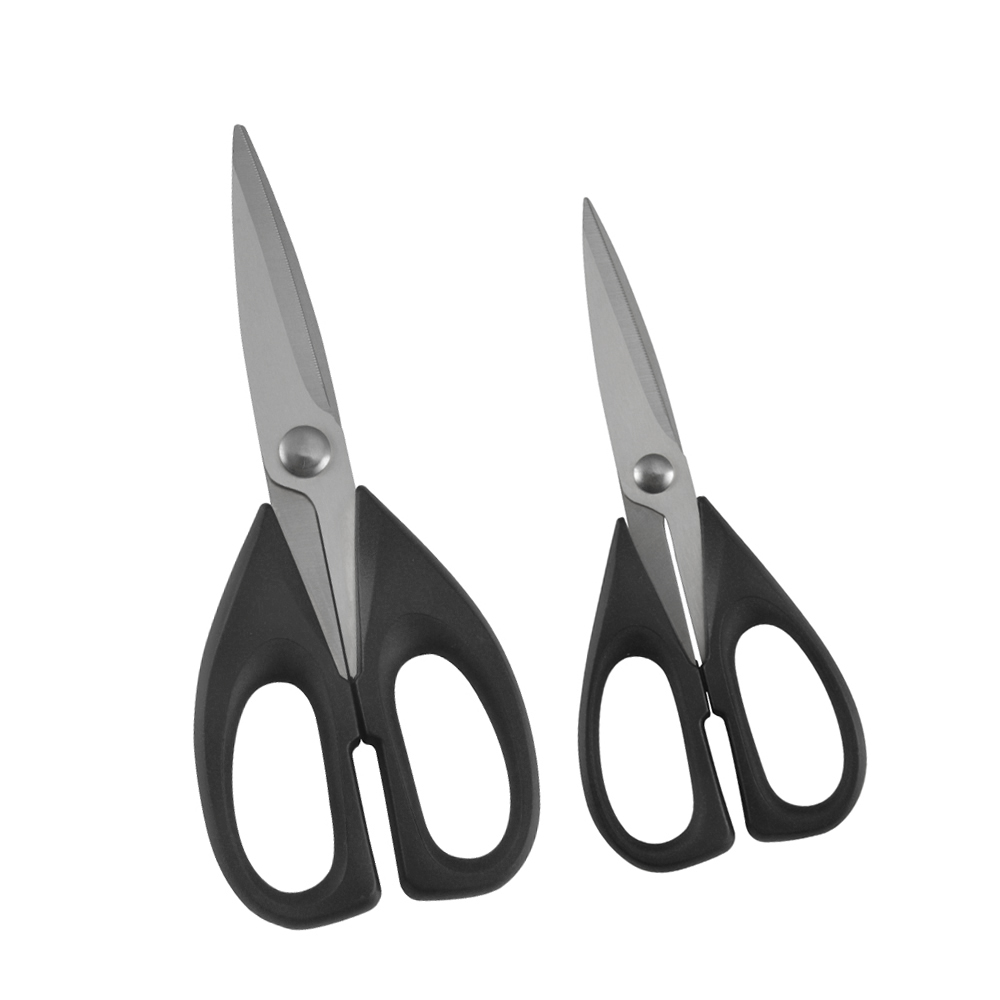
Discover Durable OEM Kitchen Scissors for Efficiency
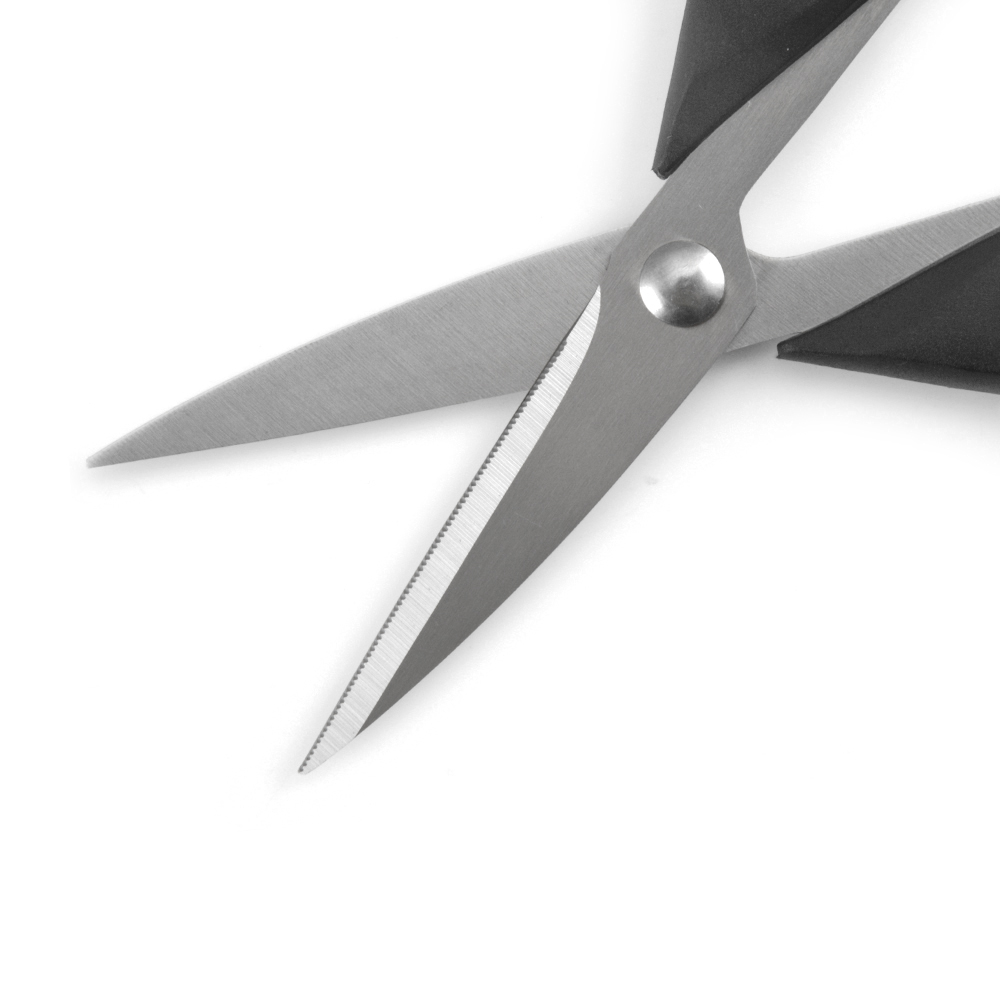
OEM kitchen scissors are a practical product category for importers, wholesalers, private-label brands, supermarkets, and kitchenware distributors. Unlike general office scissors, kitchen scissors are expected to handle food preparation and everyday packaging tasks, so buyers need to evaluate cutting performance, comfort, durability, and presentation before placing an order. The original article highlights stainless steel blades, ergonomic design, sharp cutting, and a black finish. Those are useful starting points, but a serious sourcing decision should go further than appearance.
This guide explains how to assess OEM kitchen scissors for bulk purchasing without relying on unverified claims. It focuses on product-selection and supplier-evaluation questions that help buyers compare factories and manufacturers with more confidence.
Key Takeaways
- Kitchen scissors should be evaluated by cutting performance, handle comfort, blade durability, and ease of cleaning.
- For OEM orders, buyers should confirm which features are standard and which require custom tooling, packaging, or cost changes.
- Ask suppliers clear questions about materials, samples, packaging options, inspection processes, and order requirements.
- A product that looks attractive may still fail if the blades loosen, the handles fatigue the hand, or packaging does not protect the item in transit.
What OEM Kitchen Scissors Are Used For
Kitchen scissors are often used for cutting meat, vegetables, herbs, food packaging, parchment, twine, and light household materials. For B2B buyers, this broad use case is important because the product may be sold to different customer groups: home cooks, restaurant users, gift-set buyers, or general household shoppers. A pair of scissors that works well for one market may not fit another.
For example, a retailer focused on everyday home kitchenware may prioritize comfort, attractive packaging, and a competitive retail price. A distributor serving food-service customers may care more about blade strength, easy cleaning, and repeat performance under heavier use. Before requesting quotations, define the target market, price position, package format, and expected usage scenario.
Blade Quality and Cutting Performance
The original description mentions precision-ground stainless steel blades. That is a useful feature to preserve, but buyers should still ask for the exact material specification, blade thickness, hardness range if available, and edge-finishing process. Do not assume that every stainless steel blade performs the same. Cutting feel depends on the steel, grinding angle, blade alignment, rivet or pivot stability, and final inspection.
When reviewing samples, test the scissors on realistic materials such as poultry skin, leafy herbs, soft packaging, cardboard food sleeves, and plastic wrap. The blades should meet cleanly from heel to tip without slipping or tearing. They should open and close smoothly, but not feel loose. If the sample cuts well only at the tip or only near the handle, the blade geometry may need improvement.
Handle Comfort and Ergonomic Design
The source article refers to comfortably designed handles that reduce hand fatigue. For sourcing, handle comfort should be checked by users with different hand sizes. A handle that looks modern may still create pressure points during repeated cutting. Buyers should inspect the inner edges of the grip, the surface texture, and whether the handle material feels secure when hands are slightly wet.
If the product is intended for broad retail distribution, consider whether the handle works for both left- and right-hand users, or whether the supplier can offer a specific version. Also confirm whether the black finish mentioned in the original content is part of the handle, coating, or overall product design, and ask whether color matching is available for OEM packaging or brand programs.
Comparison Checklist for B2B Buyers
| Evaluation Area | What to Check | Questions to Ask the Supplier |
|---|---|---|
| Blade material | Stainless steel type, thickness, edge finish | What material is used, and can it be documented on the quotation or specification sheet? |
| Cutting performance | Clean cutting on food and packaging materials | What sample tests are recommended before mass production approval? |
| Handle design | Grip comfort, balance, pressure points | Can handle color, texture, or branding be customized for OEM orders? |
| Assembly | Blade alignment, pivot tightness, smooth action | How is looseness or misalignment checked during inspection? |
| Packaging | Retail display, shipping protection, barcode needs | Which packaging options are available, and what artwork files are required? |
| Commercial terms | MOQ, lead time, sample policy, payment terms | What details change when ordering private-label or customized versions? |
OEM Customization Points to Confirm
OEM kitchen scissors may allow different levels of customization, but buyers should not assume every factory can support every option. Common points to discuss include logo placement, handle color, blade finish, packaging style, instruction insert, barcode labeling, carton marks, and assortment planning. Some changes may be simple, while others may require tooling, approval time, or a higher order quantity.
- Request a written specification sheet for the exact model being quoted.
- Ask for pre-production samples before approving mass production.
- Confirm packaging dimensions, carton quantity, and shipping marks.
- Clarify whether the quoted price includes logo printing, retail packaging, and inner cartons.
- Agree on inspection criteria for blade sharpness, handle defects, and packaging condition.
How to Evaluate a Kitchen Scissors Factory or Manufacturer
A reliable kitchen scissors factory should be able to answer practical questions clearly. Buyers can ask about production workflow, quality-control checkpoints, sample timing, packaging support, and communication during production. Avoid relying only on product photos. Photos show appearance, but they do not prove cutting consistency, assembly quality, or packaging strength.
For private-label or wholesale programs, ask the manufacturer to provide a quotation that separates base product cost from customization cost where possible. This makes it easier to compare suppliers fairly. Also ask what information they need from the buyer, such as logo files, packaging artwork, target market requirements, labeling content, or shipping instructions. If regulatory or retailer-specific requirements apply in your market, ask the supplier what documents they can provide, but verify any compliance needs independently.
Sample Testing Before Bulk Orders
Sample testing should reflect real customer use. Open and close the scissors repeatedly, cut several material types, rinse and dry them if cleaning is part of the intended use, and check whether the pivot remains stable. Inspect the blade edge under good lighting for burrs, chips, or uneven grinding. If multiple samples are supplied, compare them against one another. Consistency matters as much as one strong sample.
Packaging should also be tested. A sharp product needs secure retail packaging that protects the customer and prevents damage during shipping. If the scissors will be sold online, drop resistance and package presentation may be more important than for bulk B2B cartons. If the product will hang in stores, confirm hanger-hole strength, visible product positioning, and barcode placement.
Practical FAQ
Are OEM kitchen scissors suitable for private-label brands?
Yes, they can be suitable if the supplier supports branding, packaging customization, and consistent quality control. Buyers should confirm logo options, artwork requirements, sample approval steps, and any MOQ that applies to customized orders.
What should buyers ask about stainless steel blades?
Ask for the exact stainless steel specification, blade thickness, edge process, and any available quality documentation. Also test samples on the materials your end customers are most likely to cut.
Is ergonomic design enough to judge comfort?
No. Ergonomic claims should be checked through handling tests. Buyers should evaluate grip size, edge smoothness, balance, opening force, and comfort during repeated cutting.
How can buyers reduce sourcing risk?
Use a clear specification sheet, approve samples before production, define inspection criteria, and confirm packaging details in writing. If your market has specific safety, labeling, or compliance requirements, verify them before ordering.
What information should be included in a quotation request?
Include target quantity, customization needs, packaging style, destination market, sample requirements, expected delivery schedule, and any retailer or importer requirements. Clear information helps a kitchen scissors manufacturer quote more accurately.
