




Bonet Scissors Showroom Refresh: What Buyers Should Look For
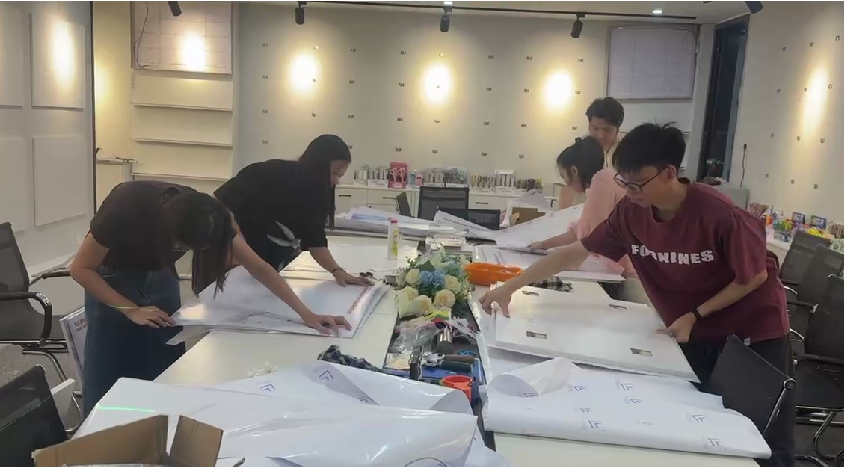
A scissors showroom is more than a display space. For importers, wholesalers, retail buyers, and OEM project managers, it can be a practical place to compare product types, check finishing details, and discuss how a supplier supports different market needs. Bonet has refreshed its scissors showroom with new wallpaper stickers and a cleaner, more modern visual setting designed to better highlight the products on display.
This article explains how to make a showroom visit more useful. Instead of treating the visit as a simple brand tour, buyers can use it to build a sourcing checklist, compare options side by side, and prepare the right questions before discussing quotations, customization, packaging, or production details.
What Changed in the Showroom Refresh
The original update notes that the scissors showroom received a full refresh with new wallpaper stickers, creating a fresher and more modern aesthetic. The purpose is practical as well as visual: a cleaner background can make it easier to focus on product lines, shapes, handles, finishes, and intended applications.
For buyers, improved presentation helps reduce confusion during product review. When samples are grouped clearly and displayed in a more organized environment, it becomes easier to identify which items may fit kitchen use, office use, household use, promotional programs, or private-label ranges. A well-arranged showroom also supports more efficient discussion because the buyer and supplier can point to physical examples instead of relying only on catalog pages.
Why a Scissors Showroom Matters for B2B Sourcing
Scissors can look similar in a photo, but small differences affect market positioning and customer expectations. In a showroom, buyers can compare proportions, handle design, opening and closing feel, finish consistency, packaging ideas, and how each item sits within a broader assortment.
For B2B sourcing, the showroom should help answer three practical questions: What product families are available? Which items are suitable for the buyer’s target channel? What information is still needed before an order decision can be made? A showroom does not replace formal specifications, samples, contracts, or quality checks, but it can shorten the early selection stage.
- Retail buyers can compare how products might appear on shelves or in multipacks.
- Wholesalers can review whether a line is broad enough for different customer groups.
- OEM buyers can identify reference styles before discussing customization.
- Distributors can evaluate whether the assortment supports repeat orders or seasonal promotions.
How to Evaluate Scissors During a Showroom Visit
When reviewing scissors in person, buyers should avoid judging only by appearance. A useful evaluation combines handling, application, packaging, and commercial questions. If product specifications are not displayed, ask for written details rather than assuming blade material, coating, hardness, or test results.
| Evaluation Point | What to Check in the Showroom | Questions to Ask the Supplier |
|---|---|---|
| Product purpose | Kitchen, household, office, craft, or general-use positioning | Which markets or use cases is this model designed for? |
| Handling feel | Grip shape, opening movement, size, and comfort | Are alternative handle colors, sizes, or shapes available? |
| Finish and consistency | Visible edges, surface finish, alignment, and sample uniformity | How is consistency checked before shipment? |
| Packaging options | Cards, sleeves, boxes, sets, or display-ready formats if shown | What packaging formats can be quoted for this item? |
| OEM readiness | Reference styles suitable for private label or custom assortments | What branding, artwork, and sample approval steps are required? |
Questions Buyers Should Prepare Before Discussing Orders
A refreshed showroom creates a better environment for product selection, but commercial decisions still require clear data. Buyers should prepare a question list before the visit or video tour. This helps prevent vague discussions and makes follow-up quotations more accurate.
- Which models are standard items, and which require custom development?
- What information is needed to quote OEM or private-label packaging?
- What are the available packaging choices for wholesale or retail channels?
- What are the order quantities, lead times, and sample procedures for the selected items?
- Which product specifications can be confirmed in writing?
- What quality inspection steps should buyers expect before shipment?
- Are compliance documents or market-specific requirements available for review if needed?
These questions do not assume any specific capacity, certification, price, or material claim. They simply help buyers collect the facts needed for responsible sourcing.
Using the Showroom for OEM and Wholesale Planning
For OEM projects, the showroom can function as a reference library. Buyers can point to an existing model and explain what needs to change, such as packaging artwork, color direction, set composition, or retail positioning. The supplier can then confirm which requests are feasible and what information is required for sampling.
For wholesale buyers, the showroom can help build an assortment. Instead of selecting one item at random, buyers can compare how several models work together across price points and customer needs. A balanced wholesale range may include different sizes, applications, packaging formats, and display concepts, depending on the target market.
Buyers should also ask how products are documented. A professional sourcing discussion should lead to clear model references, sample notes, quotation terms, packaging files, and inspection expectations. Showroom impressions are helpful, but written confirmation is what supports purchasing decisions.
Key Takeaways
- Bonet’s scissors showroom has been refreshed with new wallpaper stickers and a cleaner modern presentation.
- A showroom visit is most useful when buyers compare products by application, handling, finish, packaging, and sourcing requirements.
- Do not assume material grades, certifications, production capacity, or testing results unless the supplier confirms them in writing.
- OEM and wholesale buyers should prepare questions about samples, packaging, order details, customization, and quality checks.
- A better display environment can make selection easier, but final purchasing decisions should be based on confirmed specifications and commercial terms.
Practical FAQ
What is the main purpose of the showroom refresh?
The refresh gives the scissors showroom a cleaner, more modern look with new wallpaper stickers. The updated setting is intended to help display the scissors more clearly and make product review easier.
Can buyers confirm product specifications from the showroom alone?
No. A showroom can support visual comparison and handling, but buyers should request written specifications for materials, dimensions, packaging, testing, or compliance details before making purchasing decisions.
Is the showroom useful for OEM scissors projects?
Yes, it can help buyers choose reference models and explain customization goals. However, OEM feasibility, artwork requirements, sample timing, order quantities, and costs should be discussed and confirmed with the supplier.
What should wholesale buyers focus on during a visit?
Wholesale buyers should look at assortment structure, packaging options, product applications, and whether the range fits their sales channels. They should also ask how repeat orders, labeling, and shipment inspections are handled.
How can buyers prepare for a showroom meeting?
Bring target market information, expected sales channels, packaging preferences, branding needs, and any compliance requirements. A prepared brief helps the supplier recommend suitable items and provide more accurate follow-up information.
