








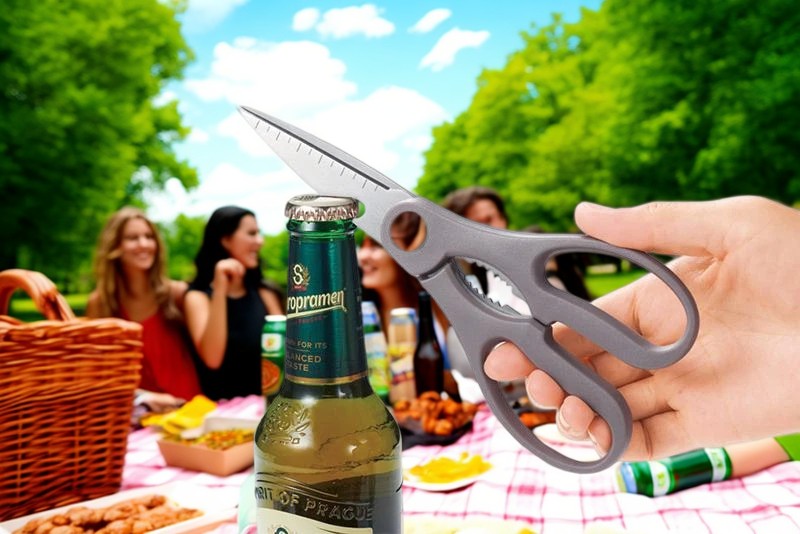
Discover Versatile Kitchen Scissors for Every Task
Kitchen scissors are one of those tools that often sit quietly in a drawer until the exact moment they become the fastest solution. From trimming herbs to opening food packaging, a well-designed pair can save time and reduce the need to switch between knives, boards, and small gadgets. The multi-purpose kitchen scissors described in the original product introduction combine several useful functions: stainless steel blades, a serrated blade paired with a smooth edge, ergonomic handles, an integrated bottle opener, and nut-cracking grooves.
This guide explains how to evaluate versatile kitchen scissors, what tasks they are best suited for, and how to care for them so they remain practical for everyday meal preparation. Rather than treating them as a novelty item, it helps you decide whether this type of tool fits your cooking habits, storage space, and cleaning routine.
Key Takeaways
- Multi-purpose kitchen scissors are useful for food prep, packaging, bottle opening, and cracking some nuts.
- Stainless steel blades are a practical feature, but buyers should still ask about maintenance and corrosion resistance.
- A serrated blade and smooth edge can improve grip and cutting control across different ingredients.
- Ergonomic handles matter if you use scissors frequently or for tougher cutting jobs.
- Cleaning, drying, and safe storage are essential for long-term performance.
Why Kitchen Scissors Deserve a Place in Daily Prep
A chef’s knife remains the main cutting tool in most kitchens, but scissors can be faster and safer for specific jobs. They are especially helpful when cutting directly over a bowl, pan, or plate. For example, you can snip scallions into soup, cut herbs without bruising them as much, trim parchment paper, or open sealed ingredient bags without searching for a knife.
Versatile kitchen scissors also reduce clutter when they combine several functions in one tool. The integrated bottle opener is useful during casual cooking or serving, while the nut-cracking grooves can help with walnuts, pecans, or similar shells depending on size and hardness. These features are most valuable when they are easy to access and do not interfere with the main cutting motion.
Core Features to Look For
The original article highlights several features that are worth understanding before purchase. Stainless steel blades are commonly chosen for kitchen tools because they are durable and easier to maintain than many untreated metals. However, “stainless” does not mean maintenance-free. Ask the seller for cleaning guidance, dishwasher suitability, and whether the blades should be dried immediately after washing.
The blade design is also important. A serrated blade can help grip slippery surfaces such as poultry skin, herbs, or plastic packaging, while a smooth edge can create cleaner cuts on softer items. When both are present, the scissors can handle a wider range of daily tasks. Ergonomic handles should feel stable, with enough space for your fingers and no sharp pressure points during repeated use.
Comparison Checklist Before You Buy
| Feature to Check | Why It Matters | Question to Ask |
|---|---|---|
| Stainless steel blades | Supports durability and routine kitchen use | What cleaning and drying steps are recommended? |
| Serrated and smooth edges | Helps with both gripping and clean cutting | Which foods or materials are the blades intended to cut? |
| Ergonomic handles | Improves comfort during longer prep sessions | Are the handles suitable for different hand sizes? |
| Integrated bottle opener | Adds convenience without a separate tool | Where is the opener positioned, and is it easy to use safely? |
| Nut-cracking grooves | Can help crack certain nuts or shells | What shell sizes and hardness levels are appropriate? |
| Storage option | Protects blades and prevents drawer accidents | Is a sheath, magnetic storage option, or hanging hole included? |
Practical Ways to Use Multi-Purpose Kitchen Scissors
Kitchen scissors are not only for cutting herbs. They are useful in many small tasks where a knife is inconvenient or overly large. For everyday cooking, try using them for:
- Snipping fresh herbs, scallions, or chives directly into a bowl.
- Cutting cooked noodles, bacon strips, or cooked vegetables into smaller portions.
- Opening sealed food bags, spice packets, or vacuum packaging.
- Trimming excess fat from meat or cutting poultry into manageable pieces, if the scissors are suitable for that task.
- Cutting parchment, foil, twine, or kitchen packaging materials.
- Opening capped beverages with the built-in bottle opener.
- Cracking suitable nuts using the integrated grooves.
Always match the task to the tool. If you need to cut bone, frozen food, very hard shells, or thick non-food materials, confirm whether the scissors are designed for that level of force. Using any kitchen scissors beyond their intended purpose can damage the blades or handles.
Comfort, Control, and Safety
Comfort is not a minor detail. When scissors are used for repetitive prep, poorly shaped handles can cause hand fatigue. Ergonomic handles are intended to improve grip and reduce strain, especially during tasks such as cutting packaging or trimming ingredients. If possible, check whether the handle openings are large enough for your fingers and whether the tool feels balanced when held.
Control also depends on blade sharpness and alignment. Dull scissors can slip, crush herbs, or require extra force. Store the scissors in a way that protects the cutting edges. If the product does not include a sheath, consider a safe drawer organizer or magnetic strip only if the scissors are compatible with that storage method.
Cleaning and Care Tips
Kitchen scissors touch many surfaces, including raw ingredients and packaging. Good cleaning habits help prevent odor, residue buildup, and cross-contamination. Follow the supplier’s care instructions first, but these general practices are useful for most kitchen scissors:
- Wash the blades soon after cutting sticky, oily, or raw foods.
- Use warm water and mild dish soap unless the manufacturer recommends another method.
- Clean carefully around the pivot, bottle opener, and nut-cracking grooves where debris can collect.
- Dry the scissors completely before storing them.
- Keep them closed and stored away from children.
- Avoid using them on tasks that require heavy-duty shears unless the supplier confirms suitability.
If the scissors become stiff, loose, or visibly damaged, stop using them for food prep until the issue is resolved. For tools used regularly, occasional inspection is more useful than waiting until they fail during cooking.
Who Benefits Most from This Type of Tool?
Versatile kitchen scissors are best for people who cook often but prefer simple, space-saving tools. Small apartment kitchens, family kitchens, outdoor cooking setups, and meal-prep routines can all benefit from a pair that handles cutting, opening, and light cracking tasks. They are also helpful for cooks who want to reduce the number of times they wash a cutting board for small snipping jobs.
They may be less useful if you already have specialized poultry shears, nutcrackers, herb scissors, and several openers that you prefer. In that case, the value depends on whether a combined tool improves your workflow or simply duplicates tools you already own.
FAQ
Can versatile kitchen scissors replace a chef’s knife?
No. They are best viewed as a companion tool. A chef’s knife is still better for slicing, chopping, and precise cutting on a board, while scissors are excellent for quick snipping, trimming, and opening tasks.
Are stainless steel kitchen scissors dishwasher safe?
Not always. Stainless steel blades can still be affected by detergent, heat, or trapped moisture. Check the supplier’s care instructions and dry the scissors thoroughly after washing.
What is the benefit of having one serrated blade?
A serrated edge helps grip slippery or flexible materials, which can make cutting packaging, herbs, or certain foods easier. The smooth edge helps support cleaner cuts.
Can the nut-cracking grooves handle all nuts?
No single groove design suits every shell. They may help with nuts such as walnuts or pecans, but buyers should ask what sizes and shell hardness levels are recommended.
Should I choose kitchen scissors with a sheath or magnetic storage?
Safe storage is important. If a sheath or magnetic option is not clearly included, ask the supplier. A drawer organizer can also help protect the blades and reduce accidental cuts.
