




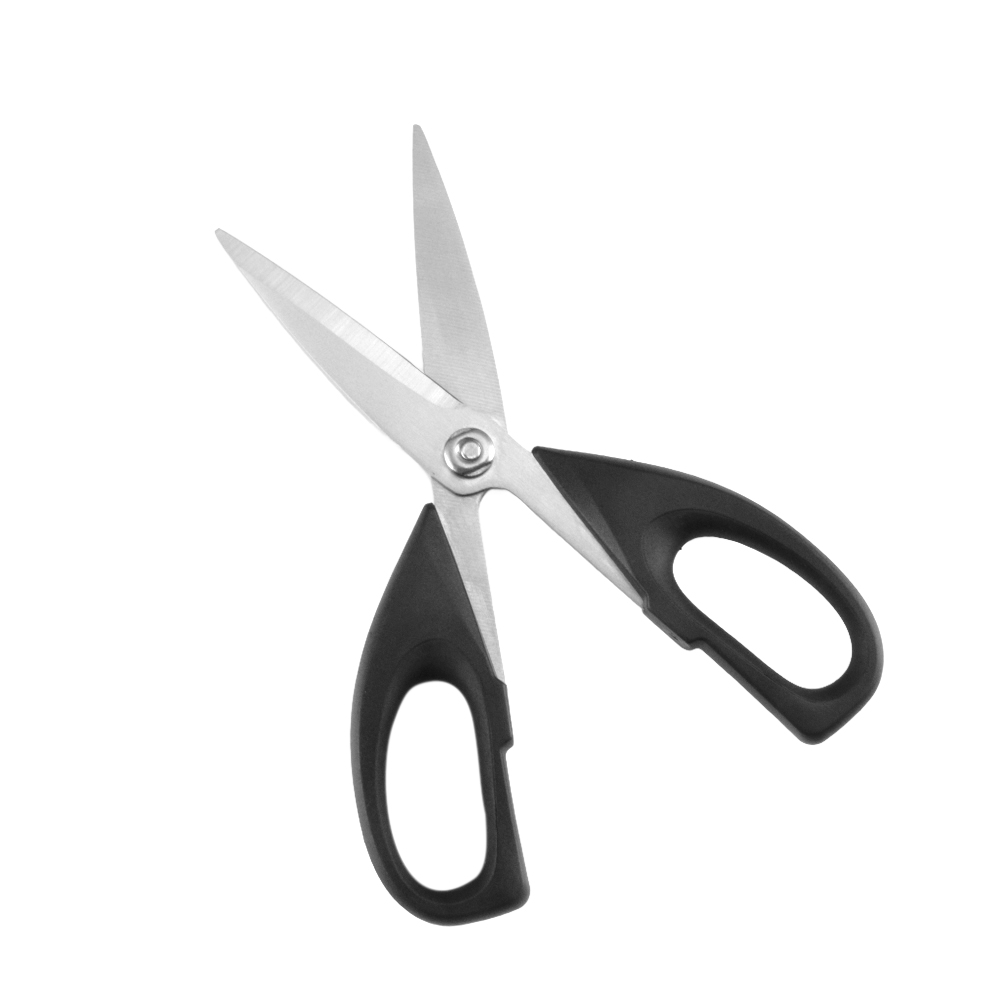
OEM Kitchen Scissors: A Practical Sourcing Guide for Buyers
OEM kitchen scissors are a small product category with a wide range of purchasing decisions behind it. For retailers, distributors, promotional buyers and kitchenware brands, the question is not only whether the scissors can cut herbs or open packaging. The more important question is whether the product fits the target customer, price position, packaging plan and repeat-order expectations.
The original product introduction highlights kitchen scissors designed for precision, comfort and everyday kitchen tasks, with ergonomic, non-slip handles and a sleek black design. Those are useful starting points, but a professional buyer should go further. Before placing an OEM or wholesale order, confirm materials, finishing, blade sharpness, handle construction, packaging, labeling and inspection standards directly with the supplier.
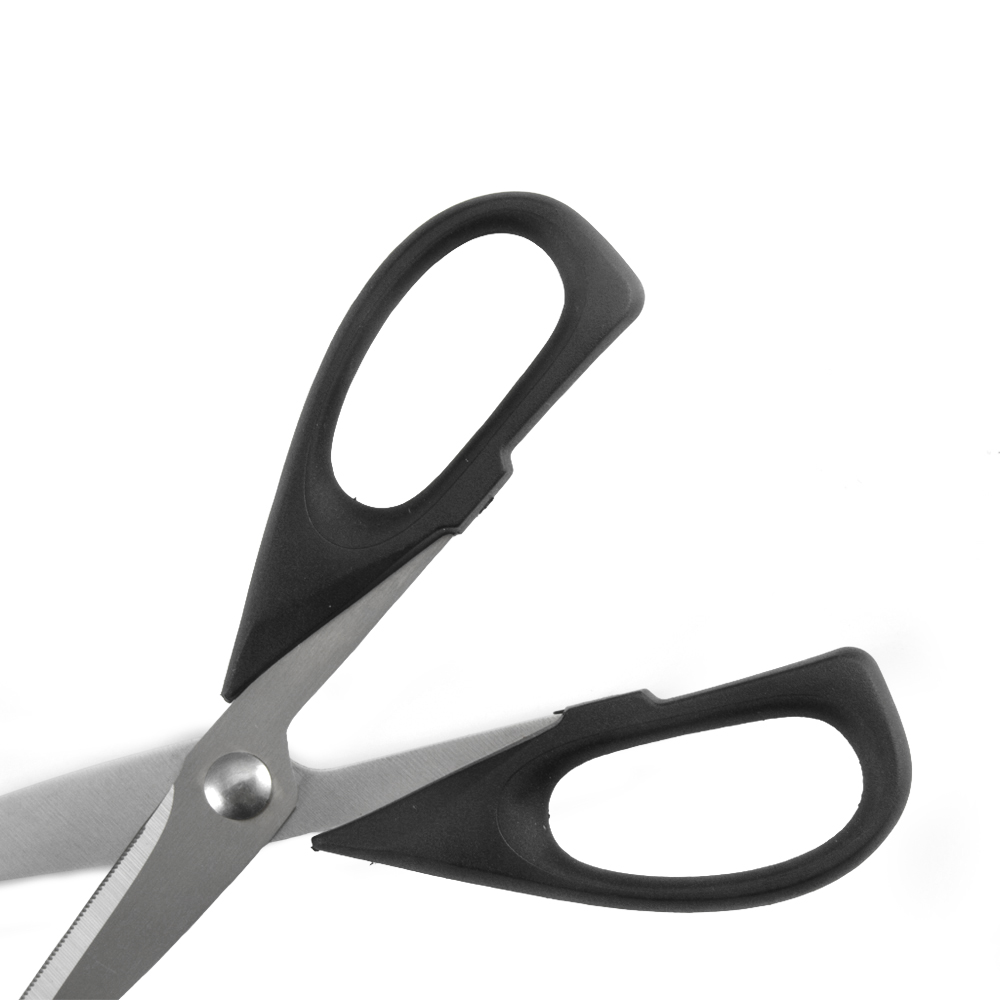
What OEM Kitchen Scissors Are Used For
Kitchen scissors, sometimes called kitchen shears, are designed for quick cutting tasks that are inconvenient with a knife. In consumer kitchens, they may be used for trimming herbs, cutting food packaging, portioning soft ingredients or opening sealed bags. In foodservice or catering settings, they can support repetitive preparation tasks when the design is comfortable and easy to clean.
For OEM buyers, the end use should guide the specification. A budget retail item, a gift set component and a professional kitchen accessory may look similar online, but they often require different handle feel, blade thickness, packaging and quality tolerance. Define the intended user before discussing samples.
Key Product Details Buyers Should Confirm
The source article mentions ergonomic, non-slip handles, precision cutting and a black design. It also refers to stainless steel in the context of manufacturing. Because commercial details can vary by production run, buyers should not rely on assumptions. Instead, request written confirmation and samples before approval.
- Blade material and whether the supplier can document the stated stainless steel grade.
- Blade hardness, edge sharpness and whether the edge is suitable for the intended cutting tasks.
- Handle material, grip texture and resistance to slipping when hands are wet.
- Overall size, weight and balance for the target market.
- Cleaning guidance, including whether the product is intended for dishwasher use.
- Packaging format, barcode needs, private label artwork and carton marking requirements.
These questions help separate a general kitchen scissor from a product that is ready for retail, wholesale or private-label distribution.
Comparison Checklist for OEM Evaluation
Use a structured checklist when comparing suppliers. A low unit price is not meaningful if the scissors fail inspection, arrive with inconsistent packaging or do not match the approved sample.
| Evaluation Area | What to Check | Questions to Ask the Supplier |
|---|---|---|
| Cutting performance | Sharpness, alignment and smooth opening action | What cutting tests are used before shipment? |
| Handle comfort | Grip shape, non-slip texture and hand fatigue | Can you provide samples for different handle materials? |
| Material clarity | Blade and handle material declarations | Can you confirm the material grade in writing? |
| OEM packaging | Blister card, box, hang tag or custom label options | What artwork files and approvals are required? |
| Quality control | Consistency against approved sample | What inspection standard is used for bulk orders? |
| Logistics readiness | Carton size, packing method and export documents | Can you provide packing details before order confirmation? |
How to Assess a Kitchen Scissors Factory or Supplier
When the topic is OEM sourcing, supplier evaluation is as important as the product itself. A dependable kitchen scissors factory or trading partner should answer technical and commercial questions clearly. Buyers should ask for product photos, physical samples, packaging options and inspection procedures rather than relying only on a short catalog description.
If you need a private-label product, clarify whether the supplier can support your logo placement, color requirements, instruction insert and retail packaging. Also ask whether tooling, printing plates or sample charges apply. Do not assume minimum order quantities, lead times, certifications or test reports unless the supplier provides current documents for the exact item and destination market.
Sample Testing Before Bulk Orders
Samples should be checked by the same people who understand the target market. A purchasing team may focus on price, while users notice grip comfort, blade movement and whether the scissors feel stable in the hand. For kitchen products, small details can affect reviews and repeat sales.
- Cut common items such as herbs, thin packaging and soft food materials relevant to your market.
- Open and close the scissors repeatedly to check smoothness and screw or rivet stability.
- Hold the handle with dry and slightly wet hands to evaluate the non-slip claim.
- Inspect the surface finish for scratches, burrs, sharp handle edges or uneven coating.
- Compare all received samples for consistency, not just one best-looking unit.
Keep one signed or documented approval sample for future production comparison. This makes communication easier if bulk goods differ from expectations.
Packaging, Branding and Retail Readiness
Kitchen scissors are often sold as standalone tools, part of a kitchen accessory range or as a component in a gift set. The packaging should match the sales channel. E-commerce sellers may care about drop-test resistance and compact carton dimensions. Retail buyers may need a hang hole, barcode area, multilingual instructions or a clean product photo on the card.
For OEM branding, provide artwork early and confirm colors, logo size and placement with a pre-production sample. If the product includes care instructions or safety warnings, buyers should review the wording for the destination market. The supplier may offer suggestions, but the brand owner or importer should confirm compliance requirements with qualified local advisers when necessary.
Key Takeaways
- OEM kitchen scissors should be selected according to target user, sales channel and expected cutting tasks.
- Comfort features such as ergonomic, non-slip handles should be verified with physical samples.
- Material, packaging, inspection and labeling details should be confirmed in writing before bulk production.
- A comparison checklist helps buyers evaluate suppliers beyond price alone.
- Do not assume MOQ, certifications, test results or lead times; ask the supplier for current details.
FAQ
What should I ask before ordering OEM kitchen scissors?
Ask about blade material, handle material, sample availability, packaging choices, logo options, inspection process, carton packing and lead time. If your market has specific compliance needs, request relevant documentation for the exact product.
Are non-slip handles important for kitchen scissors?
Yes. Kitchen scissors are often used when hands may be damp or oily. A comfortable, non-slip handle can improve control and reduce hand fatigue, but the grip should be tested with samples.
Can kitchen scissors be customized for private label sales?
Many OEM programs may allow branding or packaging customization, but options depend on the supplier and order details. Buyers should ask about logo methods, artwork requirements, sample approval and any extra charges.
How can buyers judge cutting quality?
Test the scissors on realistic materials, check blade alignment, inspect the edge, and compare multiple samples. For bulk orders, define the approved sample and inspection expectations before production starts.
Should I choose the lowest-priced supplier?
Not automatically. Price matters, but cutting performance, consistency, packaging accuracy and communication can affect total cost. A slightly cheaper product may become expensive if it creates returns or delays.
