




Discover Pizza Cutting Wheel China Factory Excellence
Sourcing a pizza cutting wheel from a China factory can be a practical option for importers, kitchenware brands, distributors, and promotional product buyers. The goal is not simply to find the lowest quote. A better sourcing process looks at product usability, buyer protection, communication, packaging, quality control, and whether the supplier can support the type of order you need.
The original article highlighted several useful ideas: buyers often look for quality, reliability, ergonomic design, user safety, durable materials, and modern options such as retractable cutters with circular casings. This expanded guide turns those ideas into a more actionable B2B checklist so buyers can evaluate a pizza cutter factory in China with clearer questions and fewer assumptions.
Why Pizza Cutting Wheels Need Careful Supplier Evaluation
A pizza cutting wheel is a simple kitchen tool, but small design choices can affect performance and customer satisfaction. A wheel that is difficult to grip, hard to clean, poorly assembled, or unsafe to store can create complaints even if the product looks attractive in photos. For wholesale and OEM orders, these issues multiply across cartons, marketplaces, and retail shelves.
When comparing factories or trading companies, buyers should focus on how the item will be used in real kitchens. Ask whether the cutter is intended for home use, restaurant use, gift sets, retail blister cards, or private-label kitchenware lines. Each sales channel may require different packaging, instruction wording, finish expectations, and inspection methods.
Core Product Details to Confirm Before Quoting
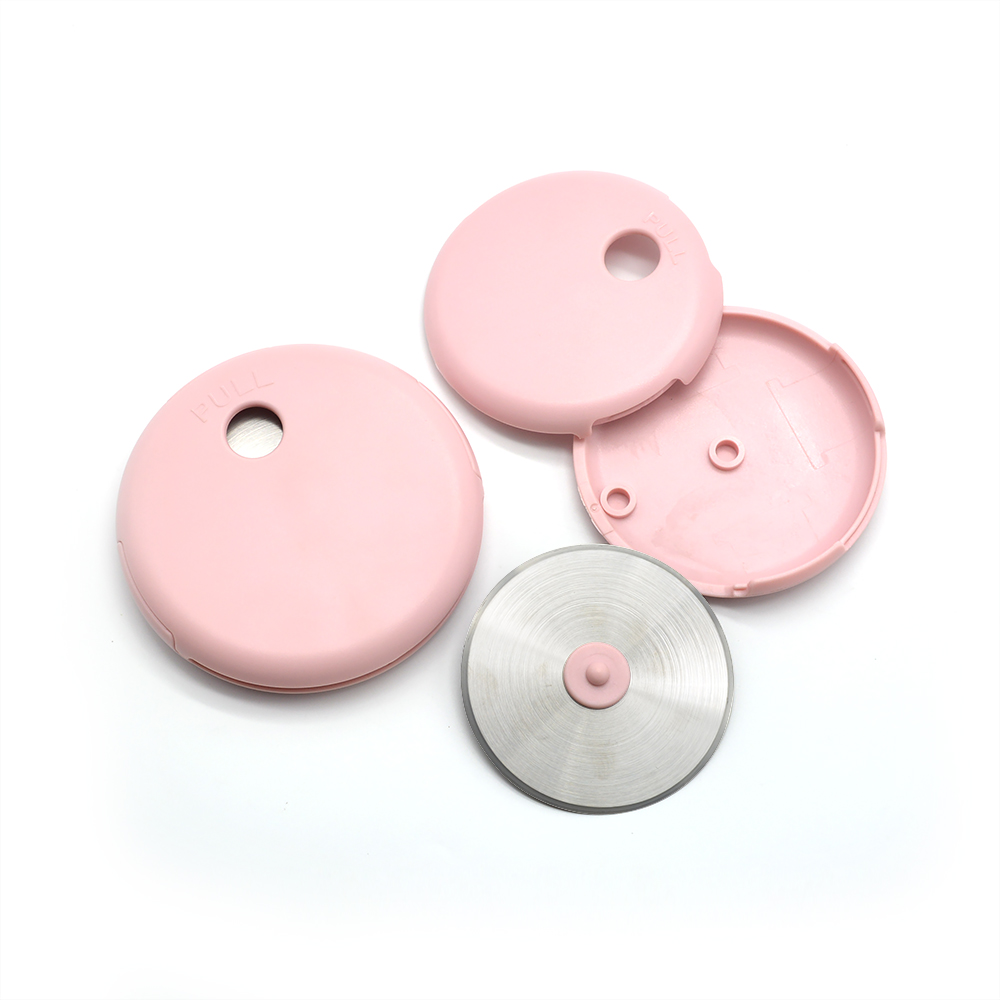
Before asking for a final price, prepare a clear product brief. A factory can only quote accurately when the buyer defines the product type and expected finish. For pizza cutting wheels, the brief should identify whether you want a classic handled wheel, a compact palm-style cutter, or a retractable design. The original article mentioned a retractable cutter with a blade that tucks into a circular casing; if you are considering this style, confirm how the mechanism works and how easily it can be cleaned.
- Product type: handled wheel, palm cutter, retractable cutter, or set item.
- Blade and body materials: ask the supplier to specify materials in writing rather than assuming.
- Grip design: confirm size, shape, surface texture, and comfort for different hand sizes.
- Safety features: ask how the blade is covered, locked, or protected during storage.
- Cleaning method: confirm whether the design has hard-to-reach gaps or removable parts.
- Packaging: retail box, color card, polybag, display pack, or custom private-label packaging.
- Branding: logo placement, printing method, color options, and artwork requirements.
Comparison Checklist for a China Pizza Cutter Supplier
The table below can help buyers compare suppliers beyond unit price. Use it during sample review, quotation comparison, or supplier interviews.
| Evaluation Area | What to Check | Questions to Ask the Supplier |
|---|---|---|
| Product design | Wheel shape, handle comfort, retractable or exposed blade format | Can you provide drawings, photos, or samples of current models? |
| Material disclosure | Blade, casing, handle, screws, and any coating or finish | What materials are used for each component, and can this be written on the quote? |
| Safety | Blade protection, grip control, storage method, and assembly stability | How is the cutting edge protected during shipping, display, and storage? |
| Quality control | Sharpness consistency, wheel rotation, burrs, surface defects, and packaging condition | What inspection steps are used before shipment, and can buyers define an AQL standard? |
| OEM support | Logo, color, packaging, instruction sheet, and carton marks | What customization options are available, and what are the artwork requirements? |
| Commercial terms | MOQ, lead time, payment terms, sample cost, and tooling if needed | What changes when the order is customized instead of standard stock? |
Sample Review: What Buyers Should Test
Samples are essential because photos rarely reveal cutting performance or hand feel. When the sample arrives, test it on different pizza crusts, flatbreads, and cutting boards if relevant to your market. The cutter should roll smoothly without requiring excessive pressure. The user should feel in control, especially when cutting through thicker crust or melted cheese.
Inspect the wheel edge for burrs, uneven finishing, or wobble. If the cutter is retractable, open and close the mechanism repeatedly and check whether the blade remains secure. If it has a polished or colored outer casing, examine whether fingerprints, scratches, or color inconsistencies are likely to affect retail presentation. For a rose pink or other modern color option, confirm the exact shade with a physical sample or approved color reference rather than relying on screen images.
Questions for OEM and Wholesale Orders
For OEM sourcing, the most important step is documenting expectations. A supplier may offer several existing pizza cutter styles, but private-label orders need clearer specifications. Do not assume that customization, packaging, or compliance paperwork is included unless it is confirmed in writing.
- What is the minimum order quantity for a standard item and for a customized item?
- What lead time applies to samples, packaging proofs, and bulk production?
- Can the supplier provide pre-production samples for approval before mass production?
- What logo methods are possible for the selected material and shape?
- What packaging formats are available, and can the packaging pass drop or transit checks?
- Can third-party inspection be arranged before shipment?
- Which product claims, if any, are supported by documents rather than marketing language?
Balancing Design, Safety, and Cost
A low-cost cutter may be suitable for some promotional channels, while a heavier or more refined design may be better for retail kitchenware. The right choice depends on your market position. Buyers should compare total landed value, not just factory price. Packaging, defect rate, rework, shipment damage, and customer returns all influence real cost.
Modern compact or retractable pizza cutters can be appealing because they are easy to store and may reduce accidental contact with the blade when designed properly. However, they may also have more components than a basic wheel cutter. More components can mean more inspection points, so ask the factory how the mechanism is assembled and checked.
Key Takeaways
- A strong pizza cutting wheel China factory should be evaluated on design, safety, materials, consistency, and communication, not price alone.
- Ask suppliers to confirm product materials, customization options, MOQ, lead time, and inspection procedures in writing.
- Samples should be tested for cutting performance, wheel stability, hand comfort, cleaning practicality, and packaging appearance.
- For retractable or compact designs, pay extra attention to blade protection, mechanism durability, and ease of use.
Practical FAQ
How do I choose between a factory and a trading company?
A factory may offer more direct production control, while a trading company may provide wider product selection. Ask who owns the production process, where the goods are made, and who handles quality issues if defects are found.
What should be included in a pizza cutter quotation?
A useful quotation should include product model, materials, size if available, packaging, MOQ, lead time, payment terms, customization cost, sample policy, and shipment carton information if the supplier has it ready.
Should I order a standard model or create a custom pizza cutter?
Standard models are usually faster to source and easier to sample. Custom designs may support brand differentiation, but they require more development work, clearer drawings, possible tooling discussions, and stricter sample approval.
How can I reduce quality risks before shipment?
Approve a pre-production sample, define inspection criteria, check packaging durability, and consider third-party inspection before the balance payment or shipment. Make sure the supplier understands what counts as a defect.
Are retractable pizza cutters better than traditional handled cutters?
Not always. Retractable cutters can be compact and convenient for storage, but traditional handled cutters may be easier for some users to grip and clean. The better choice depends on your target customer, retail price point, and quality expectations.
