




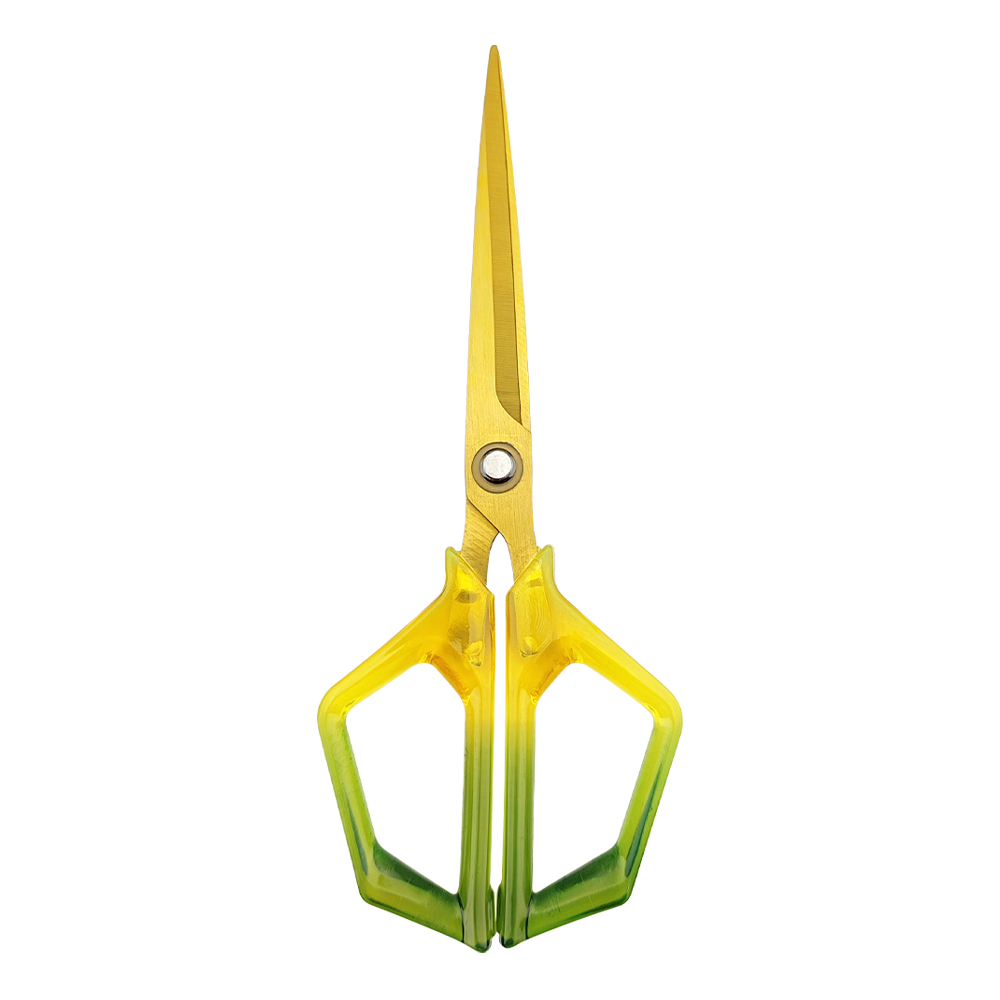
Discover Premium Titanium Scissors: Style & Performance
Premium titanium scissors are often chosen by people who want a cleaner cut, a longer-lasting edge, and a tool that feels reliable during repeated use. The original appeal is easy to understand: these scissors combine a sleek appearance with practical cutting performance for workspaces such as design studios, craft rooms, offices, and home project areas. Still, buyers should look past broad marketing language and evaluate the details that affect daily use.
In many product descriptions, “titanium scissors” refers to scissors with titanium-coated blades rather than blades made entirely from titanium. The original article highlights titanium-coated blades, sharpness, lightweight handling, corrosion resistance, and use across materials such as delicate fabrics, thick cardstock, and office paper. Those are useful points, but the best purchase decision comes from matching the scissors to your tasks, grip comfort, and care habits.
Key Takeaways
- Premium titanium scissors are best judged by cutting smoothness, comfort, blade alignment, and coating quality.
- Titanium-coated blades may offer durability and corrosion resistance, but buyers should confirm the exact construction with the seller.
- Professional users should prioritize ergonomics and consistent cutting over appearance alone.
- Different tasks, such as fabric, cardstock, and office paper, may require different blade lengths or handle designs.
- Good care habits help protect sharpness and reduce snagging, tearing, or sticky blade buildup.
What Makes Titanium Scissors Different?
The main distinction is the blade finish. Titanium-coated scissors typically use a metal blade with a titanium-based coating applied to the cutting surface. This coating is commonly valued for hardness, wear resistance, and a modern colored finish. The original article also notes corrosion resistance and lightweight handling, both of which matter when scissors are used frequently.
However, the coating alone does not guarantee excellent performance. A poorly aligned pair of scissors can still fold paper, chew fabric, or feel rough at the pivot. Likewise, a sharp edge can become less useful if the handle is uncomfortable. For this reason, buyers should evaluate the whole tool: blade geometry, pivot tension, handle shape, weight, and the intended cutting material.
Best Uses for Premium Titanium Scissors
Premium titanium scissors can be a good fit for general office work, paper crafts, light packaging tasks, sewing preparation, and creative projects. The original article mentions clean cuts through delicate fabrics, thick cardstock, and everyday office papers. That broad range is possible when the scissors are properly sharpened, aligned, and used within reasonable limits.
For fabric, use a pair dedicated to textiles only. Cutting cardboard, tape, or plastic packaging with the same scissors can dull the edge and create residue that affects fabric cutting. For cardstock or office paper, a stronger blade and comfortable handle may matter more than an ultra-fine tip. For detail work, smaller scissors with precise tips may be easier to control than a large all-purpose pair.
Comparison Checklist for Choosing the Right Pair
| Selection Point | What to Check | Why It Matters |
|---|---|---|
| Blade type | Ask whether the blades are titanium-coated and what base material is used. | Clarifies durability expectations and avoids assuming the scissors are solid titanium. |
| Cutting task | Match the scissors to paper, cardstock, fabric, or mixed office use. | Different materials place different demands on blade sharpness and leverage. |
| Handle comfort | Look for a grip shape that suits your hand size and working time. | Comfort reduces fatigue during repeated cutting. |
| Pivot action | Open and close the scissors smoothly; check for wobble or stiffness. | A stable pivot supports cleaner, more controlled cuts. |
| Care needs | Confirm cleaning guidance, sharpening options, and coating precautions. | Proper maintenance helps preserve performance. |
How to Evaluate Cutting Performance
Good titanium scissors should open smoothly, close evenly, and cut from the base of the blade to the tip without forcing. When testing scissors, cut a straight line through standard paper first. Then try a curve, a narrow strip, and the material you expect to use most often. If the scissors push the material forward instead of cutting it, the edge or blade alignment may not be suitable.
For professional users, repeatability is important. A pair that performs well for one cut but causes fatigue after twenty minutes may not be the right tool. Stylists, crafters, office administrators, and design teams should pay attention to hand pressure, thumb movement, and whether the handle edges create discomfort. The original article mentions ergonomic design and soft-touch handles; when available, these features can be useful, but they should be tested rather than assumed.
Comfort, Weight, and Ergonomics
Scissors are simple tools, but comfort affects output quality. A lightweight pair can reduce strain, especially for users who cut repeatedly throughout the day. At the same time, very light scissors may not provide enough leverage for thick cardstock or layered materials. The right balance depends on the task.
Handle design is equally important. Larger finger loops may help users who wear gloves or prefer a relaxed grip. Soft-touch handles can improve comfort, but they should still feel stable and not slippery. If several people will share the same scissors in an office or studio, choose a practical all-purpose size rather than a highly specialized shape.
Care Tips for Longer Service Life
- Wipe the blades after cutting tape, labels, or adhesive materials.
- Store scissors closed in a dry place to reduce edge damage and moisture exposure.
- Use separate scissors for fabric and paper if clean fabric cuts are important.
- Avoid cutting wire, metal sheet, or hard plastic unless the product is specified for that use.
- Do not over-tighten the pivot; too much tension can make cutting tiring and uneven.
Cleaning should be gentle. A soft cloth is usually enough for dust and paper fibers. For adhesive residue, use a small amount of appropriate cleaner on the cloth rather than soaking the scissors. If the coating becomes scratched or the edge becomes dull, ask the supplier whether sharpening is recommended for that specific model.
Questions to Ask Before Buying
If you are buying for a team, store, school, or workshop, treat the purchase like a small sourcing decision. Ask the supplier direct questions instead of relying only on product photos. Useful questions include: What is the blade construction? Are the blades titanium-coated? What materials are the scissors intended to cut? Is the handle soft-touch or rigid? Are replacement or warranty terms available? What packaging options are offered for bulk orders?
For wholesale or OEM inquiries, also ask about sample availability, lead time, branding options, carton details, and quality inspection process. Do not assume minimum order quantity, certifications, or testing results unless the supplier provides current documentation. Clear answers reduce misunderstandings and help you compare products fairly.
FAQ
Are titanium scissors made entirely from titanium?
Not always. Many products described as titanium scissors use titanium-coated blades. Confirm the blade construction with the seller before purchasing.
Can I use one pair for fabric and paper?
You can, but it is not ideal for precise fabric work. Paper and cardstock can dull the edge faster, so dedicated fabric scissors are better for sewing or textile projects.
Do titanium-coated scissors need sharpening?
They may eventually need sharpening depending on use. Ask whether the specific model can be sharpened without damaging the coating.
What should professionals prioritize?
Professionals should prioritize smooth cutting, pivot stability, handle comfort, and suitability for the main material they cut every day.
How do I prevent sticky blades?
Clean adhesive residue after cutting tape or labels, and avoid letting buildup collect near the pivot or cutting edge.
Final Buying Advice
Premium titanium scissors can be a practical upgrade when they are chosen for the right reason: cleaner cuts, comfortable handling, and reliable daily performance. Look beyond the finish and check the details that affect use. A well-selected pair should match your material, fit your hand, move smoothly, and be easy to maintain. Whether for a professional workspace or a personal craft area, the best scissors are the ones that make repeated cutting accurate, controlled, and comfortable.
