




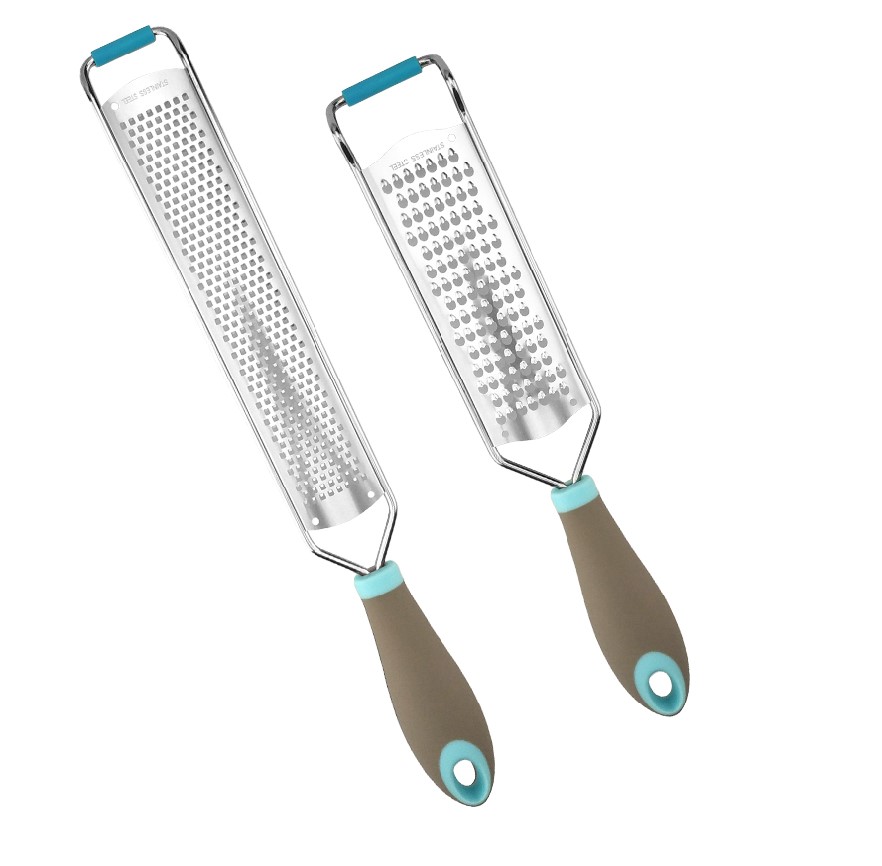
Finding a Reliable Kitchen Utensils Supplier for Graters and Gadgets
Choosing a kitchen utensils supplier is not only about finding a product that looks good in a catalog. For retailers, importers, distributors, hospitality buyers, and private-label brands, the real question is whether the supplier can provide consistent products, clear communication, practical packaging options, and reliable support before and after an order. This is especially important for everyday preparation tools such as graters, slicers, and other compact kitchen gadgets, where blade performance, grip comfort, and safe handling can strongly affect user satisfaction.
The original product focus is a stainless steel grater range with multiple blade styles, including fine grating, cubing, slicing, standard grating, small grating, and medium grating options. These are useful functions for cheese, citrus zest, carrots, ginger, garlic, vegetables, fruit, and chocolate. When sourcing this type of item, buyers should look beyond a single sample and build a structured evaluation process.
Key Takeaways
- A dependable kitchen utensils supplier should be assessed on product consistency, communication, packaging, quality control, and order support.
- For stainless steel graters, compare blade options, sharpness, handle comfort, cleaning convenience, and safe storage or packaging.
- Do not assume MOQ, certifications, testing, material grade, or customization capability; ask the supplier to confirm these in writing.
- Request pre-production samples and define inspection points before placing a bulk order.
Understand the Product Range Before You Source
A grater may appear simple, but the details matter. The source article describes a multifunctional stainless steel grater series with different blades for fine grating, cubes, slicing, standard grating, small grating, and medium grating. These functions can serve different cooking and preparation needs. Fine blades may be used for delicate cheese or citrus zest. Small grating surfaces can suit ginger or garlic. Medium and standard blades are useful for vegetables, carrots, cheese, or chocolate. Slicing blades help produce thin, even pieces for garnishing or preparation, while cubing blades can support uniform vegetable or fruit cuts.
For B2B buyers, this means the first sourcing task is to define the intended channel. A household retail SKU may need clear consumer packaging and simple usage instructions. A foodservice buyer may care more about durability, easy cleaning, and repeat usability. A promotional buyer may prioritize branding area and cost structure. The right supplier should be able to discuss these differences clearly.
What to Ask a Kitchen Utensils Supplier
Before comparing prices, ask questions that reveal whether the supplier understands production and export requirements. Avoid vague claims and request specific answers. Useful questions include:
- What blade styles are available for the grater range, and can each style be ordered separately or as a set?
- What stainless steel type is used, and can the supplier provide material documentation if required?
- How is blade sharpness checked during production?
- What handle materials and handle shapes are available, including comfortable or ergonomic designs?
- What packaging formats are available for retail, wholesale, or private-label distribution?
- Can the supplier support OEM or branding requests, and what artwork files are needed?
- What are the MOQ, lead time, sample policy, and payment terms?
- What inspection process is used before shipment?
These questions do not assume a supplier has every capability. They help buyers collect comparable information and reduce misunderstandings before purchase orders are issued.
Comparison Checklist for Stainless Steel Graters
Use a checklist to compare suppliers and samples in a consistent way. The table below can be adapted for internal sourcing records.
| Evaluation Area | What to Check | Buyer Question |
|---|---|---|
| Blade functions | Fine, standard, small, medium, slicing, or cubing options | Which blade patterns are available for this model? |
| Material | Stainless steel construction and any other components | What material grade is used, and can it be documented? |
| Handle comfort | Grip shape, stability, and ease of control | Is the handle designed for secure, comfortable use? |
| Cleaning | Food traps, edges, and ease of rinsing | What cleaning guidance should be provided to end users? |
| Packaging | Retail box, card, bulk pack, or custom label options | What packaging options are available for our channel? |
| Quality control | Visual checks, blade consistency, handle attachment | What inspection steps are performed before shipment? |
Sample Review: What Buyers Should Test
A sample should be tested in realistic conditions, not only photographed for approval. For a stainless steel grater, prepare common ingredients that match the blade functions: cheese, citrus peel, carrots, ginger, garlic, vegetables, fruit, or chocolate. Evaluate whether the grater cuts cleanly, whether the surface clogs quickly, and whether the handle stays comfortable during repeated use.
Also check edges and finishing. Sharp working blades are expected, but unintended burrs or rough non-cutting edges may create handling issues. If the product includes several blade styles, confirm that every function performs acceptably. A supplier sample that looks acceptable but performs inconsistently may lead to returns or poor reviews in consumer channels.
OEM, Branding, and Packaging Considerations
Many buyers search for a kitchen gadget supplier because they need private-label or OEM support. However, these services should not be assumed. Ask whether logo placement, label design, instruction sheets, barcode application, or custom packaging can be supported. Confirm artwork requirements, color limitations, packaging dimensions, and approval procedures.
For retail channels, packaging should explain the blade functions clearly and include safe-use and care instructions. For wholesale or foodservice channels, packaging may be simpler, but it still needs to protect the product during transport. If the grater has exposed sharp blades, discuss how the supplier prevents damage and reduces handling risk in the carton.
Quality and Compliance Questions to Clarify
Kitchen utensils come into contact with food, so buyers often need documentation for their destination market. The source text mentions stainless steel and practical blade functions, but it does not provide material grades, certifications, or testing results. Therefore, buyers should ask the supplier directly for any required declarations, test reports, or compliance documents rather than relying on assumptions.
Quality expectations should be written into the purchase agreement or inspection checklist. For graters, common points include blade alignment, handle attachment, surface finish, product cleanliness, packaging accuracy, carton strength, and quantity per carton. If third-party inspection is required, clarify the standard and acceptance criteria before production begins.
How to Build a Better Supplier Shortlist
A good shortlist balances product suitability and business reliability. Start by comparing the supplier response speed, clarity of answers, sample quality, and willingness to provide documentation. A low unit price is not useful if specifications are unclear or if packaging does not suit your sales channel.
When contacting suppliers, provide a concise brief: target product type, blade functions, expected market, packaging preference, branding needs, estimated order quantity, and any compliance requirements. This helps the supplier respond with relevant information instead of generic catalog pages. Keep written records of all confirmed details, especially if you are sourcing multiple versions of a grater or gadget set.
Practical FAQ
What should I confirm before ordering stainless steel graters in bulk?
Confirm the blade styles, material information, handle design, packaging, MOQ, lead time, sample approval process, inspection criteria, and shipping carton details. Ask for written confirmation rather than relying only on verbal discussion.
Are multiple blade options useful for retail buyers?
Yes, multiple blade options can make one grater range suitable for different tasks such as zesting, slicing, grating cheese, preparing vegetables, or working with ginger and garlic. The packaging should make these functions easy for consumers to understand.
Can I assume a kitchen utensil supplier offers OEM service?
No. OEM, logo printing, custom packaging, and private-label support should be confirmed with the supplier. Ask about artwork files, sample approval, production lead time, and any additional costs or minimum quantities.
How can I compare two similar kitchen gadget suppliers?
Compare sample performance, communication quality, documentation, packaging options, inspection process, and commercial terms. A structured checklist is more reliable than choosing only by catalog images or the lowest quotation.
What care guidance should be included for end users?
Provide practical use-and-care instructions, including safe handling around sharp blades, recommended cleaning steps, and storage advice. If dishwasher suitability or other care claims are important, ask the supplier to confirm them before printing packaging.
