




Safe Kid Scissors OEM: Practical Sourcing Guide for Schools and Distributors
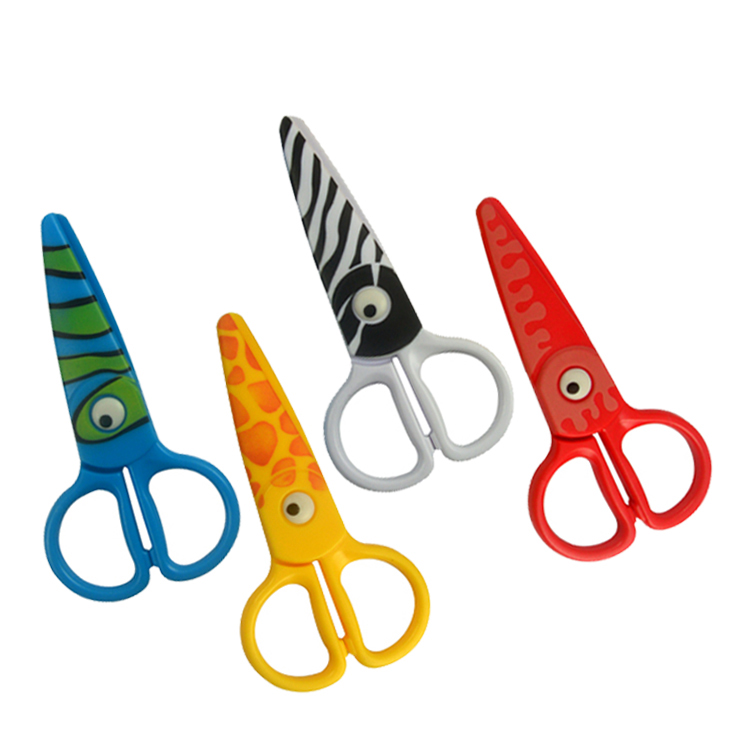
Safe kid scissors OEM sourcing is not only about choosing a colorful classroom item. For schools, educational distributors, stationery brands, and craft-kit suppliers, the right product must support children’s cutting practice while giving buyers confidence in design consistency, usability, and supplier communication. The original article highlights student scissors for classroom or home use, an OEM approach, and playful design options such as zebra-striping and aquatic patterns. This expanded guide explains how to evaluate those choices in a practical B2B purchasing process.
Because children’s products involve sensitive use cases, buyers should avoid assumptions. If a supplier does not publish a specification, ask for it directly. Do not rely on appearance alone, and do not treat words such as “safe” or “kid-friendly” as a substitute for written product details, samples, and documented quality procedures.
Key Takeaways
- Safe kid scissors OEM purchasing should begin with intended age range, classroom use case, and market requirements.
- Ask suppliers to confirm materials, blade design, handle dimensions, packaging, labeling, and any applicable testing or compliance documentation.
- Playful patterns can improve classroom appeal, but usability and consistent quality should remain the priority.
- Request samples before bulk ordering and check cutting performance, comfort, finish, and packaging accuracy.
What “Safe Kid Scissors OEM” Means
OEM, or original equipment manufacturing, generally means a supplier produces goods according to a buyer’s requested design, packaging, branding, or assortment plan. For school scissors, this may involve selecting an existing plastic student scissors model, adjusting colors, creating a themed collection, or packing the scissors for retail, classroom sets, or educational kits.
The “safe kid scissors” search intent is clear: buyers want scissors suitable for young learners. However, suitability depends on the exact product structure and target market. Important questions include whether the scissors are intended for preschool activities, elementary school craft lessons, home art projects, or promotional education packs. Each use case can affect handle size, cutting edge expectations, packaging format, and labeling language.
How to Define the Product Before Contacting a Factory
Before requesting a quotation, create a short product brief. This helps the school scissors factory or supplier respond accurately and reduces the risk of comparing unlike offers.
- User group: Specify the intended age range and whether adult supervision is expected.
- Use environment: Define classroom, home, craft-kit, bookstore, supermarket, or wholesale channel use.
- Design direction: State whether you need plain colors, assorted colors, animal patterns, aquatic patterns, zebra-style designs, or other artwork.
- Branding: Ask what branding options are available for the product, package, display box, or carton.
- Documentation: Ask which product information, test reports, or compliance documents can be provided for your market.
A clear brief allows buyers to focus discussions on measurable details rather than vague promises. It also helps suppliers identify whether an existing model can work or whether a custom OEM project is required.
Design, Ergonomics, and Classroom Usability
Children’s scissors should be evaluated from the user’s perspective. A design may look appealing online but still be difficult for small hands to control. Ask for samples and have the product checked for grip comfort, smooth opening and closing, weight, edge finish, and whether the handle shape supports the intended user group.
The original article mentions that creative designs can encourage children’s interest, including examples such as zebra-striping and aquatic patterns. These visual features are useful for classroom engagement and retail differentiation. Still, buyers should balance visual appeal with practical classroom management. For example, assorted colors can help teachers distribute supplies, but too many versions may complicate inventory control for distributors.
Supplier Evaluation Checklist
When comparing an OEM school scissors supplier, use a checklist that separates confirmed information from claims that require proof. The table below can be adapted for procurement files or supplier interviews.
| Evaluation Point | What to Ask | Why It Matters |
|---|---|---|
| Product materials | What are the handle and cutting components made from? | Material details affect performance, labeling, and market suitability. |
| Age guidance | What age range is the product designed for? | Helps match the scissors to school, home, or retail expectations. |
| Safety-related design | How are tips, edges, and opening force designed for children? | Shows whether the supplier can explain design intent clearly. |
| Quality control | What inspections are performed before shipment? | Reduces risk of inconsistent cutting, poor finish, or packaging errors. |
| OEM options | Which colors, patterns, logos, and packaging formats are available? | Clarifies whether the supplier can support private label or wholesale needs. |
| Documents | Can you provide specifications, test reports, or compliance documents for the target market? | Buyers need written evidence before making market claims. |
Questions to Ask About Quality and Compliance
It is important not to invent or assume certifications. A responsible buyer should ask direct questions and request supporting documents. For children’s scissors, ask whether the supplier can provide product specifications, material declarations, inspection records, and any testing documentation relevant to the country or region where the scissors will be sold.
If your market has special requirements for children’s stationery, toys, school supplies, packaging labels, warning statements, or chemical restrictions, share those requirements with the supplier early. Ask whether the proposed item has already been evaluated for that market or whether additional testing is needed. If a supplier cannot answer clearly, treat that as a risk to be resolved before order confirmation.
Sampling and Pre-Order Inspection
Samples are essential for safe kid scissors OEM projects. Photos can show color and shape, but they cannot confirm comfort, cutting action, or finish quality. When samples arrive, inspect them under the conditions in which they will be used. Try basic classroom materials such as paper used in craft lessons, but avoid making claims beyond what you actually test.
Buyers should check whether the scissors open and close smoothly, whether the grip feels appropriate, whether the surface finish has rough areas, and whether the printed or patterned design matches the approved artwork. For wholesale programs, also review barcode placement, carton marks, inner packing, and assortment ratios. These details can affect warehouse handling and retail acceptance.
Packaging, Branding, and Wholesale Planning
OEM sourcing often includes packaging decisions. A school buyer may prefer simple classroom bulk packs, while a distributor may need retail cards, display boxes, or mixed-color assortments. Ask the supplier which packaging options are available and what information must be supplied by the buyer, such as logo files, label text, barcode data, and destination market language.
Commercial details such as minimum order quantity, lead time, sample cost, tooling cost, and payment terms should be confirmed directly with the supplier. Do not assume these details from a general product page. If you are planning seasonal back-to-school sales, discuss production timing early and build in time for sampling, artwork approval, inspection, and shipping.
Practical FAQ
What should I confirm before ordering safe kid scissors OEM?
Confirm intended age range, materials, size, design, packaging, branding options, quality checks, and any documentation required for your destination market.
Are colorful patterns important for school scissors?
They can be useful for classroom appeal and retail differentiation. However, comfort, finish, cutting performance, and consistent production quality should come first.
Can I use my own logo or packaging?
Many OEM programs may allow branding or package customization, but options vary by supplier. Ask what artwork formats, order quantities, and approval steps are required.
How do I verify safety claims?
Ask for written specifications, sample products, inspection procedures, and any applicable test or compliance documents. Avoid making claims unless you have evidence for your target market.
Should I choose an existing model or custom design?
An existing model may shorten development time, while a custom design can support brand differentiation. Compare cost, timing, documentation, and risk before deciding.
Final Sourcing Advice
Safe kid scissors OEM sourcing works best when buyers combine creative design goals with disciplined product evaluation. Use the supplier conversation to verify facts, not to collect vague assurances. Ask clear questions, review samples carefully, and document every approved detail before production. For school, craft, and wholesale channels, that process is the best way to turn a simple student scissors product into a reliable sourcing decision.
