




Specialized Tailor Scissors: A Practical Guide for Sewing, Craft, and B2B Sourcing
Specialized tailor scissors are small tools with a large impact on sewing accuracy, fabric handling, and daily work efficiency. For a tailor, craft studio, sewing classroom, retailer, or wholesale buyer, the right scissors should match the materials being cut, the expected work volume, and the comfort needs of the user. A clean cut can reduce fabric fraying, improve pattern accuracy, and make repetitive tasks easier to control.
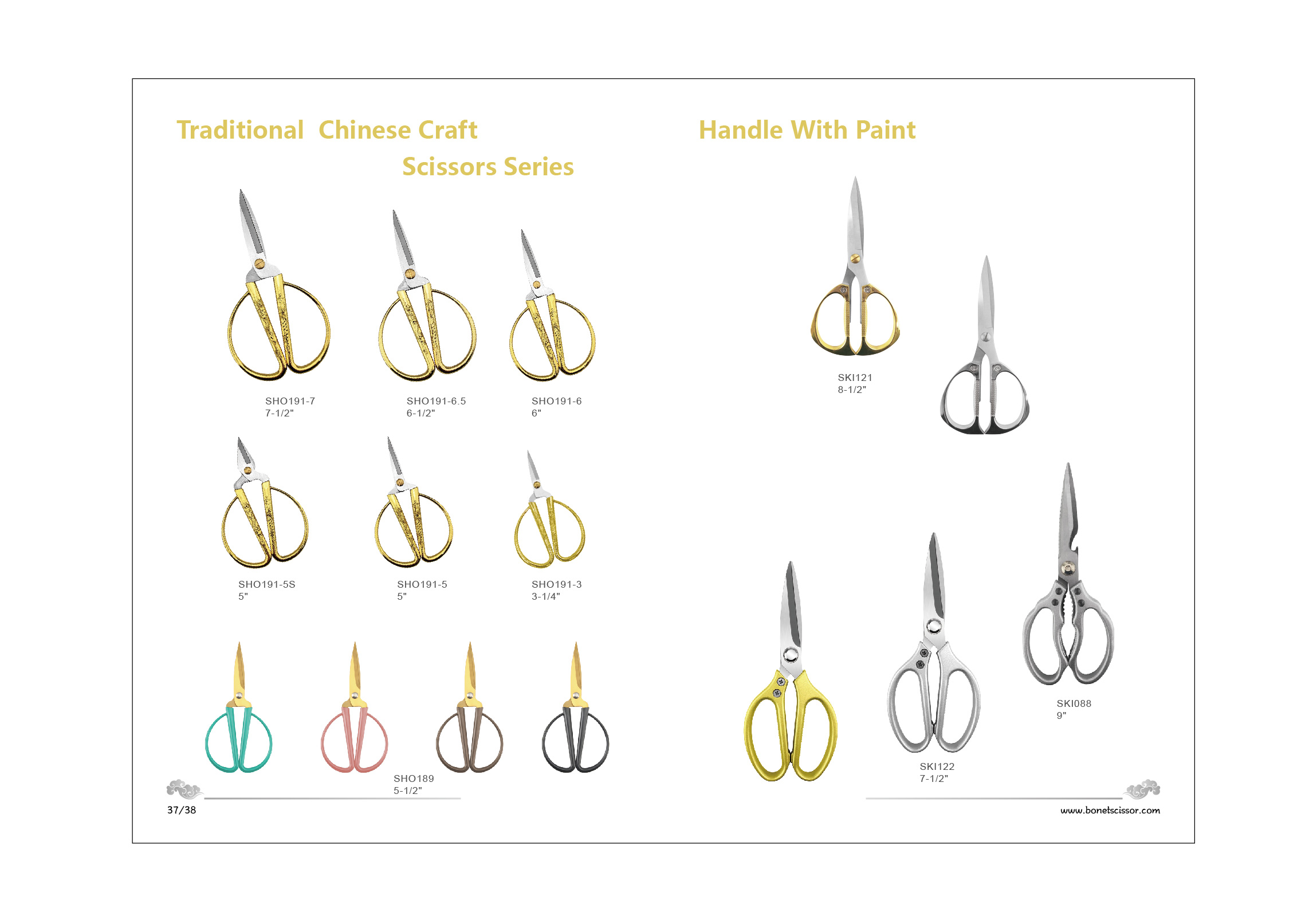
This guide rewrites the product introduction into practical selection advice. It references the series and model names shown in the original article, including the Traditional Chinese Craft Scissors Series, SH0191, SH0189, SKI121, and 9-inch SK088, while also explaining what buyers should verify before placing a sourcing order. Because product specifications can vary by production batch or customization request, commercial details such as material grade, packaging, MOQ, compliance documents, and testing should be confirmed directly with the supplier.
Key Takeaways
- Choose tailor scissors by task first: fabric cutting, seam trimming, appliqué, crafting, or heavier cutting work.
- Model size matters. The original range mentions sizes from 7-1/2 inches down to 5 inches for the SH0191 series.
- For B2B sourcing, ask about blade material, handle finish, packaging options, sample availability, lead time, and quality inspection procedures.
- Comfort is important for repeat use; evaluate grip shape, balance, opening width, and cutting resistance before bulk purchasing.
- Do not rely only on appearance. Request samples and test them on the actual fabrics or craft materials your customers use.
What Makes Tailor Scissors “Specialized”?
General household scissors may work for paper or light packaging, but tailor scissors are intended for more controlled cutting across fabric and sewing materials. A specialized pair usually focuses on blade alignment, cutting leverage, grip comfort, and a stable feel in the hand. These details help users follow pattern lines, trim seams, and cut layered fabric more consistently.
Specialization can also refer to use case. A compact 5-inch scissor may be easier for detail work, thread trimming, and craft tasks, while a larger 7-1/2 inch or 9-inch model may suit longer fabric cuts. For retailers and distributors, offering several sizes can make the range more useful to different customer groups, from home sewing beginners to small apparel workshops.
Understanding the Series Mentioned in the Product Range
The original article introduces several styles within a tailor scissors collection. The Traditional Chinese Craft Scissors Series is presented as a decorative and functional option, with the SH0191 model noted for intricate handle patterns. The article also states that this style is available in sizes from a larger 7-1/2 inch option down to a 5 inch option. That size spread may help buyers build an assortment for both general cutting and fine craft work.
For home sewing and craft use, the SH0189 models are described as colorful options available in shades such as teal and coral. Color can be useful in retail merchandising, sewing classes, and personal tool organization, especially when users want to separate fabric scissors from paper or general-purpose scissors.
The Handle With Paint series is positioned for more demanding cutting tasks. The original article mentions models such as SKI121 and the 9-inch SK088, along with ergonomic grips and robust blades. Buyers should still ask for exact specifications, recommended cutting applications, and sample testing before assuming suitability for thick fabric, multiple layers, or industrial use.
Comparison Checklist for Buyers
| Selection Point | Why It Matters | Questions to Ask a Supplier |
|---|---|---|
| Size range | Different lengths support different cutting tasks, from detail trimming to long fabric cuts. | Which sizes are available for each model, such as SH0191, SH0189, SKI121, or SK088? |
| Blade specification | Blade performance affects sharpness, durability, and cutting feel. | What blade material, hardness range, edge finish, and inspection process are used? |
| Handle design | Grip comfort influences fatigue during repeated cutting. | Can samples be tested for hand fit, balance, and comfort during extended use? |
| Finish and color | Finish affects appearance, product positioning, and retail assortment planning. | Are teal, coral, painted handles, or patterned handles available for current production? |
| Packaging | Wholesale and retail channels may need different packaging formats. | What standard packaging is offered, and are OEM packaging options available? |
| Quality control | Consistent alignment and cutting performance are essential for repeat orders. | How are sharpness, blade alignment, opening/closing action, and appearance checked? |
How to Choose Tailor Scissors by Application
For professional tailoring, prioritize stability, cutting length, and hand comfort. A larger pair can help with long straight cuts through fabric panels, but it should not feel heavy or difficult to control. For quilting, appliqué, and craft work, a smaller pair may provide better handling around curves and small shapes.
For home sewing kits, versatility is often more important than maximum cutting power. A medium-size scissor can handle common fabric cutting and seam trimming, while a smaller scissor can support detail work. Colorful models, such as the SH0189 colors mentioned in the original article, may appeal to hobby users and gift-oriented retail displays.
For school, workshop, or studio purchasing, consistency across multiple units matters. Buyers should test whether each pair opens smoothly, cuts cleanly near the tip, and feels safe for the intended user group. If the scissors will be used by beginners, ask about suitable sizes, packaging warnings, and care instructions.
B2B Sourcing Guidance for OEM, Wholesale, and Factory Direct Orders
When sourcing tailor scissors from a factory or supplier, avoid selecting only from a photo. Request a clear product sheet and physical samples. Confirm whether the model shown online matches current production, especially for decorative handles, painted finishes, and color options. If you need OEM branding, ask what parts can be customized: handle color, logo placement, hang card, blister card, inner box, carton label, or assortment set.
Commercial terms should be discussed in detail rather than assumed. Ask the supplier about MOQ, sample cost, production lead time, payment terms, export packaging, carton dimensions, and after-sales handling for defective items. If your market requires specific safety, labeling, or chemical compliance documentation, request copies before ordering and verify whether they apply to the exact product and batch you plan to buy.
- Shortlist models by use case and target price level.
- Request samples of each size and handle style.
- Test cutting on the fabrics or materials your customers actually use.
- Check appearance, alignment, sharpness, packaging, and barcode requirements.
- Confirm written specifications before approving bulk production.
Care and Use Tips for Longer Service Life
Even a good pair of tailor scissors can perform poorly if used incorrectly. Keep fabric scissors separate from paper, cardboard, wire, plastic packaging, and adhesive materials, because these can dull or contaminate the cutting edge. Wipe blades after use, especially when cutting materials that leave lint or residue. Store scissors closed in a sleeve, pouch, or safe drawer to protect the tips and reduce accidental damage.
If a pair begins to drag, fold fabric, or miss cuts near the tip, stop using it for precision work until it is inspected. Some scissors can be sharpened, but sharpening suitability depends on blade design and construction. For B2B buyers, adding simple care instructions to retail packaging can reduce misuse and improve customer satisfaction.
FAQ
Which size of tailor scissors should I choose?
Choose smaller sizes for detailed craft work and trimming, and larger sizes for longer fabric cuts. The original SH0191 range mentions sizes from 7-1/2 inches down to 5 inches, giving buyers options for different tasks.
Are colorful tailor scissors only for home use?
No. Colorful models can serve home users, sewing classes, craft retailers, and organized studios. Colors such as teal and coral, mentioned for SH0189, can also help distinguish fabric scissors from general-use scissors.
What should wholesale buyers confirm before ordering?
Confirm model availability, size, blade material, handle finish, packaging, MOQ, lead time, sample policy, inspection standards, and any documents required for your market. Do not assume specifications that are not written in the supplier’s quotation or product sheet.
Can one pair handle every sewing task?
One medium-size pair can cover many basic jobs, but many users benefit from more than one scissor: a larger pair for fabric cutting and a smaller pair for threads, seams, and detail work.
How can I evaluate samples?
Cut straight lines, curves, fabric edges, and small notches. Check whether the scissors cut cleanly from the base to the tip, whether the handles remain comfortable, and whether the finish matches your sales channel expectations.
