




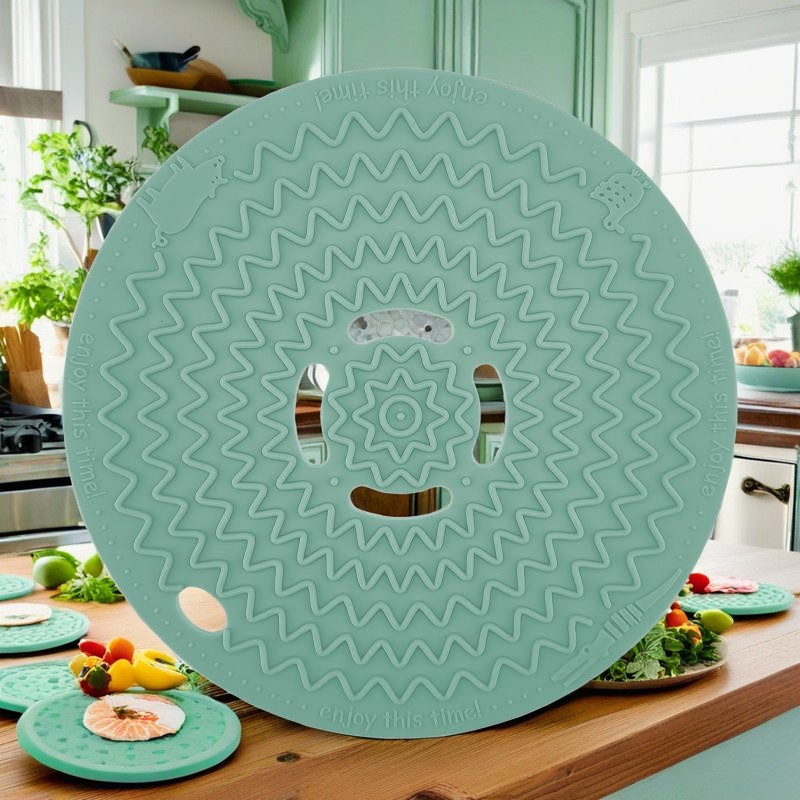
Benefits of Heat-Resistant Silicone Kitchen Mats
A silicone kitchen mat is a simple tool, but it can solve several common kitchen problems at once: hot cookware on the counter, sticky dough on the worktop, messy food preparation, and slippery jars or utensils. The original article describes silicone kitchen mats as durable, heat-resistant, easy to clean, non-stick, flexible, and suitable for multiple uses. This guide expands on those points with practical advice for choosing, using, and maintaining a mat in a home kitchen.
Because silicone mats vary by size, thickness, texture, and intended use, it is worth choosing one based on your actual cooking habits rather than only color or appearance. A good mat should fit the space where you cook, protect surfaces during normal use, and be easy to store when not needed.
Key Takeaways
- Silicone kitchen mats can help protect counters and tables from hot pots, pans, and baking trays.
- Their non-stick surface makes them useful for dough preparation, general food prep, and messy tasks.
- Flexible silicone is easy to rinse, and many mats can be placed in the dishwasher when the supplier states this is suitable.
- A textured or grippy surface can help stabilize cookware and assist with opening tight jar lids.
- Before buying, check the size, thickness, care instructions, and stated heat-use guidance from the product supplier.
What Is a Silicone Kitchen Mat?
A silicone kitchen mat is a flexible mat made for everyday kitchen tasks. It is commonly used as a protective surface under hot cookware, as a work surface for preparing dough, or as a general counter protector during food preparation. Unlike a rigid cutting board or a fabric towel, silicone can provide a non-stick working surface and a degree of grip on smooth counters.
The original product description notes that these mats are made from durable silicone and designed for multiple uses. That multi-purpose character is the main reason many home cooks keep one near the stove, oven, or baking area. Instead of reaching for a towel, trivet, parchment, or tray every time, one mat can often cover several needs.
How Heat Resistance Helps Protect Kitchen Surfaces
One of the most practical benefits of a heat-resistant silicone kitchen mat is surface protection. When a pot, pan, or baking tray comes out of the oven or off the stove, placing it directly on a countertop or table may cause marks, discoloration, or heat damage depending on the surface material. A silicone mat can act as a barrier between the hot item and the worktop.
This does not mean every silicone mat is suitable for every temperature or cooking situation. Product instructions matter. Consumers should check the supplier’s stated heat guidance and avoid using a mat in ways that are not recommended, such as direct contact with open flames, burner elements, or extremely hot cookware beyond the product’s stated limit. Used correctly, the mat can function as a trivet, pot holder surface, or resting place for oven trays during normal kitchen work.
Everyday Uses Beyond a Trivet
Silicone kitchen mats are often purchased for heat protection, but their usefulness goes further. The original article mentions using them as a rolling surface, a counter protector during spills, a non-stick surface, a placement mat for utensils, and even a grip aid for stubborn jar lids. These everyday roles make the mat helpful in kitchens where space is limited.
- Dough preparation: Use the mat as a clean surface for kneading, rolling, or portioning dough.
- Mess control: Place it under mixing bowls, spice jars, or meal-prep ingredients to reduce countertop cleanup.
- Utensil rest: Set spoons, spatulas, or tongs on the mat while cooking to keep sauces and oils off the counter.
- Jar grip: Wrap or press the mat against a tight lid to improve hand traction.
- Cookware stability: Use it under bowls or pans when a non-slip surface is helpful.
While silicone is useful, it should not be treated as a universal replacement for every kitchen tool. Do not use a general silicone mat as a cutting board unless the product is specifically described for that purpose. Sharp knife work may damage the surface and shorten the mat’s life.
Comparison: Common Kitchen Surface Protectors
| Option | Best For | Limitations | Cleaning |
|---|---|---|---|
| Silicone kitchen mat | Hot cookware, dough prep, spill control, gripping jars | Check stated heat guidance; avoid sharp cutting unless approved | Rinse, wipe, or dishwasher if supplier allows |
| Fabric towel | Quick drying, handling warm items, wiping spills | Can stain, slide, absorb liquid, and may not protect well from heat | Machine wash |
| Wood trivet | Serving hot dishes at the table | Usually not flexible; may absorb stains or odors | Hand clean and dry |
| Plastic cutting board | Knife work and food cutting | Not ideal for hot cookware; can warp under heat | Wash by hand or dishwasher if allowed |
| Parchment or baking paper | Baking and preventing sticking | Single-use or limited reuse; not a stable trivet | Discard after use |
How to Choose the Right Silicone Kitchen Mat
When selecting a silicone mat, start with where and how you will use it. A mat for placing beside the stove may need a different size than one used for rolling dough. A compact mat is easier to store, while a larger mat offers more coverage during baking or meal preparation.
Review these points before buying:
- Size and shape: Measure the counter area, baking zone, or table space where the mat will be used most often.
- Thickness and flexibility: A thicker mat may feel more protective, while a thinner flexible mat may be easier to roll or fold for storage.
- Surface texture: Smooth mats can be convenient for dough, while textured or grippy surfaces may help prevent slipping.
- Care instructions: Confirm whether the mat is dishwasher-safe or should be cleaned by hand.
- Heat-use information: Check the supplier’s recommended temperature range and any restrictions.
- Color and visibility: Bright colors can make the mat easy to find and may help separate prep zones in a busy kitchen.
Use and Care Tips for Longer Service
Silicone mats are valued because they are easy to clean. For ordinary use, wipe away food residue, rinse with warm water, and allow the mat to dry fully before storing. If the supplier states that the mat is dishwasher-safe, dishwasher cleaning may be a convenient option. For oily residue, mild dish soap and a soft sponge are usually enough.
To keep the mat in good condition, avoid dragging rough cookware across it, folding it sharply for long periods, or storing it near sharp tools. If you use it as a utensil rest, clean it after contact with sauces, oils, or raw ingredients. If you use it for dough, wash and dry it before storage so flour and moisture do not collect on the surface.
Practical FAQ
Can I put a hot pan on a silicone kitchen mat?
Yes, a heat-resistant silicone mat is commonly used under hot pots, pans, and baking trays. However, always follow the supplier’s stated heat guidance and avoid direct flame or burner contact unless the product instructions specifically allow it.
Is a silicone mat good for rolling dough?
Yes. The non-stick surface can make dough preparation easier and can help reduce mess on the counter. Light flouring may still be useful depending on the dough.
Can I cut food on a silicone kitchen mat?
Use a cutting board for knife work unless the silicone mat is specifically designed and labeled for cutting. Sharp blades can damage general-purpose silicone mats.
How do I clean a silicone kitchen mat?
Most everyday residue can be removed with warm water, mild dish soap, and a soft sponge. If the product instructions allow dishwasher cleaning, that is also an option.
Why does my mat slide on the counter?
The counter may be wet, dusty, or oily, or the mat may have residue on its underside. Clean and dry both surfaces before use. A textured underside may also improve grip depending on the product design.
Final Thoughts
A heat-resistant silicone kitchen mat is useful because it combines surface protection, food preparation support, grip, flexibility, and easy cleaning in one compact item. It can work as a trivet, a dough-prep surface, a utensil rest, and a counter protector during messy cooking. The best choice depends on your kitchen layout and habits, so compare size, thickness, texture, care instructions, and supplier guidance before purchasing.
