




How to Choose a 3-in-1 Kitchen Peeler Manufacturer
A 3-in-1 kitchen peeler is a compact utensil designed to combine several peeling and preparation tasks in one tool. For retailers, distributors, promotional product buyers, and private-label kitchenware brands, the value of this product is not only in its convenience for the end user, but also in how consistently it can be manufactured, packaged, inspected, and supplied.
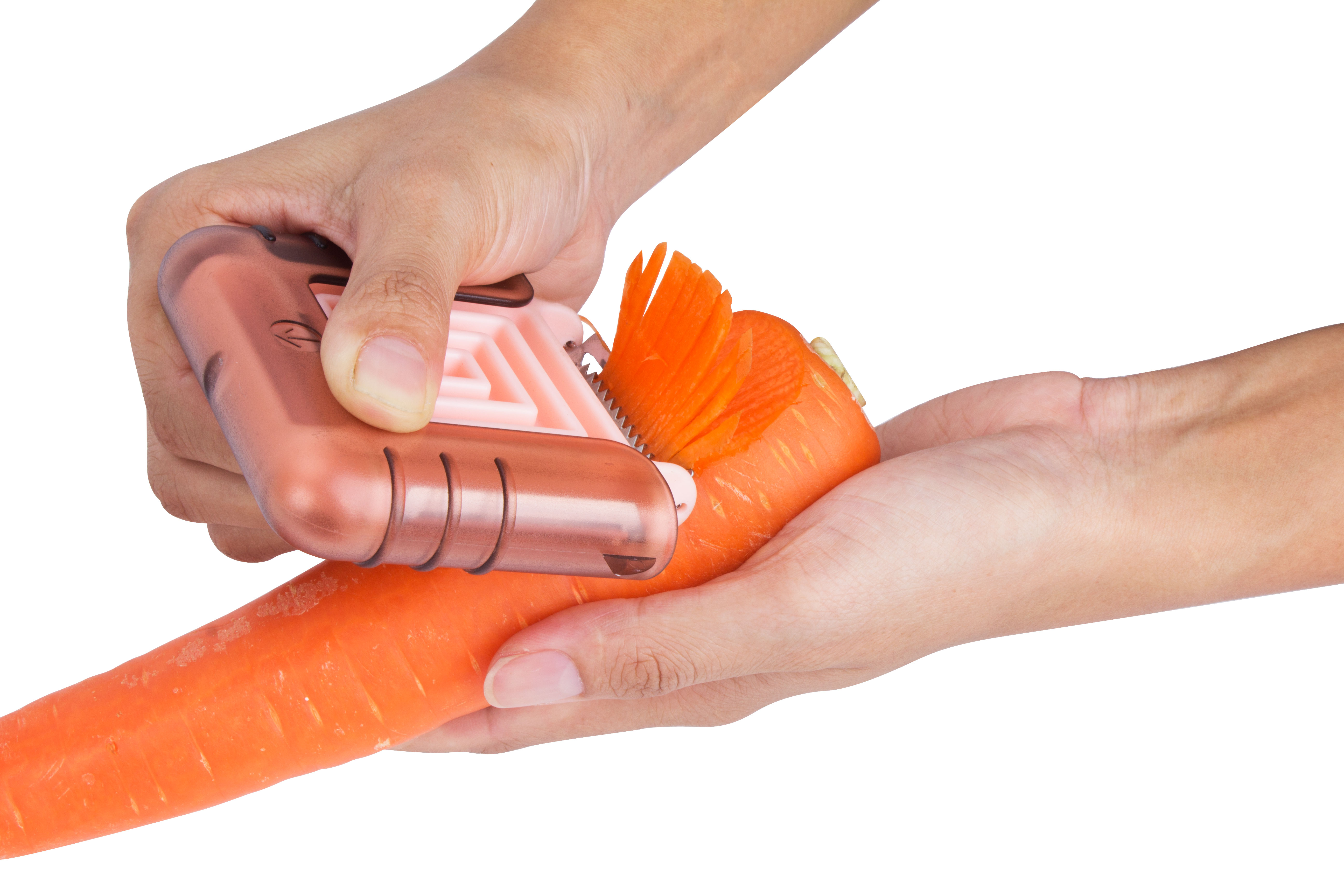
The original appeal is simple: instead of keeping several single-use gadgets in a drawer, a cook can use one peeler body with multiple blade functions. A common configuration may include a standard peeling blade for potatoes and apples, a julienne blade for carrots or zucchini, and a blade or edge intended for garnishing or more delicate preparation. However, buyers should not assume every model has the same functions, materials, or cleaning requirements. The right sourcing process starts with confirming the product details rather than relying on generic descriptions.
Why Multi-Functional Peelers Remain Popular
Kitchen tools that save space and reduce preparation steps continue to attract both home cooks and food-service users. A multi-functional peeler can be especially appealing in retail channels where consumers compare utility, drawer space, and price at a glance. The product is easy to demonstrate visually, and its benefits are understandable without a lengthy explanation.
For B2B buyers, that popularity also creates a challenge: many suppliers may offer similar-looking items. Differences in handle comfort, blade sharpness, rotation mechanism, cleaning access, packaging quality, and inspection standards can strongly affect customer satisfaction. A sourcing decision should therefore consider more than appearance.
Core Functions to Confirm Before Sourcing
Before requesting quotations, define the functions you need in plain language. Do not simply ask for a 3-in-1 peeler; ask what the three functions are and how each one is used. If the product page, sample label, or sales sheet is unclear, request photos, usage videos, and a written specification sheet.
- Standard peeling: Intended for common produce such as potatoes, apples, cucumbers, or similar foods.
- Julienne cutting: Used to create thin strips from vegetables such as carrots or zucchini.
- Garnishing or detail work: May help with decorative cuts or more delicate preparation, depending on the actual blade design.
- Grip and ergonomics: The handle should be comfortable for repeated use, especially for buyers serving professional or frequent home users.
- Cleaning access: Food residue can collect around blade housings, so ask how the product should be cleaned and whether any parts are removable.
Supplier Evaluation Checklist
A useful manufacturer conversation should go beyond catalog images. Ask direct questions and compare suppliers using the same criteria. The table below can help purchasing teams evaluate a 3-in-1 kitchen peeler manufacturer or wholesale supplier without making unsupported assumptions.
| Evaluation point | What to ask the supplier | Why it matters |
|---|---|---|
| Blade configuration | What are the exact three functions, and can you provide photos or videos of each? | Prevents mismatch between marketing claims and actual user expectations. |
| Material information | What materials are used for the handle, body, and blades? Can this be documented? | Supports product comparison, labeling accuracy, and buyer due diligence. |
| Sample consistency | Will bulk production match the approved sample in blade layout, color, finish, and packaging? | Reduces the risk of quality differences after order confirmation. |
| Packaging options | What retail, bulk, or private-label packaging options are available? | Affects shelf presentation, freight efficiency, and channel requirements. |
| Quality checks | What inspections are performed for sharpness, assembly, appearance, and packing? | Helps buyers understand how defects are controlled before shipment. |
| Commercial terms | What are the MOQ, lead time, sample cost, customization limits, and payment terms? | Allows realistic planning without assuming unavailable capacities or pricing. |
OEM and Private-Label Questions to Ask
If you plan to sell the peeler under your own brand, confirm customization details early. Private-label sourcing can involve logo placement, handle color, packaging artwork, instruction sheets, barcode labels, and carton marks. These items may sound simple, but each one can affect cost, timing, and approval steps.
Useful questions include:
- Can the supplier provide a blank template or dieline for packaging artwork?
- Where can a logo be placed, and what printing or marking methods are available?
- Are color options standard stock colors or made-to-order colors?
- How many samples are provided before mass production approval?
- Who confirms the final packaging text, warnings, and care instructions?
- Can the supplier separate product cost, packaging cost, and tooling or setup charges?
Do not rely on verbal descriptions alone. Request written confirmation and keep approved samples for comparison during inspection.
Quality Considerations for a Better User Experience
A 3-in-1 peeler is handled closely and used on irregular surfaces, so small design choices matter. A blade that feels sharp on one vegetable may perform differently on another. A handle that looks attractive in photos may not feel secure when wet. A rotating or switching mechanism should be intuitive enough that users can change functions without confusion.
For sourcing teams, sample testing should reflect real use. Try the peeler on firm vegetables, smooth-skinned fruit, and produce that requires more control. Check whether strips are consistent when using the julienne function. Look for rough edges, wobbling parts, hard-to-clean corners, or packaging that does not protect the blade during transport. If the item will be sold online, consider whether the product description and images clearly show all functions to reduce returns caused by misunderstanding.
Compliance, Documentation, and Claims
Kitchen tools that contact food may be subject to market-specific requirements. Because requirements vary by country and sales channel, buyers should ask suppliers what documentation they can provide instead of assuming compliance. Avoid adding claims to product listings unless you have supporting records.
Ask whether the supplier can provide material declarations, relevant test reports, inspection records, or other documents required by your market or retailer. If a claim such as dishwasher safety, food-contact suitability, corrosion resistance, or a specific material grade is important to your sales channel, request evidence before printing it on packaging or online listings.
Key Takeaways
- A 3-in-1 kitchen peeler should be sourced by confirmed functions, not by name alone.
- Common functions may include standard peeling, julienne cutting, and garnishing, but designs vary.
- B2B buyers should compare samples, documentation, packaging options, and inspection processes.
- Private-label projects require early agreement on logo placement, artwork, samples, and carton labeling.
- Do not publish material, safety, or performance claims unless the supplier can support them with documentation.
Practical FAQ
What should I request first from a 3-in-1 kitchen peeler manufacturer?
Request a specification sheet, clear product photos, usage video, packaging options, sample policy, MOQ, lead time, and available customization methods. Then compare physical samples before committing to bulk production.
Is every 3-in-1 peeler the same?
No. The three functions, blade layout, handle design, cleaning method, and packaging can differ between suppliers. Always confirm the exact configuration and test a sample.
Can I customize the peeler for a private-label brand?
Many suppliers may offer some form of customization, but options vary. Ask about logo methods, handle colors, packaging artwork, barcode labels, carton marks, setup costs, and approval samples.
What quality issues should buyers watch for?
Common points to inspect include blade sharpness, secure assembly, smooth edges, consistent function switching, clean packaging, correct labeling, and whether the bulk goods match the approved sample.
How can I avoid unsupported product claims?
Only use claims that are backed by supplier documents or your own testing. If you need specific material, food-contact, or cleaning claims, make them part of the quotation and approval process before production.
