




Handheld Spiralizer Guide for Everyday Kitchens
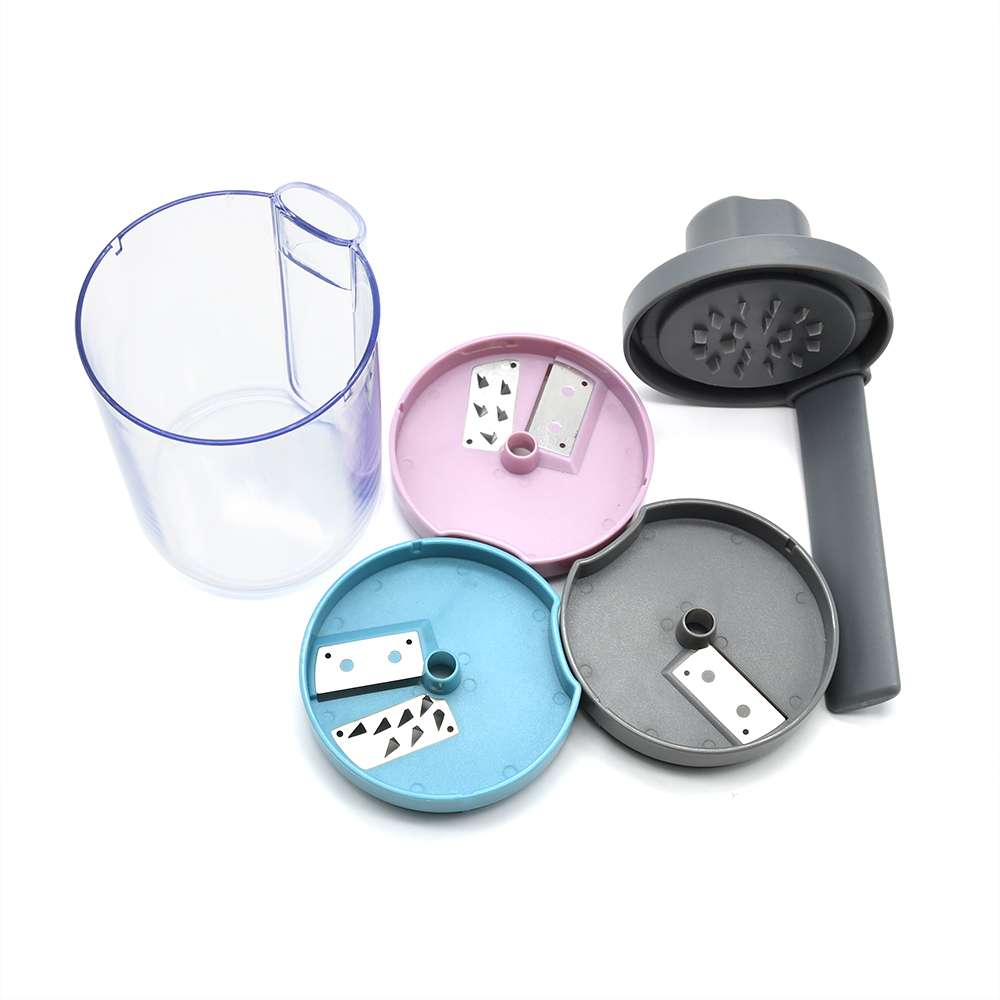
A handheld spiralizer is a compact kitchen tool designed to turn firm vegetables into spirals, ribbons, and decorative cuts. For home cooks who want vegetable noodles, quick salad toppings, or more interesting stir-fry ingredients without using a large countertop machine, it can be a practical choice. The original product description highlights common uses such as cutting zucchini and carrots into elegant spirals for salads, stir-fries, and garnishes. It also notes a portable size, an ergonomic design, sharp interchangeable blades, a transparent collection container, a simple snap-style blade change mechanism, pastel coloring, and drawer-friendly storage.
This guide explains how to evaluate a handheld spiralizer, which vegetables work best, and how to use and care for the tool safely. It is written for consumer product selection and everyday kitchen use rather than as a sales brochure.
What a Handheld Spiralizer Does Best
A handheld spiralizer is most useful when you want small to medium portions of vegetable noodles or decorative strips. It is not meant to replace every knife, grater, or food processor. Instead, it fills a specific role: creating consistent spiral shapes with less setup than larger appliances.
Common uses include zucchini noodles for lighter pasta-style dishes, carrot spirals for salads, cucumber ribbons for cold plates, and decorative vegetables for bowls or stir-fries. Because the tool is compact, it can be useful in small kitchens, shared apartments, RVs, or any setting where counter space is limited.
How to Choose the Right Spiralizer
When comparing handheld spiralizers, start with the foods you actually prepare. If you mainly make zucchini noodles once or twice a week, a compact handheld model may be enough. If you process many pounds of vegetables at a time, a larger countertop model may be more efficient.
- Blade options: Interchangeable blades can expand the tool from simple spirals to slicing, shredding, or other cuts, depending on the model.
- Grip comfort: An ergonomic shape matters because spiralizing requires twisting and steady pressure.
- Food collection: A transparent container can help keep the counter cleaner and make it easier to see how much has been prepared.
- Blade change system: A snap-style mechanism may save time, but it should feel secure before use.
- Storage size: A drawer-friendly body is helpful if you do not want another appliance on the countertop.
Before buying, check the supplier’s product page or packaging for exact blade types, cleaning instructions, material details, and any replacement part availability. Do not assume all handheld spiralizers have the same specifications.
Handheld Spiralizer Comparison Checklist
| Selection Point | Why It Matters | What to Check |
|---|---|---|
| Vegetable compatibility | Not every vegetable cuts cleanly into spirals | Look for examples such as zucchini, carrots, cucumbers, or potatoes if listed by the supplier |
| Blade sharpness and variety | Sharp blades reduce tearing and uneven cuts | Ask which blade styles are included and whether they are replaceable |
| Handle and body design | Comfort affects control and safety | Choose a shape that is easy to hold with dry hands |
| Collection container | Helps reduce mess during prep | Confirm container capacity and whether it locks firmly in place |
| Cleaning method | Food can lodge near blades | Read the care instructions and confirm whether any parts are dishwasher-safe |
| Storage | Small kitchens need compact tools | Check the overall size and blade storage arrangement |
Best Vegetables for Spiralizing
Firm vegetables usually perform best. Zucchini is a popular starting point because it cuts easily and works well as a noodle substitute. Carrots add color and crunch, though narrow carrots can be harder to center. Cucumbers are useful for cold salads, while potatoes or sweet potatoes may require more effort depending on the tool and blade.
For better results, choose vegetables that are straight, fresh, and wide enough to make contact with the blade. Very soft, hollow, or irregularly shaped produce may tear or create short pieces. Trim the ends flat before spiralizing, and cut oversized vegetables into shorter sections for better control.
How to Use a Handheld Spiralizer Safely
Sharp blades are essential for clean cuts, but they also require careful handling. Read the instructions supplied with the product before first use, especially if the tool has interchangeable blades or a container that locks into place.
- Wash the vegetable and trim both ends flat.
- Select the blade for the cut you want, making sure it is fully secured.
- Place the vegetable firmly against the cutting area.
- Twist with steady pressure rather than forcing the vegetable.
- Stop before your fingers get close to the blade, and use any included hand guard if supplied.
- Remove the spirals from the container or cutting area before they become tangled.
If a vegetable becomes stuck, stop and remove it carefully. Do not push fingers into the blade area. A brush or utensil is safer for clearing small pieces.
Cleaning and Storage Tips
Clean the spiralizer soon after use. Vegetable starch and moisture can dry around the blades, making later cleaning more difficult. Rinse away loose food particles first, then clean carefully according to the supplier’s care instructions. If the tool includes multiple blades, dry them thoroughly before storage.
A transparent container can reduce countertop mess, but it should also be checked for trapped food near seams or corners. If the product has pastel coloring or a decorative finish, avoid abrasive pads unless the care label says they are safe. Store the spiralizer with blades protected, especially in drawers where hands may reach in quickly.
Key Takeaways
- A handheld spiralizer is best for small batches of vegetable noodles, salad toppings, stir-fry ingredients, and garnishes.
- Useful features to compare include interchangeable blades, comfortable grip, a transparent container, secure blade changes, and compact storage.
- Firm, straight vegetables such as zucchini and carrots are usually easier to spiralize than soft or uneven produce.
- Cleaning and safe blade storage are just as important as cutting performance.
Practical FAQ
Can a handheld spiralizer replace a countertop spiralizer?
For occasional portions, yes, it may be enough. For large-volume meal prep, a countertop model can be faster and less tiring.
What vegetables should beginners try first?
Zucchini is the easiest starting point. Carrots and cucumbers are also common choices, but very thin or curved vegetables can be harder to control.
Are interchangeable blades worth it?
They are useful if you want more than one cut style, such as spirals, slices, or shreds. Make sure the blade mechanism feels secure and easy to clean.
How do I reduce watery zucchini noodles?
After spiralizing, lightly salt the zucchini and let it rest for a few minutes, then pat dry. Avoid overcooking, because zucchini releases moisture quickly.
What should I ask before buying?
Ask which blades are included, how the container attaches, whether replacement blades are available, what materials are used, and what cleaning method the supplier recommends.
