




How to Find a Quality Kitchen Utensil Supplier
Choosing a kitchen utensil supplier is not only about finding a low unit price. For retailers, distributors, hospitality buyers, and private-label brands, the better question is whether a supplier can provide products that fit your market, remain consistent across batches, and support clear communication before and after purchase. A multi-purpose stainless steel grater set is a useful example because it looks simple, but it involves sharpness, handle comfort, blade variety, packaging, cleaning expectations, and end-user safety instructions.
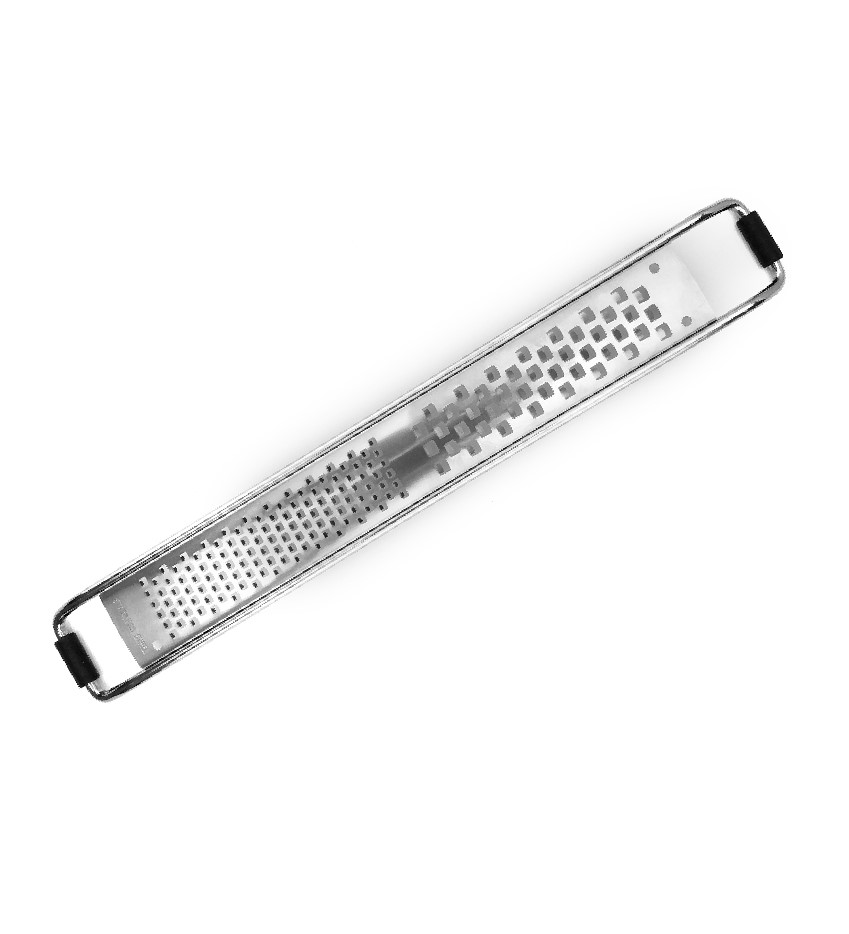
This guide explains how to evaluate a kitchen gadget supplier for practical sourcing decisions. It also uses the grater set described in the original product information, including multiple stainless steel grater blades labeled A to F and an ergonomic handle, to show what buyers should review before placing wholesale or OEM inquiries.
Key Takeaways
- Assess a supplier by product consistency, communication, documentation, packaging options, and after-sales response.
- For grater sets, confirm blade functions, sharpness expectations, handle design, cleaning guidance, and replacement policy.
- Do not assume material grade, certifications, MOQ, lead time, or test results; ask the supplier to provide written confirmation.
- Use samples and comparison checks before committing to a larger wholesale or private-label order.
Start With Your Market and Use Case
Before contacting a kitchen utensil supplier, define where and how the product will be sold. A grater set for a supermarket promotion may need different packaging and price positioning from a set intended for a cookware boutique, restaurant supply catalog, or online marketplace. Buyers should prepare a short sourcing brief that includes target customer, expected retail channel, preferred packaging, estimated order quantity, required languages on instructions, and any market-specific compliance questions.
For a stainless steel grater set, the use case matters. Home cooks may value easy storage and comfortable handling. Foodservice buyers may focus on repeat use, cleaning routines, and whether each blade type performs consistently with common ingredients. Gift or promotional channels may care more about clear blade labeling and attractive presentation. The supplier can respond more accurately when these details are provided early.
What to Look for in a Kitchen Utensil Supplier
A reliable supplier should be able to answer questions clearly, provide product photos or samples, and explain what can and cannot be customized. If you are sourcing for OEM, wholesale, or brand distribution, ask whether the supplier can support your packaging format, barcode needs, instruction sheets, carton markings, and quality inspection requirements. Avoid relying on assumptions or generic claims.
Useful supplier evaluation questions include:
- What material is used for the grater body and blades, and can this be confirmed in writing?
- Are samples available before bulk ordering, and are they from current production?
- What packaging formats are available for wholesale, retail, or private-label projects?
- How are blade sharpness, handle assembly, and surface finish checked during production?
- What are the expected lead time, MOQ, payment terms, and replacement process for defective goods?
- Can the supplier provide any documents required for your destination market, if applicable?
Using a Stainless Steel Grater Set as a Sourcing Example
The original product information highlights a multi-purpose stainless steel grater set with several blades for different tasks. This is helpful because a buyer can evaluate whether the set has enough functional range for the intended customer. Blade A is described as suitable for fine zesting, such as citrus peel or hard cheese. Blade D is described for fine shredding carrots or ginger for sauces. Blade E is suitable for coarser vegetables such as zucchini, including baking preparation. Blade B produces uniform shreds, useful for potato hash browns. Blade C slices fruits and vegetables into even thin pieces for salads or chips. Blade F is intended for medium shreds, such as ingredients for gratins.
These details should be checked against a physical sample. Test each blade with the ingredients your customers are likely to use. Review whether the cut size is consistent, whether food catches in the blade, whether the handle remains comfortable, and whether the product is easy to rinse and dry. The original article also mentions an ergonomic handle and easy cleaning and storage, so buyers should verify the shape, grip, hanging or nesting options, and any care instructions supplied with the product.
Comparison Checklist for Supplier Selection
| Evaluation Area | What to Check | Questions to Ask the Supplier |
|---|---|---|
| Product function | Blade range, cutting consistency, intended ingredients | Can you provide a blade function chart and current sample set? |
| Material information | Stainless steel description, handle material, finish | What exact materials are used, and can they be documented? |
| Quality control | Sharp edges, burrs, loose parts, handle fit | What inspection steps are used before shipment? |
| Packaging | Retail box, instruction sheet, labeling, carton strength | What packaging options are available for wholesale or OEM orders? |
| Commercial terms | MOQ, lead time, payment terms, replacement policy | What terms apply to this product and order quantity? |
| Market requirements | Destination rules, language, documentation | Can you support the documents required for our market? |
Sample Testing Before Wholesale Orders
Sample testing is one of the most important steps when selecting a kitchen gadget supplier. A grater may appear acceptable in photos, but performance depends on blade sharpness, stability, and finishing. Test samples with citrus, hard cheese, carrots, ginger, potatoes, zucchini, and other relevant foods. If your business sells to consumers, also assess how easy the tool is to understand without demonstration.
During testing, document each issue with photos or short videos. Share feedback with the supplier and ask whether improvements are possible before production. If a supplier offers OEM packaging or private-label support, request a packaging sample as well. Check instruction clarity, warning statements, blade labeling, and whether the set can be packed securely to reduce damage in transit.
Commercial and Compliance Questions to Clarify
Buyers should not assume that a kitchen utensil supplier has a specific production capacity, certification, test report, or compliance status unless it is provided directly. Requirements vary by destination market and product category. For food-contact kitchen tools, ask the supplier what documentation is available and whether it matches your sales region. If you need third-party testing, clarify who arranges it, who pays for it, and whether production samples or pre-shipment samples will be tested.
Commercial details should also be confirmed in writing. Ask about MOQ, price validity, lead time, Incoterms, payment schedule, tooling or artwork charges, carton dimensions, and defect handling. For repeat orders, confirm whether the supplier can keep the same blade design, packaging, and component finish over time. Consistency is especially important for distributors and e-commerce sellers who rely on stable product reviews and replacement compatibility.
How to Build a Better Supplier Relationship
A good sourcing relationship is based on specific communication. Instead of asking for a general kitchen utensil catalog and choosing by price alone, send a product brief and request comparable options. If the stainless steel grater set is the focus, specify whether you need all six blade types, a particular packaging style, instruction languages, and any branding requirements. Ask the supplier to identify which features are standard and which require customization.
After sample approval, create a written specification file. It can include product photos, blade descriptions, handle appearance, packaging artwork, carton markings, inspection criteria, and approved sample references. This reduces misunderstandings when orders are repeated or when your internal purchasing team changes.
Practical FAQ
What makes a kitchen utensil supplier suitable for B2B purchasing?
A suitable supplier provides clear product information, current samples, stable communication, packaging options, written commercial terms, and a process for handling quality issues. For OEM or wholesale orders, documentation and consistency are as important as price.
Is a stainless steel grater set better than a single grater?
It depends on the customer. A set with multiple blades can cover zesting, slicing, fine shredding, coarse shredding, and medium shredding. A single grater may be enough for a narrow use case, but a set can be more attractive when versatility is important.
What should I test in a grater sample?
Test each blade with real ingredients, check cut consistency, look for burrs or rough edges, review handle comfort, confirm cleaning instructions, and inspect packaging strength. Keep records so supplier feedback is specific.
Can I request private-label packaging?
Many suppliers may offer OEM or private-label options, but you should ask directly. Confirm MOQ, artwork format, packaging cost, sample approval process, and whether any branding changes affect lead time.
What information should not be assumed?
Do not assume material grade, certifications, testing results, MOQ, production capacity, prices, or delivery dates. Request written confirmation from the supplier and verify any documents needed for your target market.
