




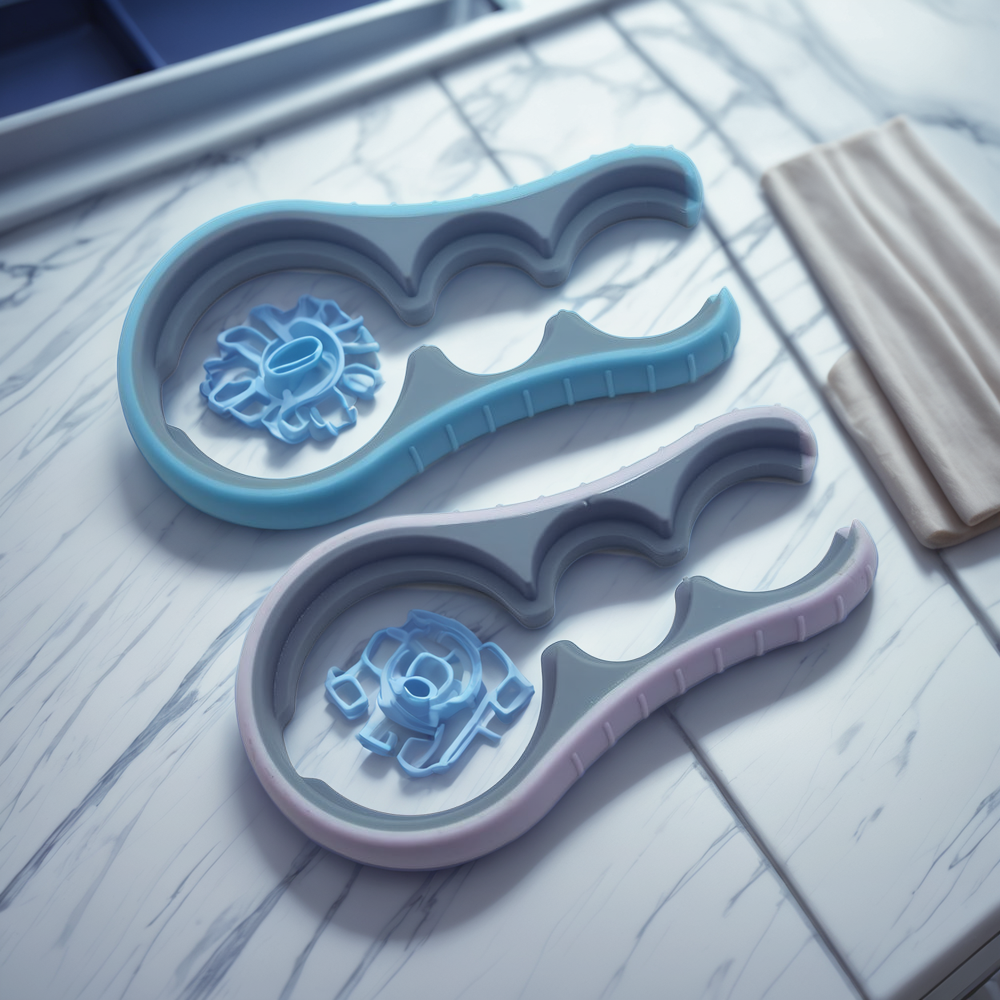
Multi-Functional Jar Opener: A Practical Guide to Easier Lid Opening
A tightly sealed jar can turn a simple meal into an annoying task. Jam jars, pickle jars, sauce bottles, and condiment containers may be difficult to open because of vacuum sealing, slippery glass, cold lids, or limited hand strength. A multi-functional jar opener is designed to reduce that struggle by improving grip and leverage, so you can apply force more safely and consistently.
The Multi-Grip Jar Opener described in the original product introduction focuses on everyday kitchen convenience. It uses nested grooves for different lid sizes, a contoured handle, ergonomic grooves, a molded grip texture, and a dual-layer build that combines non-slip rubber with a solid plastic frame. It is also described as lightweight, compact, and available in soft pastel tones such as blue and lavender. This guide explains how to evaluate those features, when this type of opener is useful, and how to use and maintain it properly.
Key Takeaways
- A multi-functional jar opener helps increase grip and torque when opening stubborn lids.
- Nested grooves are useful when your kitchen includes jars and containers in several lid sizes.
- Non-slip contact material, handle shape, and grip texture matter more than appearance alone.
- For best results, keep the opener clean, dry, and stored where it will not be bent or damaged.
Why Jar Lids Become Difficult to Open
Many jars are sealed under pressure to protect the contents before first use. That seal is helpful for storage, but it can create resistance when you twist the lid. Food residue, moisture, or oil around the rim can also make a lid slippery. If the jar has been refrigerated, temperature changes may tighten the seal further. For people with sore hands, arthritis, reduced grip strength, or frequent cooking tasks, even a normal lid can feel difficult.
Some common tricks, such as tapping a lid with a knife or forcing it with a cloth, can work occasionally but may damage the lid, chip glass, or create a safety risk. A purpose-built opener gives you a more controlled way to hold the lid and turn it without relying only on finger strength.
How a Multi-Grip Jar Opener Works
A multi-grip opener typically fits over the lid and uses shaped openings or grooves to match several lid diameters. Once the lid is seated inside the correct groove, the user holds the handle and twists. The larger handle helps increase leverage, while the non-slip contact surface helps reduce sliding.
In this type of design, the nested grooves are important because one kitchen may include small condiment jars, medium jam jars, and larger containers. The opener does not need to be complex to be useful; it needs to hold the lid securely, feel stable in the hand, and allow controlled turning. A contoured handle and molded grip texture can improve comfort, especially when opening several jars while cooking or meal prepping.
Feature Checklist Before You Choose One
Not every opener suits every kitchen. Use the checklist below to compare practical details before buying or specifying a similar product for home use, retail selection, or kitchen accessory sourcing.
| Feature | Why It Matters | What to Check |
|---|---|---|
| Groove range | Determines how many lid sizes the opener can handle. | Check whether it fits the jars you use most often, from small condiment lids to larger containers. |
| Non-slip contact | Helps the opener grip the lid instead of sliding. | Look for rubber or similar grip material where the tool touches the lid. |
| Handle shape | Affects comfort and turning control. | Choose a contoured handle that feels stable rather than sharp or narrow. |
| Frame support | Helps the tool keep its shape during twisting. | Confirm that the frame feels sturdy and does not flex excessively under normal use. |
| Storage size | Kitchen drawers can be crowded. | Pick a compact profile if you want it stored with other utensils. |
Who Benefits Most from This Kitchen Tool?
A jar opener can be helpful for almost any household, but it is especially practical for people who open sealed containers frequently. Home cooks, older adults, people with reduced hand strength, and anyone who prepares sauces, preserves, or pickled foods may appreciate the added grip. It can also be useful in shared kitchens, where different users may have different levels of hand strength or comfort.
Because the opener is lightweight and compact, it can be kept in a drawer near other everyday tools instead of stored away with specialty gadgets. The soft blue or lavender color options mentioned in the original description may make it easy to spot in a drawer, but color should be considered secondary to grip, fit, and comfort.
How to Use a Multi-Functional Jar Opener Safely
- Place the jar on a stable, dry surface before opening.
- Choose the groove that best matches the lid size. The lid should sit firmly inside the opener.
- Hold the jar with one hand and the opener handle with the other.
- Twist steadily rather than jerking suddenly. Controlled pressure reduces slipping.
- If the opener slips, stop and reposition it instead of forcing the handle.
If a jar has food residue or oil on the lid, wipe it first. A dry lid improves contact between the non-slip material and the metal or plastic cap. If the jar is damaged, cracked, or bulging, do not try to force it open; check the food safety condition before handling it further.
Care, Cleaning, and Storage Tips
Simple care helps keep a jar opener reliable. After use, wipe away moisture, oil, or sauce from the grooves and handle. If it needs deeper cleaning, wash it according to the supplier’s care instructions. Avoid leaving food residue in the grip areas because buildup can reduce friction over time.
Store the opener flat in a drawer or hang it if the design allows. Do not wedge it under heavy cookware or bend the frame, as that may affect how well the grooves align with lids. If the rubber contact area becomes worn, hardened, or loose, it may no longer grip effectively and should be replaced.
Questions to Ask When Comparing Similar Products
If you are choosing a jar opener for a household, retail assortment, or promotional kitchenware range, avoid relying only on photos. Ask practical questions that connect directly to everyday use. What lid diameters does it fit? What materials are used in the contact surface and frame? How should it be cleaned? Is the handle comfortable for both smaller and larger hands? Are sample units available for evaluation? These questions help confirm whether the design matches the intended users.
For wholesale or OEM sourcing, buyers should also ask suppliers about packaging options, available colors, order requirements, lead times, quality inspection process, and any applicable documentation. Do not assume capacity, compliance, or material grade unless the supplier provides clear written information.
FAQ
Can one opener fit every jar lid?
No tool can be guaranteed to fit every lid. A nested-groove opener is intended to cover a range of common sizes, so check the lid range before purchase.
Is it only for glass jars?
It is mainly used for jar and container lids. Depending on the lid size and shape, it may help with some bottles or plastic containers, but fit should be tested.
Will it help if I have weak hands?
It may help by improving leverage and grip, but it does not eliminate the need for some twisting force. Choose a handle shape that feels comfortable and stable.
How do I stop it from slipping?
Use the closest-fitting groove, wipe moisture or oil from the lid, and apply steady pressure. If it slips, reposition it rather than forcing it.
What should I prioritize when buying?
Prioritize lid-size compatibility, non-slip contact, handle comfort, and sturdy construction. Color and styling are useful, but performance should come first.
