




Discover the Best Multi-Functional Kitchen Scissors
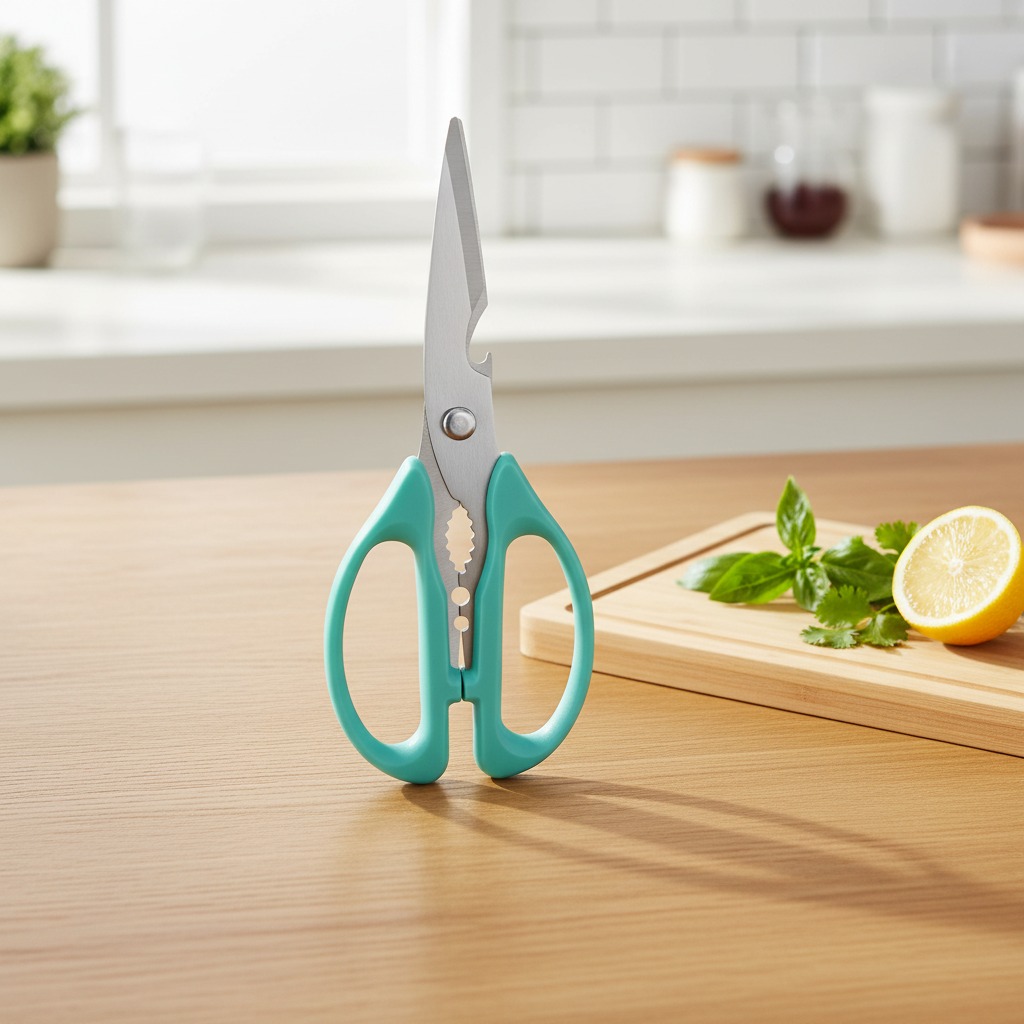
Multi-functional kitchen scissors are a small tool with a large role in daily food preparation. They can trim herbs, cut packaging, portion cooked food, help break down poultry, and reduce the need to reach for a knife and cutting board for every task. For households, the goal is simple: choose scissors that feel safe, sharp, and easy to clean. For retailers, importers, and private-label buyers, the decision also involves supplier reliability, packaging options, quality consistency, and the questions that should be answered before placing an order.
Key Takeaways
- Choose kitchen scissors based on cutting performance, comfort, cleanability, and intended use rather than appearance alone.
- Common multi-functional features include serrated cutting edges, bottle-opening functions, and nut-cracking areas, but each feature should be checked for real usability.
- For OEM kitchen scissors, buyers should confirm materials, finish, packaging, labeling, sample approval, and inspection standards with the supplier.
- High quality kitchen scissors should feel stable in the hand, cut consistently, and be simple to wash and dry after use.
What Makes Kitchen Scissors Multi-Functional?
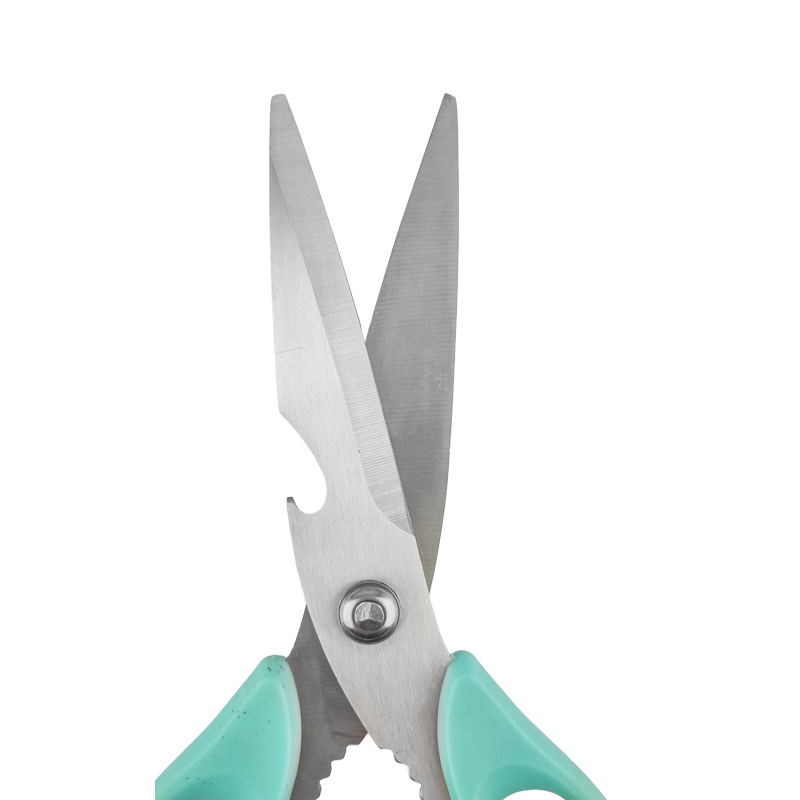
A basic pair of scissors cuts. A multi-functional pair is designed to handle several kitchen tasks with one tool. The original article highlights features such as sharp or serrated edges, ergonomic handles, a bottle opener, and a nutcracker function. These are useful additions when they are integrated well, but they should not compromise the main purpose of the product: safe, controlled cutting.
In practical use, kitchen scissors may be used for trimming green onions, cutting herbs directly into a bowl, opening food packaging, slicing cooked noodles, or cutting smaller pieces of meat. Some users also rely on them for poultry preparation, although that requires especially careful cleaning afterward. A removable or separable blade design can make cleaning easier, but buyers should verify whether a specific model offers that feature before promoting it.
How to Evaluate Cutting Performance
Cutting performance depends on blade alignment, edge sharpness, blade thickness, and handle leverage. Stainless steel blades were mentioned in the original content, so buyers can reasonably look for that material category, while still asking the supplier which steel type is used and how it is finished. Do not assume a specific grade, hardness, coating, or test result unless the supplier provides documentation.
When testing samples, cut several common kitchen materials: herbs, thin plastic packaging, cooked food, and a tougher item such as poultry skin or thick stems. The blades should meet cleanly from pivot to tip without crushing soft ingredients or slipping sideways. If the scissors feel stiff, loose, or uneven during a basic sample test, that issue may become more noticeable in bulk orders.
Comfort, Safety, and Everyday Handling
Ergonomic handles were also noted in the original article. In real selection, handle comfort matters because kitchen scissors are often used with wet hands, oily fingers, or quick repetitive movements. The finger openings should not pinch, the grip should provide enough control, and the tool should not feel top-heavy. If the product is intended for a retail line, consider whether the handle size suits a broad range of users.
Safety is not only about sharpness. A very sharp tool with poor grip design can be difficult to control. The pivot should feel secure, and any added opener or cracker feature should not create uncomfortable pressure points. Buyers should ask whether the scissors come with a blade cover, hanging card, blister packaging, or other retail-safe presentation if the product will be sold in stores or shipped directly to consumers.
Comparison and Selection Checklist
| Selection point | What to check | Why it matters |
|---|---|---|
| Blade material | Ask the supplier to identify the stainless steel type and finish | Helps assess rust resistance, durability, and positioning |
| Cutting edge | Test herbs, packaging, cooked food, and tougher ingredients | Shows whether the scissors perform across daily kitchen tasks |
| Handle design | Check grip comfort with dry and slightly wet hands | Improves control and reduces fatigue during repeated use |
| Extra functions | Verify bottle opener or nutcracker areas on physical samples | Prevents marketing features from being decorative only |
| Cleaning method | Ask whether blades separate and what care instructions apply | Supports hygiene and longer product life |
| OEM readiness | Confirm logo, color, packaging, sample, and inspection options | Reduces sourcing risk for private-label or wholesale projects |
OEM and Wholesale Sourcing Guidance
For brands and distributors, OEM kitchen scissors can be attractive because they may allow customization in handle color, packaging, branding, and feature combinations. However, buyers should keep commercial discussions specific. Instead of assuming production capacity, minimum order quantity, lead time, certifications, or testing results, request these details directly from the supplier and keep written confirmation.
Before moving beyond a sample, prepare a short product brief. Include target market, preferred handle color, blade finish expectations, packaging style, barcode or label needs, carton marking requirements, and any compliance or documentation required in the destination market. If the scissors will be promoted as high quality kitchen scissors, define what that means in measurable terms: smooth pivot action, consistent blade alignment, acceptable cosmetic limits, packaging strength, and agreed inspection criteria.
- Request product photos, current specifications, and available customization options.
- Order samples and test the same tasks your end users are likely to perform.
- Confirm whether logos, colors, and packaging can be customized.
- Ask what inspection process is used before shipment.
- Clarify care instructions and any documentation needed for your sales market.
Use and Care for Longer Service Life
Even good kitchen scissors need proper care. Wash the blades after contact with meat, seafood, sauces, or sticky foods. Dry them promptly, especially around the pivot area where moisture can remain. If the supplier provides dishwasher guidance, follow it; if not, hand washing is the safer recommendation for preserving edge condition and handle appearance.
Avoid using kitchen scissors on bones, frozen food, wire, or hard non-food materials unless the supplier clearly states that the product is designed for those uses. Multi-functional does not mean indestructible. Keeping the scissors within their intended use helps maintain cutting performance and reduces the chance of blade damage or handle stress.
Questions to Ask a Kitchen Scissors Supplier
Clear questions help buyers avoid vague product claims. Ask what blade material is used, whether the blades are serrated, what handle material and colors are available, and whether the scissors include the bottle opener or nutcracker functions shown in samples. For OEM projects, ask about logo placement methods, packaging formats, sample approval steps, production lead time, minimum order quantity, and pre-shipment inspection options.
If compliance is important for your market, ask the supplier what documents they can provide and whether any testing has been performed by recognized laboratories. Do not rely on general claims. The safest approach is to review the actual documents, confirm they apply to the product being purchased, and decide whether additional testing is required for your business.
Practical FAQ
What are multi-functional kitchen scissors used for?
They are used for common kitchen cutting tasks such as trimming herbs, cutting packaging, portioning cooked food, and sometimes preparing poultry. Extra functions may include a bottle opener or nutcracker area, depending on the model.
Are stainless steel blades always the best choice?
Stainless steel is a common and practical choice for kitchen tools, but buyers should still ask which steel type is used, how it is finished, and what care instructions apply.
What should OEM buyers confirm before ordering?
Confirm material details, sample quality, customization options, packaging, MOQ, lead time, inspection method, and any required compliance documents. These details should come from the supplier in writing.
How should kitchen scissors be cleaned?
Wash after use, remove food residue from the pivot area, and dry promptly. Follow supplier instructions for dishwasher use if they are provided.
How can retailers compare different models?
Test samples on realistic kitchen tasks, compare handle comfort, inspect blade alignment, check packaging quality, and confirm whether advertised features are useful rather than decorative.
