




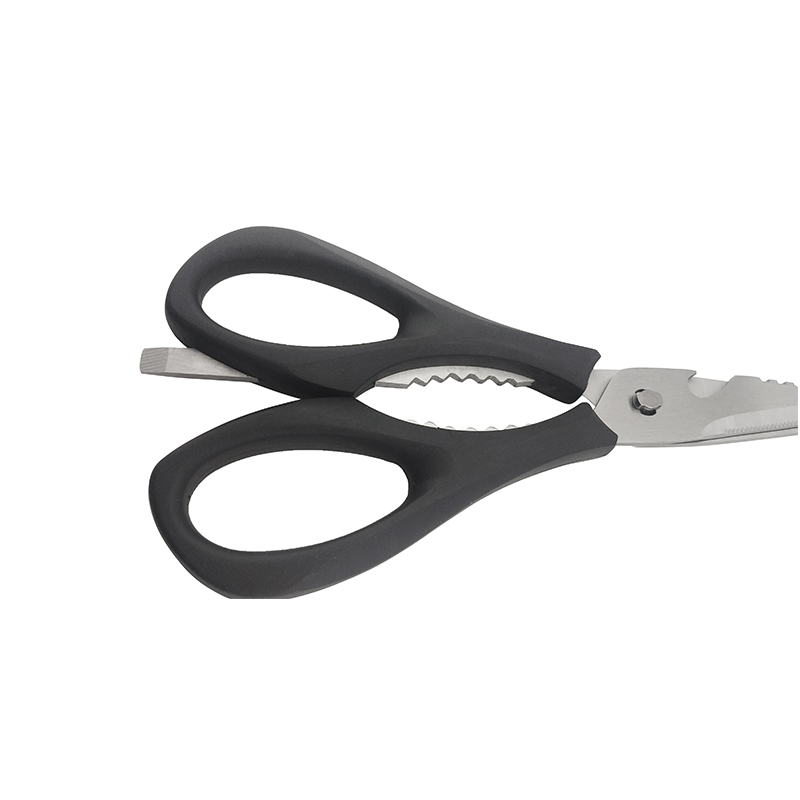
Multi-Functional Kitchen Scissors: A Practical Buying and Sourcing Guide
Multi-functional kitchen scissors are often treated as a small accessory, but they can affect prep speed, cleaning routines, and user comfort in both home kitchens and commercial product lines. A good pair can cut herbs, open food packaging, portion pizza, trim small pieces of meat, and handle other daily tasks without reaching for several separate tools. For retailers, distributors, and OEM buyers, the decision is not only about sharpness. It is also about cleanability, handle comfort, safety, packaging expectations, and the questions you ask before placing an order.
Key Takeaways
- Choose kitchen scissors based on real tasks: food prep, packaging, poultry trimming, herbs, or multi-use home utility.
- Detachable handles can make cleaning easier, but buyers should confirm how the parts lock, separate, and reassemble.
- Built-in tools such as a nutcracker, bottle opener, or screwdriver tip can add value when they match customer needs.
- For OEM kitchen scissors, ask for confirmed material details, packaging options, sample policy, lead time, and quality inspection process.
- Avoid judging scissors by appearance alone; comfort, blade alignment, edge retention, and cleaning access matter more in daily use.
What Makes Kitchen Scissors Truly Multi-Functional?
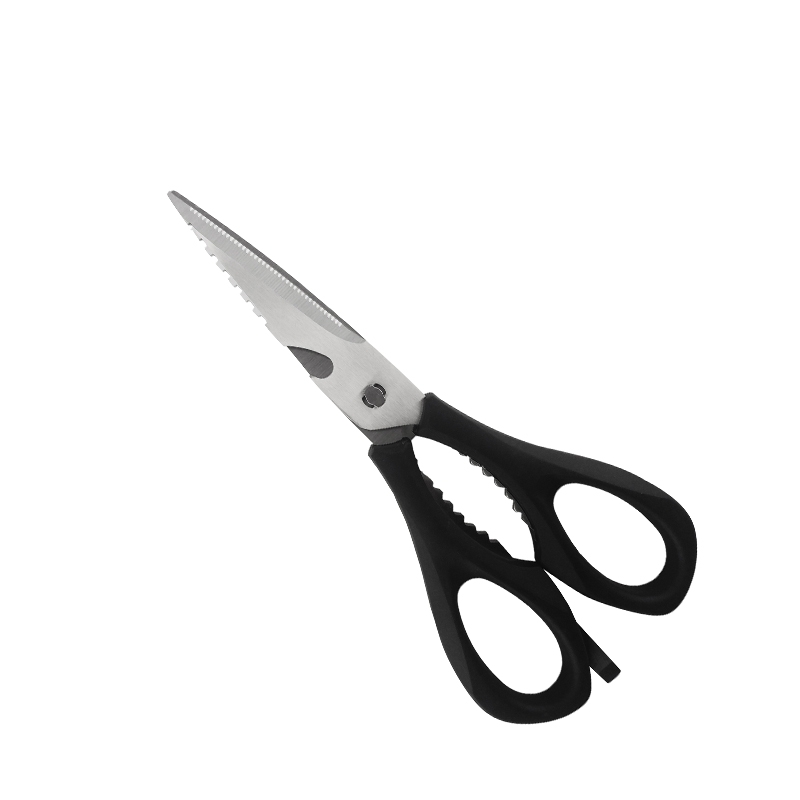
Multi-functional kitchen scissors combine a cutting function with additional practical features. The original product description highlights several possible functions, including detachable handles, stainless steel blades, a micro-serrated edge, non-slip grips, and built-in tools such as a nutcracker, bottle opener, and screwdriver tip. These features can be useful, but they should be evaluated in context.
For example, a micro-serrated edge may help grip slippery foods, while a smooth blade can feel easier for certain clean cuts. A bottle opener may be valuable in a camping or outdoor kitchen set, but less important for a professional bakery. The best choice is the one that matches the buyer’s intended use, not the longest feature list.
Detachable Handle Design and Cleaning Considerations
Detachable kitchen scissors are popular because food residue can collect near the pivot area. If the two halves separate, users can wash and dry the blades more thoroughly. This is helpful for hygiene and long-term maintenance, especially when scissors are used on herbs, meat, seafood, or sticky packaging.
However, detachable construction should be assessed carefully. A sourcing buyer should ask how the scissors separate, whether the mechanism feels secure during cutting, and whether the reassembled blades align consistently. If the product is intended for retail, instructions should be clear enough for end users to disassemble, clean, dry, and reconnect the scissors without confusion.
Feature Comparison Checklist
The following checklist can help home buyers, wholesalers, and OEM purchasers compare options more objectively before selecting a model.
| Feature to Review | Why It Matters | Questions to Ask |
|---|---|---|
| Blade material | Affects cutting performance, corrosion resistance, and care requirements. | What material is used, and can the supplier provide a specification sheet? |
| Detachable structure | Improves access for cleaning around the pivot area. | How does it detach, and does the lock remain stable during use? |
| Handle grip | Impacts comfort and control for different users. | Is the grip non-slip, and is it comfortable for left- and right-handed users? |
| Micro-serrated edge | Can help hold slippery foods while cutting. | Is the serration on one blade or both, and what tasks is it designed for? |
| Built-in tools | Adds utility but may also affect weight and cleaning. | Are the nutcracker, bottle opener, or screwdriver tip required by the target market? |
| Packaging | Important for retail display, shipping protection, and branding. | What packaging formats are available, and can artwork be customized? |
How Consumers Should Choose and Use Kitchen Scissors
For home cooks, the right kitchen scissors should feel balanced and easy to control. Before buying, consider the foods and materials you cut most often. If you mainly cut herbs, salad greens, and packaging, a lightweight pair may be enough. If you cut poultry joints, thicker vegetables, or pizza, you may prefer stronger handles and a blade shape that gives more leverage.
Use-and-care habits are just as important as the initial purchase. Wash scissors soon after cutting food, especially proteins or acidic ingredients. If the model is detachable, separate the parts according to the supplier’s instructions, clean the pivot area, and dry thoroughly before storage. Avoid using kitchen scissors on hard non-food materials unless the supplier states they are suitable for that purpose, because misuse can damage the edge or loosen alignment.
OEM and Wholesale Sourcing Guidance
For importers, brand owners, and kitchenware distributors, OEM kitchen scissors can support private-label programs or customized product lines. The original article mentions OEM kitchen scissors as a custom solution, but commercial details such as minimum order quantity, production capacity, certifications, testing results, and pricing are not provided. Buyers should request those details directly from the supplier instead of assuming them.
When preparing an inquiry, be specific. Share the intended market, target retail channel, packaging needs, color preferences, logo placement, and whether the scissors are for household, promotional, or professional use. If you need detachable handles, a bottle opener, nutcracker, or screwdriver tip, state which functions are required and which are optional. This helps the supplier recommend an existing model or discuss customization feasibility.
Questions to Ask a Kitchen Scissors Supplier
- What blade and handle materials are used, and are material documents available?
- Can samples be provided for cutting, cleaning, and packaging evaluation?
- What customization options are available for logo, handle color, packaging, or accessory features?
- What quality checks are performed for blade alignment, sharpness, handle fit, and detachable locking?
- What are the available packing methods for retail shelves, e-commerce shipping, or bulk wholesale?
- What are the current lead time, MOQ, payment terms, and export documentation requirements?
- Are there market-specific compliance requirements the buyer must confirm before ordering?
Common Mistakes to Avoid
One common mistake is choosing the most complex model without considering cleaning and user experience. Extra built-in tools can be useful, but they can also add weight or create more surfaces to wash. Another mistake is focusing only on price. For kitchen scissors, poor blade alignment, weak handles, or unclear packaging instructions can create returns and customer complaints.
Buyers should also avoid making unsupported claims in product listings. If a supplier has not confirmed a material grade, dishwasher suitability, certification, or test result, do not publish it as fact. Clear, accurate product information protects the brand and helps customers select the right tool.
Practical FAQ
Are detachable kitchen scissors better than fixed scissors?
They can be better for cleaning because the parts separate, giving access to the pivot area. However, the locking design and blade alignment should be checked before purchase.
Can multi-functional kitchen scissors replace a knife?
Not completely. They are excellent for many quick cutting tasks, but knives remain better for precise slicing, chopping, and larger prep work.
Which built-in tools are most useful?
It depends on the target user. A bottle opener may suit outdoor or casual kitchen sets, while a nutcracker may appeal to households that prepare nuts or shellfish. OEM buyers should match features to market demand.
What should OEM buyers confirm before ordering?
Confirm materials, sample availability, customization limits, packaging, inspection standards, MOQ, lead time, and any compliance needs for the destination market.
How should kitchen scissors be maintained?
Clean after use, dry thoroughly, store safely, and follow the supplier’s instructions for detachable parts. Avoid cutting items outside the intended use unless the supplier confirms suitability.
