




Discover the Best OEM Household Scissors for Home Use
Household scissors look simple, but buyers know they can affect daily user satisfaction, repeat orders, and brand perception. A pair used at home may cut paper, tags, lightweight packaging, thread, craft materials, or school project supplies. For importers, retailers, and private label brands, choosing OEM household scissors is not only about the blade shape or handle color. It is about matching the product to real home-use tasks, asking the right factory questions, and avoiding assumptions that are not supported by product documentation.
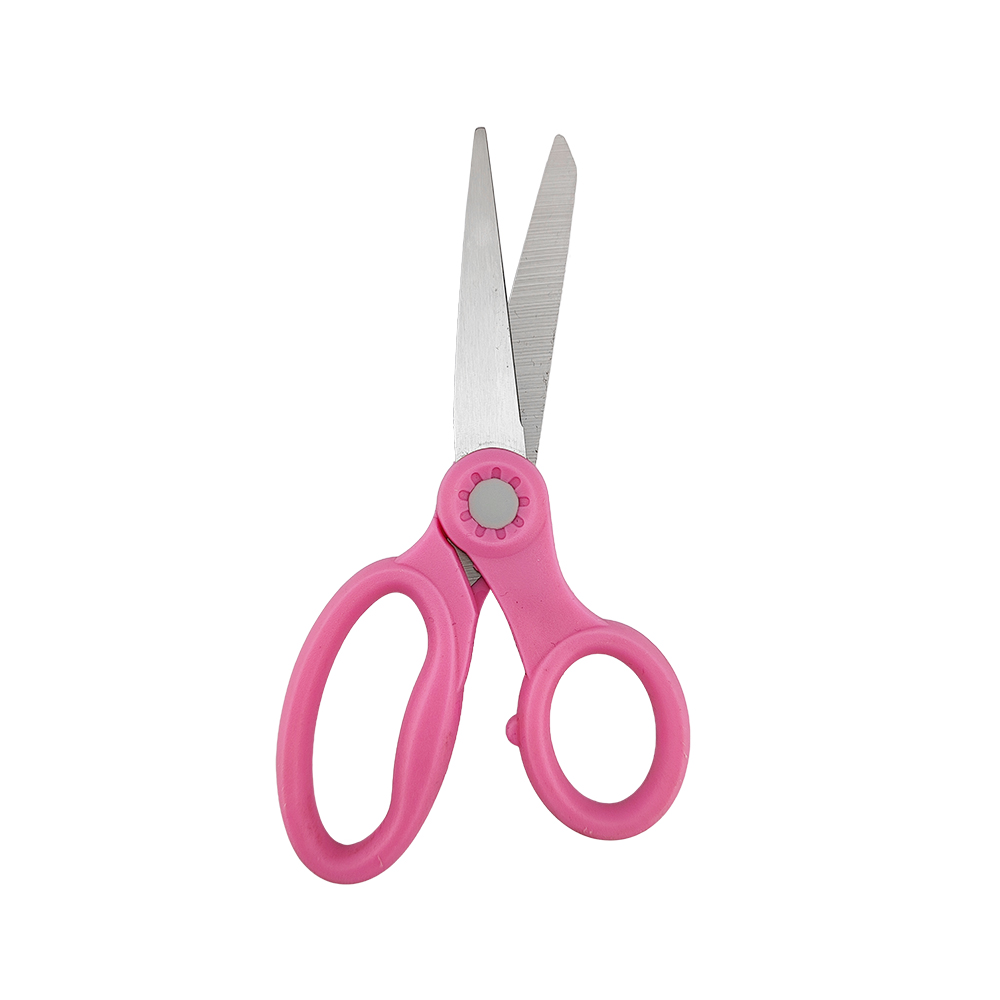
The original product presentation highlights stainless steel blades and ergonomic pink handles. Those are useful details, but a professional sourcing decision should go further. Buyers should confirm blade material details, handle composition, packaging options, sample quality, labeling requirements, and any market-specific compliance needs directly with the supplier before placing an order.
Key Takeaways
- OEM household scissors should be evaluated by intended use, comfort, cutting consistency, packaging, and after-sales risk.
- Do not rely only on appearance; request samples and test common home tasks such as paper, tags, thread, and light craft materials.
- Stainless steel blades and ergonomic pink handles are explicit product details, but exact material grade and performance data should be confirmed with the supplier.
- For wholesale or private label orders, ask about customization scope, inspection standards, labeling, lead time, and carton packing before confirming production.
What OEM Household Scissors Are Used For
OEM household scissors are general-purpose cutting tools produced for a brand, retailer, distributor, or importer. In the home, they are usually expected to handle quick everyday jobs rather than heavy industrial cutting. Typical uses include opening paper envelopes, trimming gift wrap, cutting school project materials, snipping loose threads, preparing craft paper, or cutting light packaging.
Because the use cases are broad, a buyer should avoid positioning one household scissor as suitable for every material. A product that works well for paper and thread may not be intended for thick fabric, wire, plastic straps, or food preparation. Clear product positioning helps reduce returns and customer complaints. If a listing or package says “home use,” it should also make the recommended applications easy to understand.
Design Details to Review Before Sourcing
The original article describes stainless steel blades, clean cutting performance, and ergonomic pink handles. These are relevant features for household users. Stainless steel is commonly valued for appearance and corrosion resistance, but buyers should still ask the scissors factory to identify the exact steel specification, hardness range if available, edge treatment, and whether the blades are tested for cutting consistency.
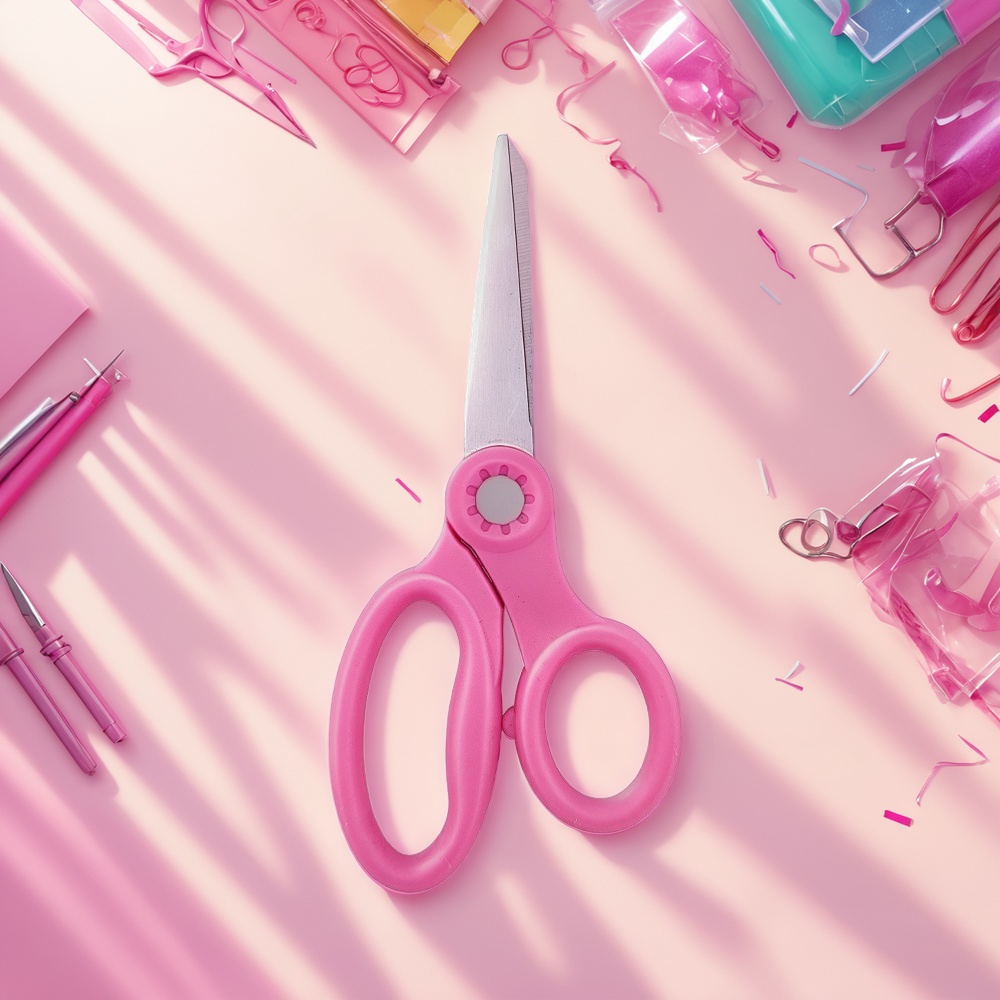
Handle design is equally important. An ergonomic handle should feel stable, reduce pressure points, and allow controlled opening and closing. The pink handle color may support a cheerful retail look or fit a specific product line, but color consistency should be confirmed with approved samples. For OEM projects, ask whether custom colors require a minimum order quantity, color matching process, or additional mold and setup considerations.
Comparison Checklist for Buyers
| Evaluation Area | What to Check | Questions to Ask the Supplier |
|---|---|---|
| Blade | Sharpness, alignment, surface finish, and corrosion resistance expectations | What blade material and finishing process are used, and can samples be tested before order confirmation? |
| Handle | Grip comfort, finger opening size, color consistency, and durability | What handle material is used, and are custom colors available for OEM orders? |
| Cutting Use | Paper, tags, thread, craft materials, and light packaging | Which materials are recommended, and which materials should end users avoid? |
| Branding | Logo placement, packaging artwork, barcode, and label information | What customization methods are available, and what artwork files are required? |
| Quality Control | Opening smoothness, blade gap, screw tightness, and visual defects | What inspection criteria are used before shipment, and can inspection photos or reports be provided? |
| Logistics | Inner packing, master carton, shipping marks, and damage prevention | How are scissors packed to protect handles, blade tips, and retail packaging during transport? |
How to Evaluate a Scissors Factory
When sourcing from a scissors factory, buyers should separate marketing claims from verifiable information. Start with product samples that reflect intended mass production. Compare several units from the same sample batch to check consistency. Open and close each pair repeatedly, inspect the blade alignment, test the cutting edge on typical household materials, and review whether the handle feels comfortable for different hand sizes.
For B2B projects, documentation matters. Ask the supplier what information they can provide about materials, packaging, inspection processes, and export experience. If your target market has specific safety, labeling, or chemical requirements, do not assume compliance. Ask what documents are available and consult qualified compliance professionals when needed. The supplier should be able to answer practical production questions clearly, even if final certification or testing depends on your market and order requirements.
OEM and Custom Scissors Manufacturing Questions
Custom scissors manufacturing can involve color changes, logo printing, packaging design, handle adjustments, or product set development. However, each change may affect cost, timing, tooling, sampling, and approval steps. Before requesting a quotation, prepare a clear brief with target use, expected retail channel, packaging style, quantity estimate, destination market, and any brand requirements.
- Request a production sample or pre-production sample before approving bulk manufacturing.
- Confirm whether the quoted product matches the sample in blade, handle, color, and packaging.
- Ask whether logos are printed, labeled, engraved, or applied by another method.
- Clarify whether retail packaging artwork, instruction text, or warning labels are the buyer’s responsibility.
- Discuss inspection points, acceptable defect limits, and what happens if goods do not match the approved sample.
Use and Care Guidance for Home Users
Even well-made home use scissors perform better when used correctly. Keep one pair for dry household tasks such as paper, tags, thread, and crafts. Avoid cutting hard materials unless the supplier states the product is designed for that purpose. Wipe the blades after use, especially if they contact adhesive tape or damp materials, and store the scissors in a dry place away from small children.
If the scissors begin to drag or feel uneven, check whether adhesive residue has built up on the blades. A gentle wipe may improve performance. Do not force the blades through thick materials, as this can affect alignment or handle stress. Clear use instructions on packaging can help consumers understand limitations and extend product life.
Practical FAQ
Are OEM household scissors only for retailers?
No. They can be sourced by retailers, importers, promotional product companies, online sellers, and private label brands. The key is to define the intended customer and use case before selecting a model.
Can the pink handle be customized?
The original product shows ergonomic pink handles. For other colors or branding, buyers should ask the supplier about customization options, minimum quantities, color matching, and sample approval steps.
What should I test in a sample?
Test cutting smoothness, blade alignment, handle comfort, opening and closing action, visual finish, and packaging quality. Use the same materials your customers are likely to cut at home.
Should buyers ask for certifications?
Yes, if the destination market or sales channel requires them. Do not assume compliance from a product photo. Ask what documents are available and verify requirements for your market.
How can returns be reduced?
Use accurate product descriptions, define recommended applications, approve samples carefully, and align packaging claims with actual product performance. Avoid promising heavy-duty use unless it is verified.
Final Thoughts
OEM household scissors can be a practical private label product when the sourcing process is disciplined. The visible features, including stainless steel blades and ergonomic pink handles, give buyers a starting point. The stronger decision comes from sample testing, clear supplier questions, realistic use claims, and careful packaging review. For brands and wholesalers, the best choice is not simply the most attractive pair of scissors; it is the model that fits the target home-use scenario and can be produced consistently at the agreed quality level.
