




Discover the Best Office Scissors Supplier Today
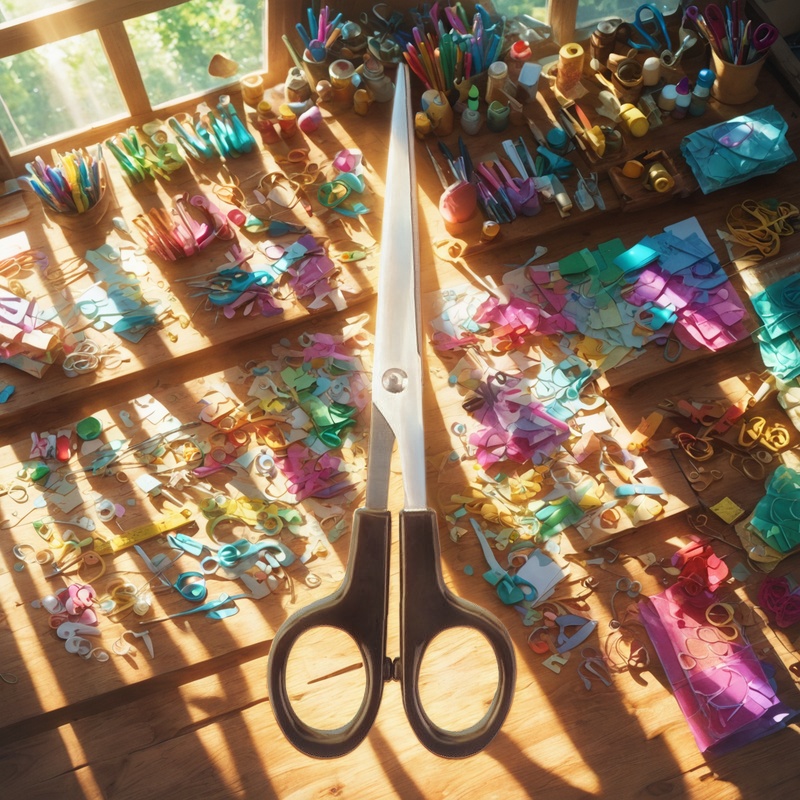
Choosing an office scissors supplier is not only about finding a low unit price. For distributors, stationery brands, office supply retailers, and promotional product buyers, scissors need to be consistent, comfortable, safe to use, and appropriate for the target market. The original product focus highlights office scissors for everyday professional tasks, including document handling, crafting materials, and general workspace use. It also notes interest in trending office scissors with ergonomic handles, durable blades, and options such as jet-black handles for a clean appearance.
This guide explains how to evaluate suppliers, compare common product options, and prepare practical questions before placing a wholesale, OEM, or repeat purchasing order.
Key Takeaways
- A reliable office scissors supplier should provide clear product information, consistent samples, packaging options, and responsive communication.
- Trending office scissors often focus on comfortable handles, durable blades, and a modern appearance, but buyers should verify all specifications.
- Unique office scissors may include specialized blade shapes, distinctive handle colors, or customizable grips, depending on supplier capability.
- Before ordering, ask about materials, blade finish, handle construction, packaging, labeling, quality checks, and lead time.
What Makes a Good Office Scissors Supplier?
A good supplier helps buyers reduce uncertainty. Office scissors are simple tools, but poor consistency can create customer complaints: loose pivots, uncomfortable handles, dull blades, uneven cutting, weak packaging, or inconsistent color matching. When assessing a supplier, look for evidence that they understand both product function and commercial requirements.
Start with communication. A supplier should be able to answer questions about blade material, handle material, size options, surface finish, packaging formats, and whether private label or OEM customization is available. If a detail is not published, do not assume it. Ask for written confirmation and, where appropriate, request pre-production samples.
For B2B sourcing, also consider whether the supplier can support your sales channel. A school supply wholesaler may need economical multipacks. A corporate office supplier may prefer neutral colors and professional packaging. A stationery brand may require logo printing, retail cards, or consistent color control. The best choice depends on your intended buyer, not simply on the most decorative design.
Understanding Trending Office Scissors
Trending office scissors are often shaped by user comfort and workplace aesthetics. The original article mentions ergonomic handles and durable blades as popular features, along with premium stainless steel as an example of a material associated with smooth cutting. These details reflect real buyer concerns: people want scissors that cut cleanly and remain comfortable during repeated use.
However, sourcing teams should separate marketing language from confirmed specifications. If a supplier describes blades as stainless steel, ask which grade is used, how the blade is finished, and whether the information can be verified in product documentation. If handles are described as ergonomic, ask for dimensions, sample photos from multiple angles, and user feedback if available. Comfort can vary by hand size, grip style, and intended use.
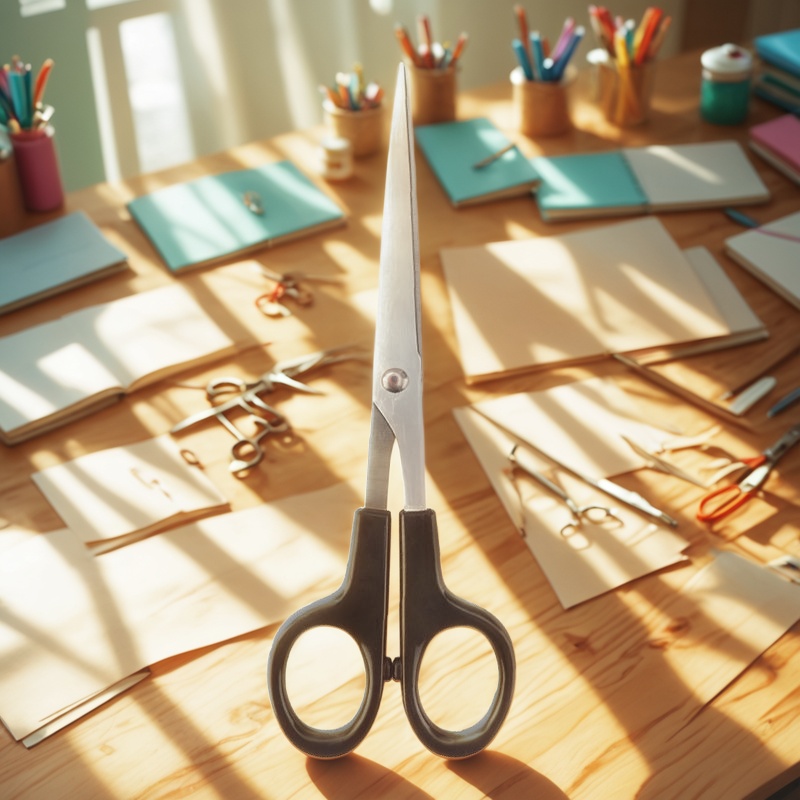
Color trends also matter. Jet-black handles, mentioned in the original article, can work well for professional offices because they look neutral and are less likely to clash with existing desk accessories. Other markets may prefer bright colors for school, craft, or promotional use. For wholesale programs, confirm whether colors are standard, mixed, or custom order only.
Unique Office Scissors: When Differentiation Matters
Unique office scissors can help a product line stand out, but differentiation should serve a practical purpose. Specialized blades may be useful for paper, labels, light craft materials, or packaging tasks. Customizable grips may help brands create a recognizable retail product. A distinctive handle color or shape can make a basic office item easier to merchandise.
Before choosing a unique design, define the use case. Are the scissors intended for front-desk work, document preparation, classroom use, craft stations, warehouse packing desks, or promotional giveaways? A design that looks attractive online may not be suitable for heavy daily use. Similarly, a highly specialized blade may not be necessary for a general office assortment.
For OEM buyers, ask whether customization affects lead time, cost structure, minimum order quantity, color consistency, or packaging design. Do not rely on assumptions. If the supplier has multiple models, compare samples side by side using the same paper, cardboard, tape, or fabric materials your customers are likely to cut.
Comparison Checklist for B2B Buyers
| Evaluation Area | What to Check | Questions to Ask the Supplier |
|---|---|---|
| Blade performance | Sharpness, alignment, smooth opening and closing | What blade material and finish are used? Can samples be tested before bulk order? |
| Handle comfort | Grip shape, finger space, left or right hand suitability | Are handle dimensions available? Are ergonomic claims supported by design details? |
| Product consistency | Pivot tightness, color matching, blade alignment | What quality checks are performed during production and before shipment? |
| Packaging | Retail card, bulk pack, inner box, barcode, labeling | Which packaging options are standard, and what can be customized? |
| OEM or private label | Logo, colors, packaging artwork, model selection | What customization options are available, and what information is needed to quote? |
| Commercial terms | MOQ, lead time, payment terms, sample policy | What are the current order requirements and production timelines? |
How to Request Samples and Test Them
Samples are essential when sourcing office scissors. Photographs cannot confirm cutting feel, hand comfort, or pivot quality. Ask the supplier to send the exact model, handle color, packaging style, and blade finish you are considering. If you are comparing trending office scissors and unique office scissors, test them under the same conditions.
- Cut standard copy paper in straight and curved lines to check smoothness.
- Cut a stack of several sheets to see whether the blades separate or drag.
- Open and close the scissors repeatedly to assess pivot feel and hand comfort.
- Inspect the handle edges for roughness or molding marks.
- Check packaging strength if the item will be shipped through retail or e-commerce channels.
- Record any differences between approved samples and later production samples.
If the scissors are intended for schools, offices, or promotional use, consider how the end user will store and handle them. Safety expectations, blade tip shape, and age suitability should be discussed with the supplier and matched to your market requirements.
Important Supplier Questions Before Ordering
Professional buyers should prepare a clear inquiry instead of asking only for a catalog and price. A complete inquiry helps the supplier quote accurately and reduces back-and-forth communication. Include expected quantity, target market, packaging preference, delivery destination, branding needs, and whether the scissors are for retail, wholesale, office supply distribution, or promotional campaigns.
Useful questions include:
- Which office scissors models are currently available for wholesale orders?
- What materials are used for the blades and handles?
- Are jet-black handles or other colors standard options?
- Can the supplier provide OEM packaging or logo customization?
- What is the sample process, and are production samples available before shipment?
- What inspection steps are used to check blade alignment, cutting performance, and packaging?
- What are the current MOQ, lead time, and carton packing details?
These questions do not assume capabilities. They create a factual basis for comparison among suppliers.
FAQ: Office Scissors Supplier Sourcing
What should I prioritize when choosing an office scissors supplier?
Prioritize consistent cutting performance, clear material information, comfortable handle design, reliable packaging, and responsive communication. Price matters, but poor consistency can cost more through returns and customer complaints.
Are trending office scissors always better than standard models?
Not necessarily. Trending models may offer ergonomic handles, modern colors, or distinctive features, but the best product depends on your market. Standard designs can be better for high-volume office supply programs if they meet user expectations.
Can I request unique office scissors for my brand?
Many suppliers may offer customization, but capabilities vary. Ask about available handle colors, logo placement, packaging options, artwork requirements, MOQ, lead time, and sample approval steps before planning a launch.
How can I verify blade material or product claims?
Ask the supplier for written specifications and supporting documents where available. For important orders, evaluate samples and consider independent inspection or testing based on your market requirements.
What information should I send when requesting a quote?
Send target quantity, preferred model or size, handle color, packaging type, branding needs, destination, expected delivery schedule, and any compliance or labeling requirements relevant to your sales market.
Final Sourcing Advice
The right office scissors supplier should help you match product design to real use: everyday document cutting, craft tasks, office organization, retail stationery, or promotional distribution. Use samples, written specifications, and a structured comparison checklist before committing to bulk purchasing. Whether you prefer a clean jet-black handle, a more distinctive design, or a standard wholesale model, the safest approach is to verify each detail with the supplier and confirm that the finished product fits your customers' expectations.
