




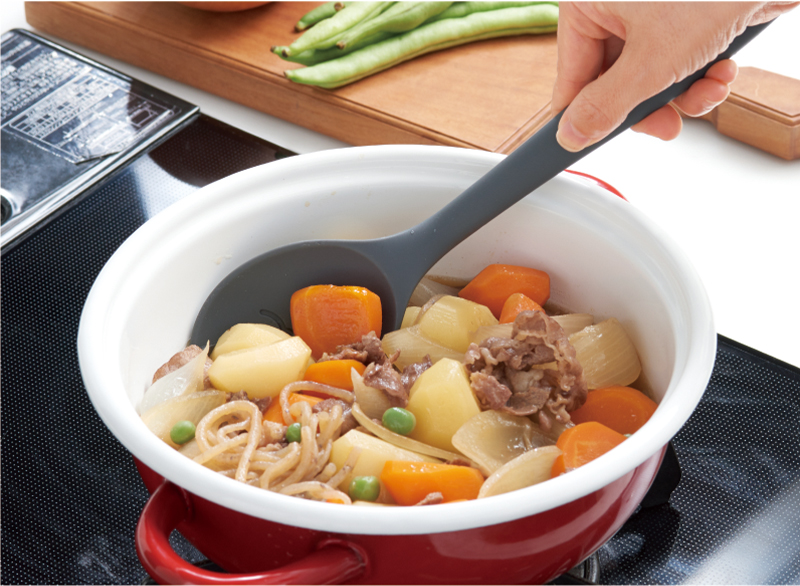
Best Silicone Spoon: How to Choose and Use One Well
A silicone spoon is one of those simple kitchen tools that can make everyday cooking easier when it is chosen carefully. It is useful for stirring sauces, scooping cooked vegetables, serving rice, mixing batters and working with cookware surfaces that need gentle contact. The original product described here is a smiley silicone kitchen spoon made from food-grade silicone, with a heat-resistant design, a smooth texture, a vibrant coral color, an embossed cheerful face, an ergonomic grip and a rest notch intended to help reduce countertop mess.
This guide focuses on how to judge whether a silicone spoon is right for your kitchen, how to compare it with other spoon types, and how to care for it so it stays practical for daily use.
Key Takeaways
- Silicone spoons are especially useful for nonstick cookware because they are gentle on coated surfaces.
- Look for clear information about material, heat resistance, cleaning method and handle comfort before buying.
- A spoon shape that supports stirring, scooping and serving will be more useful than a purely decorative tool.
- Design details such as a rest notch or ergonomic grip can improve everyday convenience.
- Always confirm product claims with the supplier or packaging if exact specifications are important.
Why a Silicone Spoon Works for Everyday Cooking
The main appeal of a silicone kitchen spoon is controlled contact with pots, pans and bowls. Unlike metal utensils, silicone is less likely to scratch nonstick cookware when used normally. Compared with many wooden spoons, it is often easier to rinse clean because the surface is smooth and less absorbent.
A good silicone spoon can cover multiple tasks. It can stir soup without clanging loudly against the pot, scoop sauce from a pan, fold ingredients in a mixing bowl and serve portions at the table. For home cooks who prefer fewer single-purpose tools, this flexibility matters.
The smiley silicone kitchen spoon described in the source article also adds a playful visual element through its coral color and embossed face design. Appearance should not be the only reason to choose a utensil, but a tool that is easy to spot in a drawer and pleasant to use can become part of the regular cooking routine.
Material and Heat Resistance: What to Check
The source states that this spoon is made from food-grade silicone and has a heat-resistant design. Those are useful qualities, but shoppers should still read the product label or ask the seller for specific details if they need exact limits. Not all silicone utensils perform the same way, and heat tolerance can vary by construction, handle design and production method.
Before purchasing any silicone spoon, check the following points:
- Whether the seller identifies the utensil as food-grade silicone.
- The stated maximum heat resistance, if provided.
- Whether the entire spoon is silicone or whether it includes a separate core or handle material.
- Whether it is suitable for the cookware types you use most often.
- Whether cleaning instructions allow dishwasher use or recommend hand washing.
For high-heat cooking, avoid leaving any spoon sitting in a hot pan for long periods unless the manufacturer clearly states that it is designed for that use. Even heat-resistant utensils should be used with common sense: stir, serve and remove the tool when not needed.
Comparison Table: Silicone Spoon vs. Common Alternatives
| Utensil Type | Best For | Potential Drawback | Buying Check |
|---|---|---|---|
| Silicone spoon | Nonstick pans, sauces, batters, serving | Heat limits vary by product | Confirm food-grade material and heat guidance |
| Wooden spoon | Stirring soups, stews and thicker mixtures | Can absorb stains or odors over time | Check finish quality and care instructions |
| Metal spoon | Durable serving and heavy-duty use | May scratch nonstick cookware | Use mainly with stainless steel or uncoated cookware |
| Nylon spoon | Light stirring and budget-friendly kitchens | Can soften or wear depending on heat exposure | Check temperature rating and edge durability |
Shape, Grip and Practical Design Details
A spoon is only useful if its shape matches how you cook. A deeper bowl helps with scooping and serving, while a shallower spoon may be better for stirring and folding. The original article highlights this spoon as suitable for stirring, scooping and portioning, which makes it a general-purpose tool rather than a narrow specialty utensil.
The ergonomic grip is another practical point. A comfortable handle reduces hand fatigue when stirring thicker foods or cooking for a group. If possible, check whether the handle feels secure when wet, whether it is long enough for deeper pots, and whether it balances well in the hand.
The described rest notch is also useful. A built-in notch or spoon-rest feature can help keep the working end raised or positioned more neatly between stirring tasks. It does not replace cleaning, but it can reduce sauce drips on the counter during busy meal preparation.
Using a Silicone Spoon with Nonstick Cookware
One explicit benefit in the original article is that the silicone spoon is suitable for all cookware types, including nonstick pans. This is one of the strongest reasons to keep silicone utensils in a home kitchen. Nonstick coatings can be damaged by sharp or hard metal edges, so a softer utensil is a sensible choice.
To protect both the spoon and your cookware, use gentle pressure when scraping the bottom of pans, avoid cutting food with the spoon edge, and do not use it as a lever for stuck-on food. If food is burned onto the pan, soak the cookware first instead of forcing the spoon to do the work.
Silicone spoons are also helpful for saucepans and mixing bowls because the flexible edge can move food without excessive scraping noise. For sticky foods such as oatmeal, rice or thick sauce, rinse the spoon soon after use to make cleanup easier.
Cleaning and Care Tips
The source article notes that the spoon has a smooth texture for easy cleanup and can be rinsed or placed in a dishwasher. If dishwasher safety is important, confirm it on the current product packaging or supplier listing, because care guidance can differ between product batches and designs.
For routine care, wash the spoon after each use with warm water and mild dish soap. If it has been used with strong-smelling ingredients such as garlic, curry or tomato sauce, clean it promptly rather than leaving residue to dry. If stains or odors appear, follow the seller’s care instructions before trying abrasive cleaners.
- Rinse the spoon soon after cooking, especially after oily or colored sauces.
- Wash with a soft sponge to avoid unnecessary surface wear.
- Dry it fully before storing it in a drawer or utensil holder.
- Inspect the surface occasionally for cuts, cracks or worn areas.
- Replace the spoon if the surface becomes damaged or difficult to clean.
How to Choose the Best Silicone Spoon for Your Kitchen
The best silicone spoon is not the same for every cook. A small apartment kitchen may need one compact spoon that handles most tasks. A family kitchen may benefit from several utensils in different sizes. If you cook mostly with nonstick pans, prioritize a gentle edge and comfortable grip. If you prepare soups and stews often, choose a size that can reach into deeper pots.
Color and design can also matter in practical ways. The coral color and embossed smiley face described in the original product make the spoon easy to recognize and add personality without changing its core function. However, design should support usability: the spoon still needs to be comfortable, easy to clean and suitable for the foods you cook most often.
FAQ
Is a silicone spoon safe for nonstick pans?
Silicone spoons are commonly chosen for nonstick cookware because they are gentle on coated surfaces. The source article specifically describes this spoon as suitable for nonstick pans. Use moderate pressure and avoid cutting or prying with it.
Can I put a silicone spoon in the dishwasher?
The original article says the spoon can be rinsed or placed in a dishwasher. Still, check the current product care instructions before relying on dishwasher cleaning, especially if the spoon has mixed materials.
What is the best use for a silicone kitchen spoon?
It is best for stirring, scooping, portioning and serving foods such as sauces, soups, cooked vegetables, batters and rice. It is a general everyday utensil rather than a specialized cutting or scraping tool.
How do I know if a silicone spoon is heat resistant?
Look for the stated heat rating on the packaging or product listing. The source describes this spoon as heat-resistant, but exact temperature details should be confirmed with the seller if they matter for your cooking style.
When should I replace a silicone spoon?
Replace it if the surface is cracked, cut, sticky, peeling, heavily stained in a way that cannot be cleaned, or if the handle becomes uncomfortable or unstable.
