




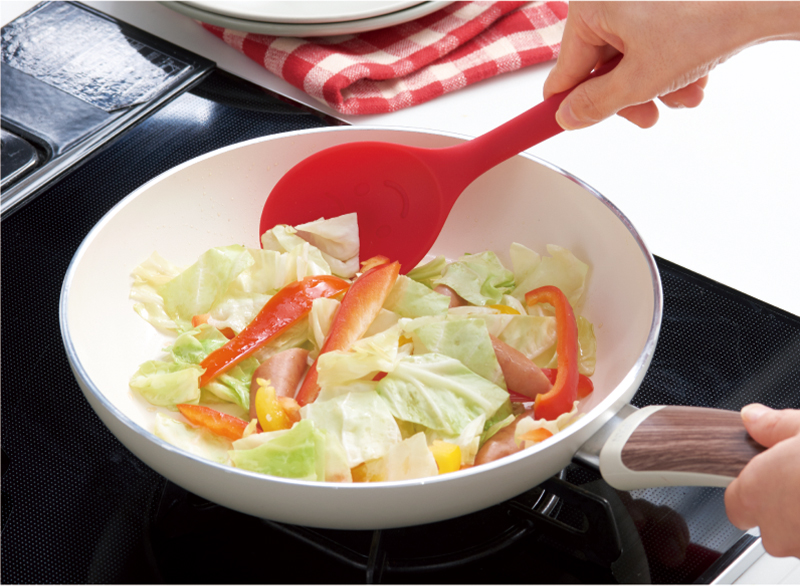
Best Silicone Spoon for Kitchen Efficiency
A good cooking spoon is one of the most frequently used tools in a kitchen. It stirs soup, folds batter, serves vegetables, scrapes sauce from the side of a pan, and often sits on the counter between tasks. For many home cooks, a silicone spoon is a practical upgrade because it combines a soft working edge with everyday durability and easy handling. The original Bonet article introduced silicone spoons as comfortable, heat-resistant, nonstick-friendly utensils, including a playful red smile spoon with a raised smile design, built-in rest feet, a hanging hole, and a smooth handle. This rewritten guide looks at how to choose and use this type of spoon with more practical detail.
Key Takeaways
- A silicone spoon is useful for stirring, scooping, serving, and working with nonstick cookware.
- Look for comfort, bowl shape, storage options, and counter-cleanliness features before choosing one.
- Do not assume all silicone utensils perform the same; ask the seller about heat guidance, material details, and care instructions.
- A spoon with built-in rest feet can help reduce mess during active cooking.
Why Silicone Spoons Are Useful in Daily Cooking
Silicone spoons are popular because the material is flexible enough for cookware protection yet firm enough for common kitchen tasks. When used with nonstick pans, enamel cookware, or coated pots, a silicone spoon is less likely to scratch the surface than a metal spoon. That makes it a sensible choice for people who want to extend the life of their cookware.
The spoon shape also matters. A rounded spoon bowl works well for soups, stews, sauces, oatmeal, and rice dishes. It can lift food for serving while still being able to stir ingredients evenly. If the edge has enough flexibility, it can help collect sauce or batter from the side of a pot or bowl without needing a separate scraper.
What to Check Before Buying a Silicone Cooking Spoon
Not every silicone spoon is equally useful. A product can look attractive but feel awkward once you use it for ten minutes over a pot. Before buying, consider the way you cook most often. Someone who makes soups and stews may want a deeper spoon bowl, while someone who uses it mainly for sauces may prefer a shallower, more flexible edge.
- Handle comfort: A smooth handle should feel secure without sharp edges or uncomfortable seams.
- Weight: A lightweight spoon is easier to use for long stirring tasks, but it should not feel flimsy.
- Cookware compatibility: Choose a spoon suitable for nonstick-friendly use if you cook with coated pans.
- Heat guidance: The original article mentions heat resistance, but shoppers should still check the supplier’s stated temperature limits and use instructions.
- Cleaning: Look for a shape without hard-to-clean corners where sauce or oil can collect.
- Storage: A hanging hole is useful if you store utensils on a rail or hook.
Comparison Checklist: Silicone Spoon vs Other Utensils
The table below helps explain where a silicone spoon fits among common kitchen tools. It is not about one material being best for every task; it is about matching the tool to the job.
| Utensil type | Best for | Watch out for |
|---|---|---|
| Silicone spoon | Stirring sauces, serving soups, using with nonstick cookware | Confirm heat guidance and avoid leaving it resting in a hot pan longer than recommended |
| Wooden spoon | General stirring, rustic cooking, mixing thicker foods | Can absorb odors or moisture if not cleaned and dried properly |
| Metal spoon | Durable scooping and serving from stainless steel cookware | Can scratch nonstick or coated surfaces |
| Nylon spoon | Budget-friendly stirring and serving | Heat tolerance and stiffness vary widely by product |
Design Details That Improve Kitchen Efficiency
Small design details can make a spoon more efficient. The red smile spoon described in the original article has a raised smiley design and built-in rest feet. Rest feet are practical because they lift the spoon bowl slightly off the counter. During cooking, this can reduce sauce drips and keep the working end from touching the surface directly.
A hanging hole is another useful feature. It allows the spoon to dry and store vertically, which can save drawer space. A smooth handle also matters because cooking often involves wet hands, oil, steam, and repeated movements. If the handle is too thin, too slick, or poorly balanced, the spoon becomes tiring to use.
The smile design adds personality, but it should not be the only reason to choose the utensil. Make sure the decorative area does not interfere with cleaning and that the spoon still feels balanced in use.
How to Use a Silicone Spoon Without Damaging It
Even a heat-resistant silicone spoon should be used thoughtfully. Heat resistance does not mean unlimited exposure to direct flame, dry cookware, or a spoon left pressed against the base of a hot pan for a long time. Follow the supplier’s care instructions, especially if you are cooking at high heat.
- Use the spoon for stirring, folding, serving, and gentle scraping.
- Avoid cutting food against the spoon edge with a knife.
- Do not leave the spoon in a hot pot unattended unless the product instructions say it is safe to do so.
- Wash after use, especially after oily sauces, tomato-based foods, or strong spices.
- Dry fully before storing in a drawer or hanging rack.
Care and Cleaning Tips
Silicone is generally easy to clean, but good habits help prevent odors, stains, and residue. Rinse the spoon soon after use so sauces do not dry on the surface. Use warm water and a mild dish soap. If the spoon has raised decorative details, such as the smile design, use a soft sponge around those areas.
For lingering food smells, soak the spoon briefly in warm soapy water, then rinse and dry. Avoid abrasive pads that can roughen the surface. If the supplier states dishwasher suitability, you can follow that guidance; if not, hand washing is the safer default. Because no specific dishwasher claim was provided in the original article, buyers should confirm cleaning recommendations before relying on a dishwasher.
When a Silicone Spoon Is the Right Choice
A silicone cooking spoon is a strong everyday option if you often cook with nonstick cookware, prepare sauces, or want one tool for both stirring and serving. It is also useful for families that want lightweight utensils that are easy to handle. The playful red smile spoon may suit kitchens where a cheerful design is welcome, but its practical features are the more important point: a smooth grip, a hanging hole, and built-in rest feet can all improve daily cooking routines.
If you are comparing products, do not stop at color. Ask what the spoon is made from, what temperature range is recommended, whether it is intended for food contact, how it should be cleaned, and whether the handle and spoon bowl are one-piece or assembled. Clear answers help you choose a utensil that fits your cooking habits.
FAQ
Is a silicone spoon safe for nonstick cookware?
Silicone spoons are commonly chosen for nonstick-friendly cooking because they are softer than metal. Still, avoid excessive force and follow your cookware maker’s care instructions.
Can I use a silicone spoon in hot soup or stew?
The original article describes silicone spoons as heat-resistant and suitable for soups and stews. Check the supplier’s stated heat guidance before using one at very high temperatures.
What is the benefit of built-in rest feet?
Rest feet help keep the spoon bowl raised from the countertop between stirs, reducing mess and limiting contact with the counter surface.
How do I store a silicone spoon?
If the spoon has a hanging hole, store it on a hook or rail. Otherwise, dry it fully and keep it in a utensil drawer where the spoon bowl is not bent or crushed.
Should I choose a fun design or a plain spoon?
Choose the design you like, but prioritize practical factors first: comfort, bowl shape, cleaning ease, heat guidance, and compatibility with your cookware.
