




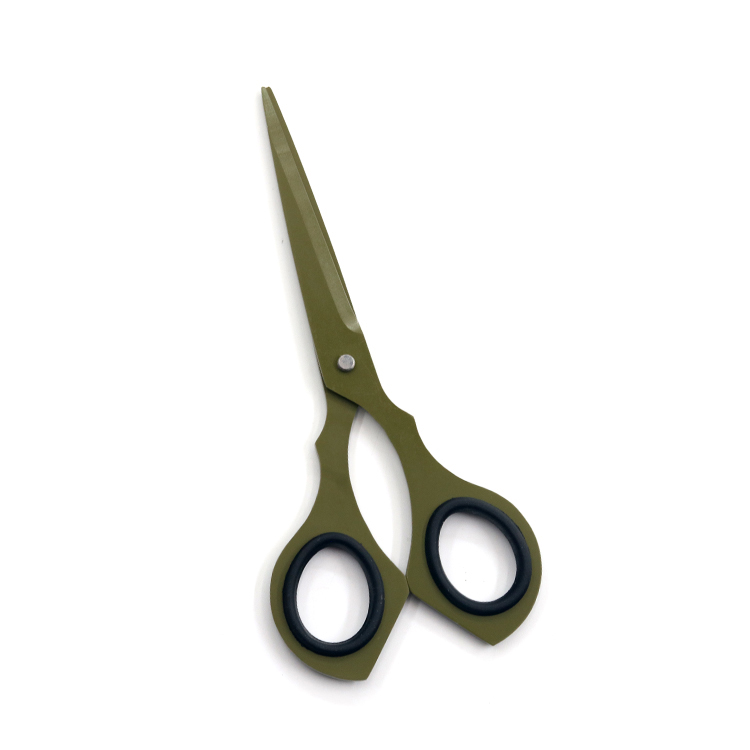
Discover the Best Stationery Scissors for Precision Cutting
Stationery scissors are simple tools, but the right pair can make paper projects cleaner, faster, and less frustrating. Whether you are trimming labels in an office, cutting shapes for scrapbooking, preparing classroom materials, or handling everyday stationery tasks at home, small design differences matter. Blade sharpness, handle comfort, alignment, and material quality all affect how accurately the scissors cut and how comfortable they feel during repeated use.
The original product focus highlights Rose Gold Precision Scissors with stainless steel blades, ergonomic handles, durable materials, a rose gold finish, and suitability for scrapbooking, stationery cutting, school projects, office tasks, and detailed craft work. This guide explains how to evaluate those features in practical terms so you can choose scissors that fit your use case rather than buying only by appearance.
Key Takeaways
- Choose stationery scissors based on the material you cut most often, such as printer paper, cardstock, photos, labels, or craft embellishments.
- Stainless steel blades are useful for clean paper cutting, but blade alignment and edge sharpness are just as important.
- Ergonomic handles help reduce hand fatigue during scrapbooking, classroom preparation, and repetitive office tasks.
- A rose gold finish can be attractive, but cutting performance, comfort, and durability should come first.
- Keep scissors clean, dry, and dedicated to appropriate materials to protect the cutting edge.
What Makes Stationery Scissors Good for Precision Cutting?
Precision cutting depends on control. A good pair of stationery scissors should open and close smoothly, meet evenly along the blades, and cut from the base to the tip without tearing the paper. For detailed work, the tips should be easy to guide around corners, curves, and small decorative elements.
Stainless steel blades, as described in the source article, are a useful feature because they provide a firm cutting edge for common paper tasks. However, buyers should also check how the blades are assembled. Loose pivots can create uneven cuts, while overly tight pivots can make long cutting sessions tiring. If you are choosing scissors in person, test them on thin paper and heavier craft paper to see whether they cut cleanly without snagging.
Best Uses: Scrapbooking, Office Work, and Home Projects
Scissors for scrapbooking need to handle more than straight lines. Crafters often cut patterned paper, photo mats, paper tags, decorative borders, and small embellishments. For these tasks, a comfortable grip and sharp tips are especially helpful. The Rose Gold Precision Scissors described in the original article are positioned for this kind of detailed work, with ergonomic handles and sharp stainless steel blades.
For office use, stationery cutting scissors are often used for opening envelopes, trimming printed documents, cutting labels, and preparing presentation materials. In a school or home setting, they may be used for art projects, worksheets, wrapping paper, and general paper cutting. If one pair will be shared across many tasks, choose a balanced design that is comfortable for different hand sizes and sturdy enough for daily use.
Comparison Checklist for Choosing Stationery Scissors
| Selection Factor | Why It Matters | What to Check Before Buying |
|---|---|---|
| Blade material | Affects sharpness, edge life, and cutting consistency. | Confirm whether the blades are stainless steel if that feature is important to you. |
| Blade alignment | Poor alignment can bend or tear paper instead of cutting cleanly. | Open and close the scissors to see if the blades meet smoothly from base to tip. |
| Handle comfort | Important for long craft sessions and repetitive office cutting. | Look for ergonomic handles that fit your fingers without pressure points. |
| Tip control | Helps with curves, corners, and small paper details. | Test whether the tips cut cleanly and feel easy to guide. |
| Finish and appearance | Affects visual preference and desk organization. | Choose finishes such as rose gold for style, but do not prioritize appearance over performance. |
| Intended use | Different tasks place different demands on scissors. | Match the scissors to paper crafts, school use, office work, or general stationery cutting. |
How to Evaluate Ergonomic Handles
Ergonomic handles should make cutting easier, not simply look rounded. A comfortable pair of stationery scissors supports the fingers without forcing the hand into an awkward angle. This matters when cutting multiple sheets, trimming many labels, or working on detailed scrapbook pages for an extended period.
Before choosing a pair, consider who will use it most often. Adults working on crafts may prefer a larger handle opening and steady grip. Office users may prioritize quick, comfortable cuts throughout the day. If the scissors are used by multiple people, a neutral handle shape may be more practical than a highly specialized design.
Care Tips to Keep Scissors Cutting Cleanly
Even high-quality scissors can perform poorly if they are used on unsuitable materials or stored carelessly. To maintain clean cuts, keep stationery scissors dedicated to paper and light craft materials. Avoid using them on wire, thick plastic, adhesive-heavy materials, or packaging that could damage or gum up the blades.
- Wipe the blades after cutting sticky labels, tape, or adhesive-backed paper.
- Store scissors closed in a drawer, cup, pouch, or organizer to protect the tips.
- Keep them dry after cleaning to reduce the risk of surface damage.
- Do not force the blades through materials that feel too thick for the tool.
- Use a separate heavy-duty cutter for cardboard, plastic packaging, or non-paper tasks.
When Appearance Matters: Rose Gold Scissors
A rose gold finish can make stationery scissors easy to identify on a desk or craft table. It also suits users who prefer coordinated stationery tools. The original article notes the elegant rose gold design of the product, and that can be a valid reason to choose one pair over another when the cutting performance is also suitable.
Still, appearance should be treated as a secondary factor. For precision work, the key questions remain practical: Do the blades cut cleanly? Are the handles comfortable? Can the scissors manage the paper weights and craft materials you use most often? A good-looking pair that does not cut accurately will quickly become frustrating.
Smart Buying Questions Before You Choose
Because product listings do not always provide enough detail, it is useful to ask a few clear questions before purchasing, especially if buying for an office, classroom, studio, or team supply cabinet. Ask whether the scissors are intended mainly for paper and stationery use, what blade material is used, how the handle is designed for comfort, and whether the product is suitable for detailed craft cutting.
If you are buying in quantity for business or educational use, ask the supplier about packaging options, replacement policies, available colors or finishes, and whether product samples can be reviewed before a larger order. Avoid assuming specifications that are not stated. Practical confirmation is better than relying on vague claims such as premium, professional, or heavy duty.
FAQ
Are stainless steel blades good for stationery scissors?
Yes. Stainless steel blades are commonly used for stationery scissors because they can provide clean cutting performance for paper and light craft materials. Blade sharpness, alignment, and care still affect the final result.
Can I use stationery scissors for scrapbooking?
Yes, if the scissors have sharp blades, good tip control, and comfortable handles. Scrapbooking often requires detailed cuts, so avoid scissors that feel loose, stiff, or difficult to guide.
Should I choose scissors based on handle design?
Handle design is important if you cut for long periods. Ergonomic handles can reduce fatigue, especially during repetitive craft, office, or classroom tasks.
Can stationery scissors cut cardboard?
They may cut thin card or lightweight cardstock, but thick cardboard can strain the blades and pivot. Use a heavier-duty tool for dense packaging or repeated cardboard cutting.
How do I keep scissors sharp for longer?
Use them mainly for paper, clean adhesive residue from the blades, store them closed, and avoid forcing them through materials they are not designed to cut.
Are rose gold scissors only decorative?
No. A rose gold finish can be decorative, but the scissors should still be judged by blade quality, comfort, alignment, and suitability for your cutting tasks.
Choosing the best stationery scissors is mostly about matching the tool to the work. For everyday paper cutting, scrapbooking, and office use, look for clean blade action, stainless steel blades where specified, ergonomic handles, and a design that feels controlled in your hand. A rose gold finish can add visual appeal, but dependable cutting performance is what makes scissors worth keeping on your desk or craft table.
