




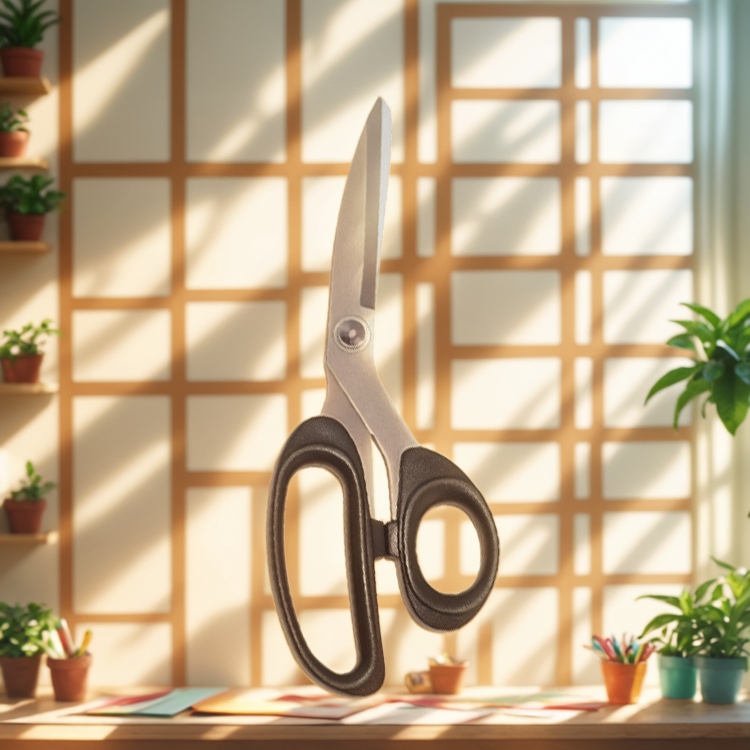
Discover the Best Tailor Scissors for Precision Crafting
Choosing the best tailor scissors is not only about finding a sharp cutting tool. For sewing rooms, craft studios, alteration shops, and sourcing teams, the right scissors affect cutting accuracy, hand comfort, material waste, and day-to-day productivity. A good pair should create clean lines through fabric and paper, feel controlled in the hand, and stay dependable through repeated use.
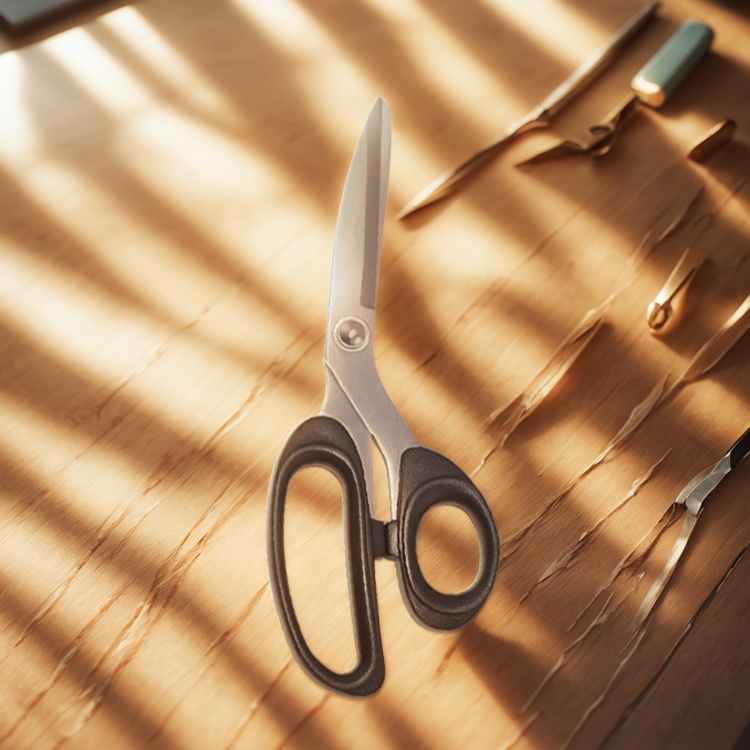
The original product information highlights several useful facts: the scissors are ergonomically designed, use high-grade stainless steel blades, include a soft-grip black rubber handle, and are intended for cutting materials such as fabric and paper. Those points make them relevant for tailoring, crafting, and professional workspaces where precision and comfort matter. This guide explains how to evaluate those features carefully and what buyers should ask before placing an order.
Key Takeaways
- Prioritize clean, controlled cutting over decorative appearance when selecting tailor scissors.
- Stainless steel blades can support lasting sharpness, but buyers should still ask about hardness, edge retention, and sharpening guidance.
- A soft-grip rubber handle can reduce discomfort during longer cutting sessions, especially for repetitive craft or tailoring work.
- Wholesale and OEM buyers should confirm packaging, sample policy, customization options, quality checks, and commercial terms directly with the supplier.
What Makes Tailor Scissors Different?
Tailor scissors, often called tailor shears, are designed for controlled cutting along fabric. Unlike general office scissors, they usually need to manage longer cuts, curved pattern lines, layered textiles, and repetitive use. For makers and production teams, a poor cut can distort pattern pieces or leave frayed edges that require rework.
The best tailor scissors should support three outcomes: a clean blade path, stable hand positioning, and predictable performance across common materials. The source information states that these scissors cut fabric and paper, which is useful for users who switch between textile pieces, templates, and craft materials. However, buyers should avoid assuming performance on heavy canvas, leather, denim layers, or technical fabrics unless those uses are confirmed by the supplier.
Blade Material and Cutting Precision
The original article states that the scissors are crafted with high-grade stainless steel blades. Stainless steel is widely used for scissors because it can resist corrosion better than many untreated steels and can provide a neat, polished appearance. For sourcing decisions, the phrase high-grade is a starting point, not a complete specification. Buyers should ask what steel type is used, whether the blades are hardened, and how the cutting edge is finished.
For end users, blade alignment is just as important as blade material. Scissors that feel sharp at first may still perform poorly if the two blades do not meet evenly from pivot to tip. When testing samples, cut a straight line, a curve, and a narrow strip from common working materials. The scissors should not push fabric forward, chew the edge, or leave uncut threads near the tip.
Handle Comfort for Long Crafting Sessions
Comfort becomes important when scissors are used for more than a few quick cuts. The original product description mentions an ergonomic design and a soft-grip black rubber handle. These details are useful because hand fatigue can affect both speed and accuracy. A handle that feels secure can help users maintain a steady cutting angle during long craft or tailoring sessions.
Fit still depends on the user. A handle that works well for one hand size may feel tight or loose for another. Before buying in volume, teams should test samples with the people who will actually use the scissors. Ask whether the handle creates pressure on the thumb, whether the grip slips during long cuts, and whether the tool feels balanced when opened fully.
Comparison Checklist for Choosing Tailor Scissors
| Selection Point | Why It Matters | What to Check or Ask |
|---|---|---|
| Blade sharpness | Clean cuts reduce fabric distortion and rework. | Test straight cuts, curves, and tip cutting on intended materials. |
| Blade material | Material affects durability, maintenance, and edge performance. | Ask the supplier for the exact steel type and care instructions. |
| Handle design | Comfort supports longer sessions with better control. | Confirm grip feel, opening size, and comfort for different hand sizes. |
| Pivot tension | Loose or stiff movement can reduce accuracy. | Check whether the action is smooth and consistent from base to tip. |
| Supplier support | Important for wholesale, OEM, or repeat purchasing. | Ask about samples, packaging, customization, inspection, and lead time. |
Use and Care Guidance for Better Cutting
Even premium tailor scissors need proper handling. Users should reserve fabric scissors for fabric whenever possible. Cutting cardboard, adhesive materials, wire, or rough craft media can dull the edge faster. Since the source mentions fabric and paper, paper use may be acceptable, but sewing professionals often keep a separate pair for paper patterns to protect their best fabric edge.
- Wipe blades after use to remove lint, dust, or moisture.
- Store scissors closed in a dry place, away from loose tools that may damage the edge.
- Avoid dropping scissors because impact can affect the pivot or blade alignment.
- Do not force the blades through materials thicker than the supplier recommends.
- Ask a qualified sharpener or the supplier for sharpening advice before grinding the edge.
Sourcing from a Tailor Shears Supplier
For retailers, distributors, craft brands, and workshop buyers, selecting a tailor shears supplier requires more than reading a product description. The product may look suitable, but commercial reliability depends on details that should be confirmed before purchase. Because the original information does not provide MOQ, production capacity, certifications, pricing, or test results, buyers should treat those as open questions rather than assumptions.
Important supplier questions include: What sample options are available? Can the supplier provide consistent blade finish and handle color across repeat orders? What packaging formats are offered for retail or wholesale? Are logo, label, or OEM packaging options available? What quality checks are performed before shipment? What is the expected lead time for standard and customized orders? Clear answers help reduce misunderstandings and make comparison between suppliers easier.
When These Scissors Are a Good Fit
Based on the explicit product details, these tailor scissors are suitable to consider for general fabric cutting, paper cutting, crafting, tailoring projects, and workspaces where users value an ergonomic handle. The stainless steel blades and soft-grip black rubber handle support the needs of many crafters and sewing professionals who want a controlled tool for repeated cutting tasks.
They may be less suitable if the buyer needs confirmed performance for very heavy textiles, industrial cutting lines, left-handed use, specialized textile production, or regulated procurement requirements. In those cases, request technical details and physical samples before making a sourcing decision.
Practical FAQ
What are the best tailor scissors for fabric cutting?
The best choice is a pair that cuts cleanly through your actual fabric, feels stable in your hand, and maintains smooth blade contact from pivot to tip. Always test samples with the materials you use most.
Are stainless steel blades good for tailor scissors?
Stainless steel blades can be a practical option because they may offer durability and corrosion resistance. Buyers should still ask for the specific steel type, hardness information if available, and maintenance guidance.
Why does handle comfort matter?
A comfortable handle helps reduce strain during repeated cutting. The soft-grip black rubber handle described in the source may be helpful for longer crafting or tailoring sessions, but users should still test fit and balance.
What should wholesale buyers ask a tailor shears supplier?
Ask about samples, MOQ, lead time, packaging, logo options, inspection process, replacement policy, and whether the product has any documented test reports or compliance information relevant to your market.
Can the same scissors cut both fabric and paper?
The source states that the scissors can cut fabric and paper. However, many sewing users keep separate scissors for paper to preserve the sharpest edge for fabric.
Final Buying Advice
The best tailor scissors combine sharp blades, comfortable handling, and reliable supplier communication. This model has several useful stated features, including high-grade stainless steel blades, ergonomic design, and a soft-grip black rubber handle. For individual users, the next step is to test comfort and cutting performance on real materials. For B2B buyers, the next step is to request samples and confirm commercial details in writing before placing a larger order.
