





Discover the Excellence of Professional Office Scissors
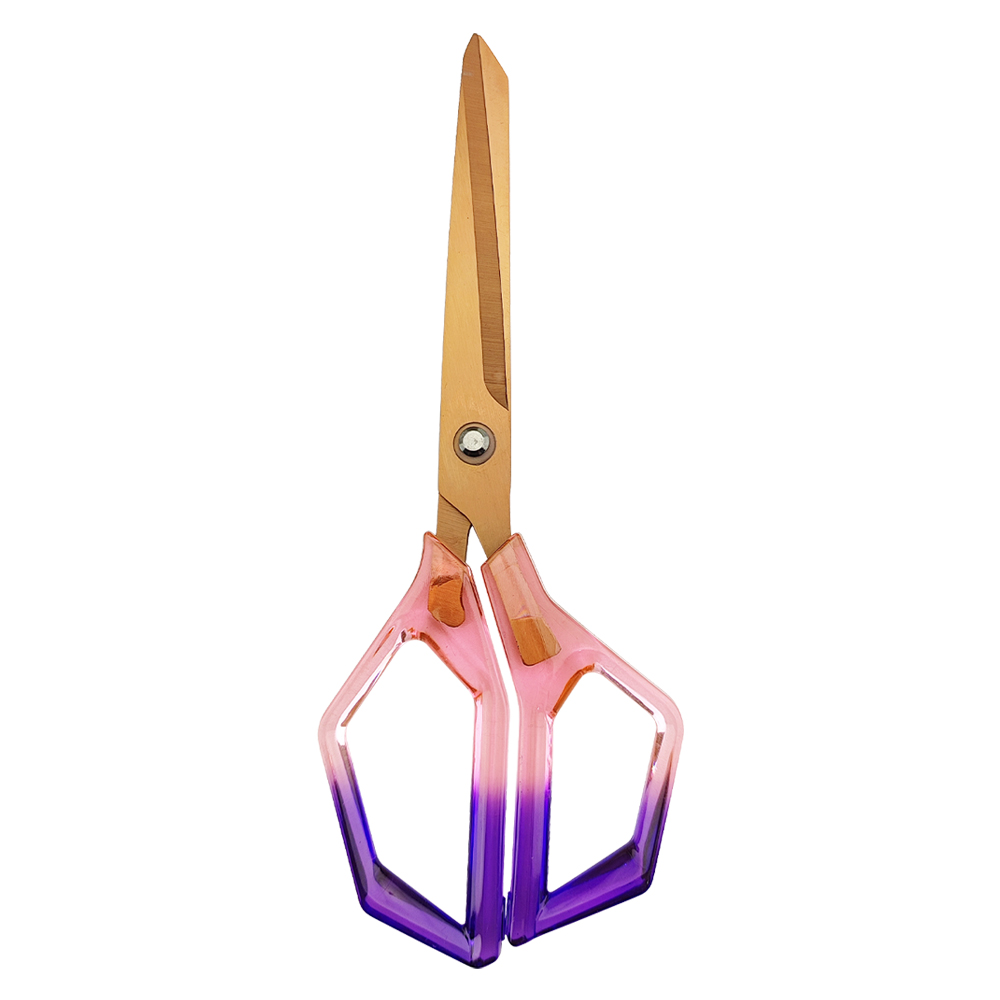
Professional office scissors look simple, but buyers know that small differences in blade finish, handle comfort, hinge movement, and packaging options can affect daily use and long-term satisfaction. For offices, schools, stationery brands, distributors, and promotional product buyers, scissors are not only a basic tool; they are also a product category where consistency matters.
The original Bonet Houseware article introduced professional office scissors, high-quality scissors OEM options, and a Yellow Titanium Scissors model with titanium-coated blades and vibrant yellow ergonomic handles. This rewritten guide keeps those useful product points while focusing on how to evaluate, source, and choose office scissors for practical business needs.
Key Takeaways
- Professional office scissors should be evaluated by cutting performance, blade finish, handle comfort, hinge smoothness, and consistency across batches.
- Titanium-coated blades can support sharp cutting and rust resistance when properly specified and maintained.
- Customizable office scissors may include color, branding, packaging, or product-set options, but buyers should confirm what is available with the supplier.
- For OEM or wholesale sourcing, ask clear questions about samples, tolerances, packaging, inspection steps, lead times, and documentation.
What Makes Office Scissors Professional?
Professional office scissors are designed for regular, repeated tasks rather than occasional emergency use. In a busy workspace, scissors may be used to cut printer paper, envelopes, labels, presentation boards, thin cardboard, light craft materials, or fabric samples. A professional-grade pair should feel stable in the hand, open and close smoothly, and cut predictably from the base of the blade to the tip.
The Yellow Titanium Scissors mentioned in the original article are presented as a model with titanium-coated blades, a minimalist hinge, and yellow ergonomic handles. Those are relevant features for business buyers because they affect both function and shelf appeal. However, the best choice depends on the target channel. A corporate office may prioritize comfort and reliability, while a stationery retailer may also care about color, packaging design, and display presentation.
Blade Quality: Why Coating, Sharpness, and Finish Matter
The blade is the main performance component of any scissors. Titanium-coated blades, as described in the source article, are commonly valued for sharp cutting performance and rust resistance. For office use, this can be useful when scissors are handled by many people or stored in drawers where moisture and dust may be present.
When evaluating samples, do not rely only on appearance. Test the scissors on the materials your customers are likely to cut. Paper should cut cleanly without tearing. Cardboard should not force the blades apart. Fabric should not be pulled or chewed at the edge. The original article states that the Yellow Titanium Scissors can cut through paper, cardboard, and fabrics smoothly, so buyers considering this type of product should verify that performance with their own sample testing.
Handle Comfort and Everyday Usability
A sharp blade is not enough if the handle is uncomfortable. Office scissors may be used for repeated cutting during mailing, filing, classroom preparation, craft work, or showroom tasks. The original product description notes vibrant yellow handles with an ergonomic design, lightweight materials, and a secure grip for various hand sizes. These features are worth checking closely during sample review.
Ask several people to test the same sample. A handle that feels comfortable to one user may feel tight or slippery to another. Check whether the finger loops have rough seams, whether the grip supports both quick snips and longer cuts, and whether the scissors remain easy to control near the blade tip. For bulk purchasing, comfort testing can reduce complaints after delivery.
Comparison Checklist for Sourcing Office Scissors
| Evaluation Point | What to Check | Questions to Ask a Supplier |
|---|---|---|
| Blade performance | Clean cuts on paper, cardboard, and light fabric | What materials are the scissors intended to cut, and can samples be tested? |
| Blade finish | Uniform coating, smooth edges, no visible defects | How is coating consistency inspected before shipment? |
| Handle design | Comfort, grip security, fit for different hand sizes | Can handle color or branding be customized? |
| Hinge movement | Smooth opening and closing without looseness | What tolerance or inspection standard is used for hinge assembly? |
| Packaging | Retail card, bulk pack, office set, or custom pack | Which packaging options are available for OEM or wholesale orders? |
| Batch consistency | Similar cutting feel across multiple samples | How are pre-shipment inspections handled? |
OEM and Customizable Office Scissors: What Buyers Should Clarify
High-quality scissors OEM sourcing is useful for brands, importers, and distributors that want a product aligned with a specific market. Customizable office scissors may involve handle color, logo placement, packaging artwork, product bundles, or assortment planning. The original article highlights customization as a benefit, but commercial details should always be confirmed directly with the supplier.
Before requesting a quotation, prepare a clear brief. Include your target market, intended cutting materials, preferred handle color, branding needs, packaging format, and expected order quantity. If you do not yet know the quantity, ask the supplier what information is needed to estimate production feasibility. Avoid assuming minimum order quantity, price, lead time, certification, or testing results unless the supplier provides written confirmation.
- Request physical samples before confirming a bulk order.
- Test samples on the exact materials your customers will use.
- Ask which parts of the scissors can be customized.
- Confirm packaging dimensions, labeling requirements, and carton details.
- Agree on inspection criteria for blade finish, handle appearance, hinge movement, and cutting performance.
Use and Care Guidance for Longer Service Life
Even durable scissors perform better when used correctly. Office scissors should be matched to the task. Cutting thick plastic, wire, or adhesive-heavy materials can reduce performance, especially if the scissors were intended mainly for paper, cardboard, fabric, and general office use. If adhesive residue builds up on the blades, clean it carefully and dry the scissors before storage.
Store scissors in a drawer, desktop organizer, or protective sleeve where the blade edges will not be damaged by other metal tools. Avoid dropping them, because impact can affect blade alignment or hinge movement. In shared workspaces, labeling scissors by use category can also help: one pair for paper, another for packaging tape, and another for craft materials.
How to Choose the Right Scissors for Your Channel
For corporate offices, prioritize comfort, reliable cutting, and a professional appearance. For schools and craft channels, consider color visibility, easy handling, and suitability for common classroom materials. For stationery retail, packaging and shelf presentation can be as important as cutting performance. For promotional programs, discuss branding and packaging early so the supplier can confirm what is realistic.
The Yellow Titanium Scissors described in the original article may be a useful reference point for buyers who want titanium-coated blades, a bright yellow handle, ergonomic handling, and smooth cutting for common office and creative tasks. Still, the strongest sourcing decision comes from comparing samples, confirming specifications, and documenting quality expectations before production.
Practical FAQ
What are professional office scissors used for?
They are commonly used for cutting paper, envelopes, labels, cardboard, presentation materials, and light craft or fabric materials. Buyers should confirm the intended use with the supplier before ordering.
Are titanium-coated blades better for office scissors?
Titanium-coated blades are valued for sharpness and rust resistance, as noted in the original product description. Buyers should still test samples to confirm cutting performance and coating consistency.
Can office scissors be customized for OEM orders?
Customization may include handle color, branding, packaging, or assortment options. Available choices depend on the supplier, so ask for confirmed options, artwork requirements, and sample procedures.
What should wholesale buyers check before placing an order?
Check samples, cutting performance, handle comfort, hinge smoothness, packaging quality, batch consistency, lead time, inspection process, and any documentation required for your market.
How should office scissors be maintained?
Use them for suitable materials, remove adhesive residue when needed, keep the blades dry, and store them where the cutting edges will not be damaged.
