




OEM Soft Grip Scissors: A Practical Guide for Better Sourcing Decisions
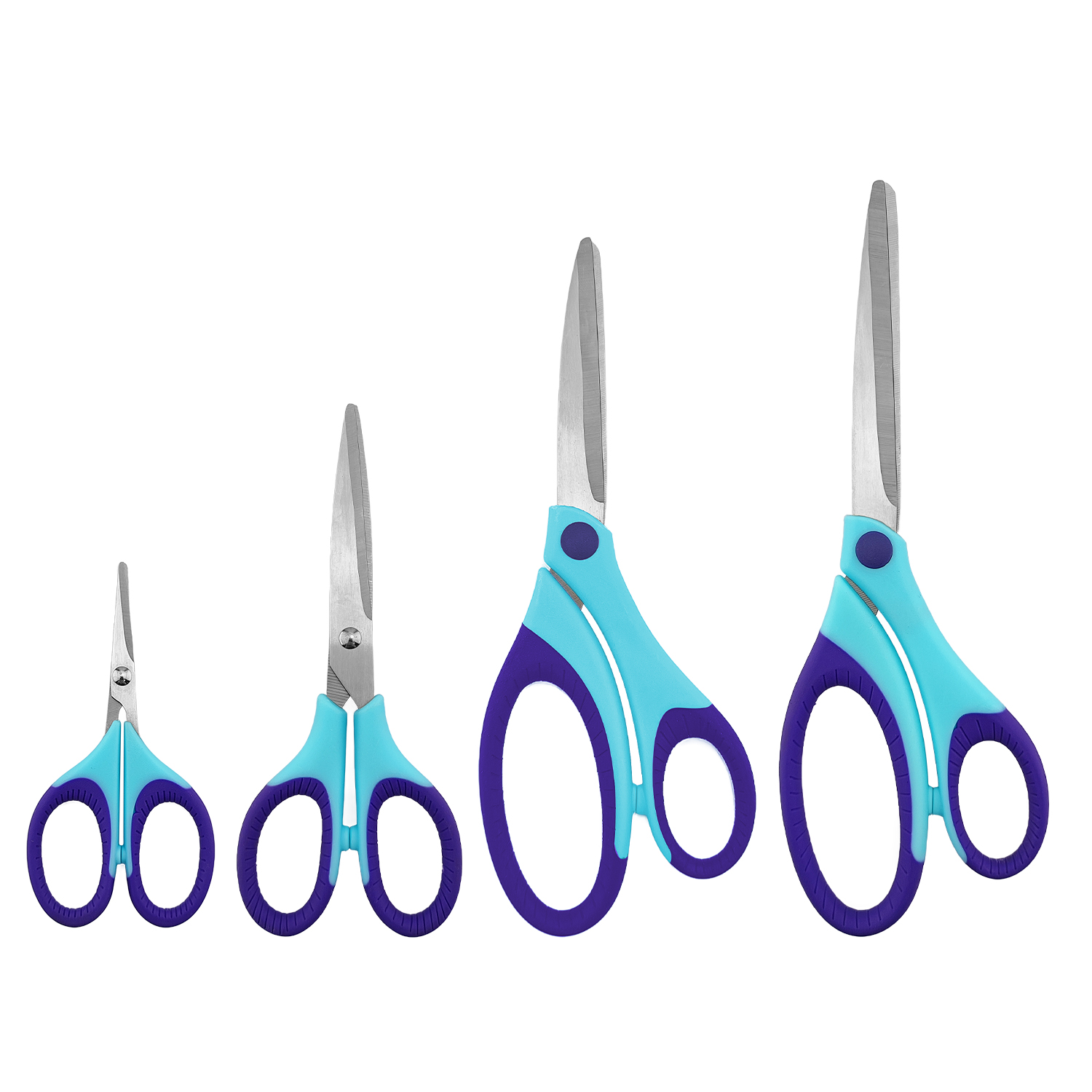
OEM soft grip scissors are often simple products on the surface, but they can create many sourcing questions for importers, wholesalers, private-label brands, and household goods distributors. Buyers need a tool that feels comfortable in the hand, cuts reliably, looks appropriate for the target market, and can be supplied with consistent quality from order to order. The original Bonet Houseware article highlighted soft-grip handles, turquoise and purple handle colors, stainless steel blades, and use across home, craft, sewing, and household tasks. This rewritten guide keeps those explicit points while focusing on what B2B buyers should evaluate before placing an OEM or wholesale order.

Key Takeaways
- Soft grip scissors should be judged by hand comfort, cutting performance, durability, and consistency, not appearance alone.
- Stainless steel blades are mentioned in the source, but buyers should still ask the supplier to confirm the blade material, hardness, edge treatment, and care guidance.
- For OEM programs, confirm customization options, packaging, labeling, samples, inspection standards, lead time, and after-sales handling before committing.
- Household scissors may be used for paper, fabric, crafts, sewing, and general tasks, but buyers should define the intended use clearly to avoid mismatched products.
What Makes Soft Grip Scissors Different?
The main purpose of a soft grip handle is to make repeated cutting more comfortable. A hard handle may be acceptable for occasional use, but buyers serving home, school, craft, sewing, or light office categories often look for scissors that feel secure and cushioned. The original article describes a soft-grip handle designed to reduce strain during prolonged use and a non-slip grip that adapts to the hand's natural shape. These points matter because consumer satisfaction is closely linked to how the scissors feel during real tasks.
For B2B buyers, comfort should be evaluated with actual samples rather than catalog images only. Ask several people to test the scissors with common materials such as paper, thin packaging, thread, or fabric samples. Note whether the handle causes pressure points, whether the finger openings fit the target market, and whether the tool feels balanced when opening and closing.
Common Applications for Household and Craft Buyers
OEM soft grip scissors can fit several retail and wholesale categories. The source article refers to paper, fabric, crafting, sewing, and simple household chores. These are useful positioning points, but buyers should avoid overstating the product's capabilities unless the supplier provides evidence and specifications. For example, a household scissor that cuts paper well may not be the best choice for thick textiles, heavy cardboard, or industrial materials.
When planning a product line, define the application first. A craft-focused SKU may need a colorful handle and clean retail packaging. A sewing accessory SKU may need smoother action and a finer cutting point. A general household SKU may prioritize comfort, value, and durability. The same basic design can be marketed differently, but the quality requirements should match the end use.
Selection Checklist for OEM Soft Grip Scissors
Before selecting a model, compare samples against a clear checklist. The table below can help procurement teams, product managers, and quality inspectors discuss the same criteria with a supplier.
| Evaluation Area | What to Check | Questions to Ask the Supplier |
|---|---|---|
| Handle comfort | Soft grip feel, finger opening size, pressure points, slip resistance | Can you provide handle material details and sample options for testing? |
| Blade performance | Clean cutting, alignment, opening and closing smoothness | What blade material and edge process are used, and how is sharpness checked? |
| Intended use | Paper, fabric, craft, sewing, or general household tasks | Which materials is this model designed to cut in normal use? |
| Appearance | Color consistency, finish, branding space, visual fit for the retail channel | Are turquoise, purple, or other handle colors available for OEM orders? |
| Packaging | Retail card, blister, bulk pack, barcode, warning text, label placement | Can packaging be customized, and what files or approvals are required? |
| Quality control | Inspection method, defect limits, sample approval, carton checks | What inspection standard is used before shipment? |
Blade and Handle Details Buyers Should Verify
The original article mentions stainless steel blades and sharp, precise cuts. Stainless steel is a common blade choice for household scissors, but the phrase alone does not tell a buyer everything needed for sourcing. Different stainless steels, blade thicknesses, edge angles, fastening methods, and surface finishes can affect the user experience. Instead of assuming a specification, ask the supplier to state the blade material, blade thickness, hardness if available, corrosion-resistance expectations, and recommended use conditions.
The handle also deserves attention. Soft grip can refer to different materials and constructions. Some handles have a rigid base with softer insert areas, while others may use a different molded structure. Buyers should ask what handle material is used, whether color matching is available, and whether the supplier can match a target color standard if private-label consistency is important.
OEM Customization and Branding Considerations
OEM sourcing is not only about putting a logo on an existing product. A successful scissors program may involve handle color selection, retail packaging design, barcode placement, warning statements, carton marks, and instruction or care information. The original article references turquoise and deep purple handles. Those colors may be useful for a modern household or craft assortment, but buyers should confirm current availability and whether color changes affect lead time or order requirements.
Before approving production, request pre-production samples that show the final handle color, logo method, packaging, and carton information. If multiple SKUs are planned, define how each model will be distinguished in the warehouse and at retail. Clear specifications reduce misunderstandings and make inspection easier.
Quality Checks Before Wholesale Orders
For scissors, small defects can create noticeable problems for users. Blades that do not align, loose pivots, rough handle edges, inconsistent color, or poor packaging can lead to returns. Buyers should build a practical inspection plan before shipment. At minimum, the inspection can include visual checks, opening and closing function, cutting tests on agreed materials, package review, barcode scan checks, and carton count verification.
Ask the supplier how defects are classified and what happens if inspection results do not meet the agreed standard. Also ask whether replacement parts, remake procedures, or credit handling are available if a confirmed quality issue appears after delivery. These are commercial details that should be discussed directly rather than assumed.
Care Guidance for End Users
Although this is a B2B sourcing topic, end-user care information can improve customer experience. For household scissors, simple guidance may include using the scissors only for suitable materials, wiping blades dry after contact with moisture, storing them safely, and keeping them away from children unless supervised. If the supplier recommends any specific cleaning method, oiling practice, or restriction, include that information on packaging or an insert.
Good care instructions also protect the brand. They help consumers understand that a household scissor is not intended for every cutting task. If the product is marketed for craft, sewing, or general home use, packaging should avoid claims that have not been confirmed through testing or supplier documentation.
FAQ
What are OEM soft grip scissors?
They are scissors that can be supplied for an original equipment manufacturer or private-label program, with soft grip handles intended to improve comfort during everyday cutting tasks.
Are these scissors suitable for fabric?
The original article mentions fabric and sewing use, but buyers should test samples on the exact fabric types they plan to market for and confirm the intended use with the supplier.
Can the handle color be customized?
The source mentions turquoise and deep purple handles. For other colors, buyers should ask the supplier about color matching, sample approval, lead time, and any order requirements.
What should buyers confirm before placing an OEM order?
Confirm blade material, handle material, sample performance, packaging, logo method, inspection criteria, lead time, shipment packing, and how quality issues are handled.
How can a buyer compare different household scissors suppliers?
Compare real samples, not only quotations. Review comfort, cutting performance, packaging quality, communication speed, documentation, inspection process, and consistency across multiple samples.
Final Sourcing Advice
OEM soft grip scissors can be a practical addition to a household, craft, sewing, or general home goods range when the sourcing process is specific. The product should be evaluated for comfort, blade performance, handle finish, packaging, and repeatable quality. Rather than relying on broad claims, buyers should turn each claim into a question, a sample test, or a written specification. That approach helps wholesalers and private-label brands select scissors that fit their market while reducing preventable quality and communication problems.
