




Discover the Leading Fabric Shear Factory: A Buyer’s Sourcing Guide
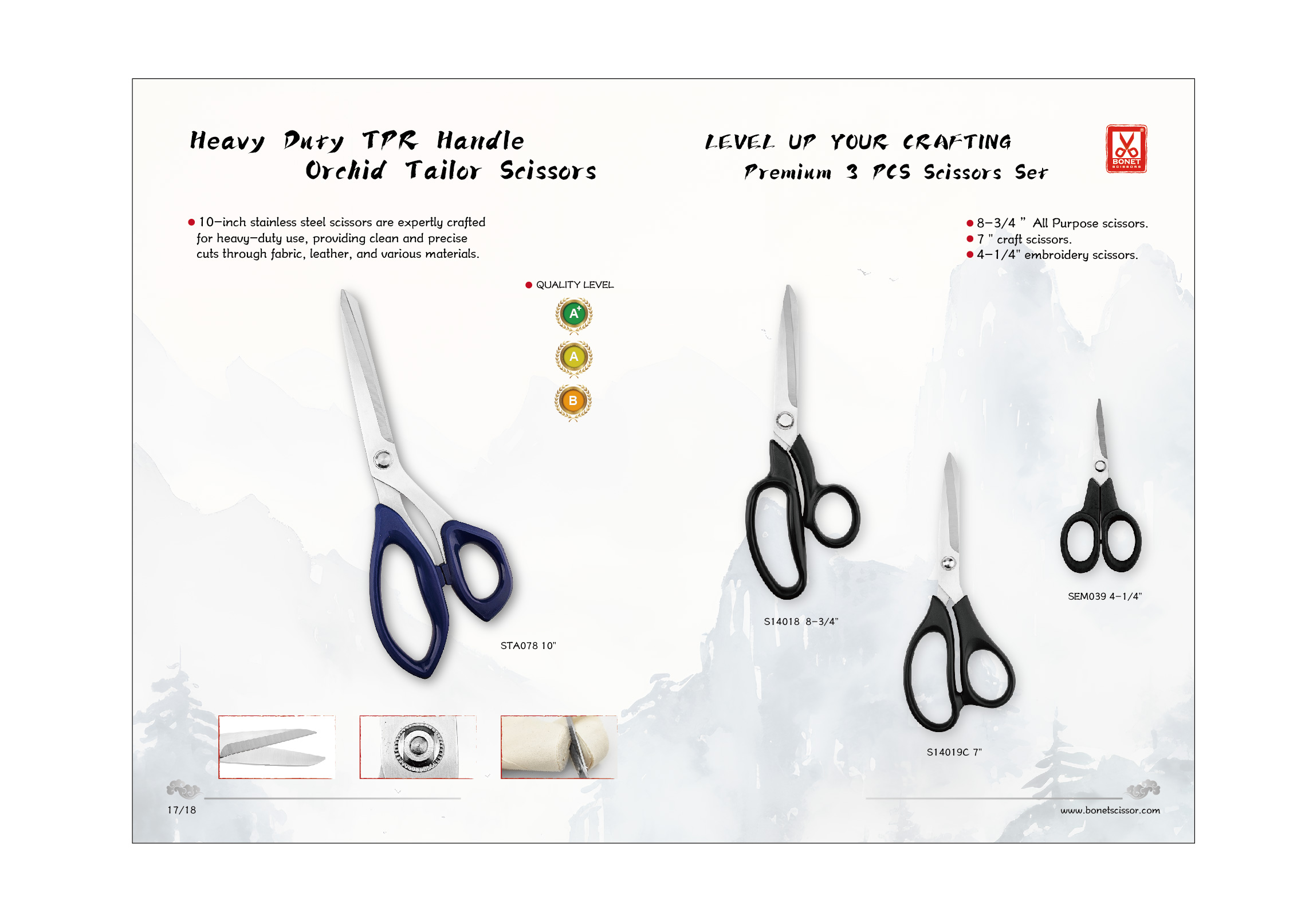
For apparel workshops, textile distributors, upholstery businesses, craft brands, and private-label tool buyers, choosing a fabric shear factory is not simply a matter of finding a sharp pair of scissors. Fabric shears must cut consistently through different materials, feel controlled in the hand, and hold up under repeated daily use. The right supplier can help buyers compare standard models, discuss custom fabric shearing requirements, and plan quality checks before a bulk order is placed.
This guide explains how to evaluate a fabric shear factory from a B2B sourcing perspective. It focuses on practical questions: what to inspect in professional fabric shears, how to compare OEM or wholesale options, what information to request from a supplier, and how to avoid vague claims that are not supported by samples or documentation.
Why Fabric Shears Need Specialist Sourcing
Fabric shears are used differently from general-purpose scissors. Tailors, pattern makers, sewing rooms, upholstery teams, and textile sample departments often cut long lines, layered fabric, or repeated shapes. Poorly matched shears can create jagged edges, hand fatigue, inaccurate cutting, or inconsistent results across operators.
A specialist fabric shear factory should be able to explain the intended application of each model. Some buyers need shears for lightweight cloth and sample cutting, while others need tools for heavier textile work. Before comparing prices, define the use case clearly. A sourcing request should include the fabric types, expected cutting frequency, preferred size range, packaging needs, and whether the order is for wholesale distribution, retail branding, or internal production use.
What to Check in Professional Fabric Shears
The original article highlights the importance of professional quality, clean cutting, and reliable performance. In practice, buyers should verify these points through samples rather than relying only on product descriptions. When reviewing professional fabric shears, examine the blade alignment, opening and closing smoothness, handle comfort, screw tension, finish consistency, and cutting performance on the materials most relevant to your customers or production team.
- Cut line: Test whether the shears cut cleanly from heel to tip without snagging.
- Balance: Check whether the tool feels controlled during long cuts.
- Grip comfort: Ask several users to test the handle, because hand size and cutting posture vary.
- Consistency: Compare several sample units, not just one selected piece.
- Maintenance: Ask the supplier how the shears should be cleaned, stored, adjusted, or sharpened.
If a supplier states a specific blade material, coating, hardness, or ergonomic design, ask for the supporting specification sheet. Do not assume a material grade or performance level unless it is clearly confirmed in writing.
Standard Models vs. Custom Fabric Shearing Options
Many buyers start with standard tailor scissors or fabric shears because they are faster to evaluate and easier to compare. However, OEM and private-label buyers may need custom fabric shearing solutions. Customization can include branding, packaging, handle color, model selection, blade length, or other design details, depending on what the factory can actually support.
Before requesting a custom quotation, prepare a concise product brief. Include target users, preferred sizes, reference samples if available, branding requirements, packaging format, destination market, and expected order planning. Instead of asking only for the lowest price, ask the supplier what customization options are available, what changes require tooling, what minimum order quantities apply, and how pre-production samples are approved.
Comparison Checklist for Evaluating Suppliers
The table below can be used when comparing a fabric shear factory, trading company, or wholesale supplier. It keeps the review focused on verifiable sourcing details.
| Evaluation Area | What to Ask | Why It Matters |
|---|---|---|
| Product range | Which fabric shear sizes and models are available? | Confirms whether the supplier fits your market and use case. |
| Sample process | Can samples be provided before bulk production? | Allows cutting tests on real fabrics before committing. |
| Customization | What logo, packaging, handle, or model changes are possible? | Clarifies whether OEM or private-label needs can be supported. |
| Quality control | What inspections are performed before shipment? | Helps reduce inconsistent cutting, finish, or assembly issues. |
| Commercial terms | What are the MOQ, lead time, payment terms, and packing details? | Prevents misunderstandings during quotation and ordering. |
Quality Questions to Ask Before Ordering
A serious buyer should treat fabric shears as a performance product. Even when the design looks simple, small differences in alignment, tension, handle shape, and finishing can affect user satisfaction. Ask direct questions and request samples that represent normal production, not only display pieces.
- Which fabrics are the shears intended to cut most effectively?
- What blade material and handle material are used, and can they be confirmed in a specification sheet?
- How is blade sharpness or cutting consistency checked during production?
- Can the supplier provide packaging options for wholesale or retail channels?
- What is the procedure if a shipment has quality issues?
- Are spare parts, adjustment guidance, or maintenance instructions available?
These questions do not replace your own inspection, but they help identify whether a supplier understands the requirements of professional fabric shears and B2B order management.
Wholesale, OEM, and Private-Label Buying Tips
For wholesale buyers, consistency across cartons is usually more important than a single impressive sample. For OEM buyers, communication and approval control are equally important. Confirm the final sample, artwork, label text, carton marks, and packaging layout before production. Keep a written record of approved details so both sides can refer to the same standard.
If you are building a product line, consider offering a focused range rather than too many similar models. For example, a distributor may choose several commonly requested sizes of tailor scissors and then add a premium or specialty option after collecting customer feedback. This reduces inventory risk and makes quality comparison easier.
Key Takeaways
- A fabric shear factory should be evaluated by sample performance, communication, and quality control, not price alone.
- Professional fabric shears should be tested on the actual textiles your users cut most often.
- Custom fabric shearing requests should include clear branding, packaging, sizing, and approval requirements.
- Ask suppliers to confirm materials, MOQ, lead time, inspection steps, and after-sales handling before ordering.
FAQ: Fabric Shear Factory Sourcing
What is the difference between fabric shears and ordinary scissors?
Fabric shears are intended for textile cutting and are commonly selected for cleaner, longer cuts through cloth. Buyers should test samples on their own materials to confirm performance.
Can a fabric shear factory support custom branding?
Many suppliers may offer branding or packaging options, but the available methods, MOQ, lead time, and costs should be confirmed directly with the supplier.
How should I test samples before a wholesale order?
Cut several fabric types, compare multiple sample units, check tip-to-heel cutting, inspect finish quality, and ask different users to evaluate comfort and control.
What details should be included in an RFQ?
Include model or size requirements, target application, order quantity estimate, packaging needs, logo requirements, destination market, sample request, and any inspection expectations.
Should I ask about certifications or compliance?
Yes. Requirements depend on your market and sales channel. Ask the supplier what documents are available, but do not assume certification unless valid documentation is provided.
