




OEM School Scissors for Kids: A Practical Sourcing Guide
OEM school scissors are a small classroom product, but they carry important expectations. Buyers need a child-friendly design, consistent cutting performance, dependable packaging, and customization that fits school, stationery, craft, or promotional channels. For distributors, wholesalers, private-label brands, and educational supply buyers, the right sourcing decision depends on more than a cute pattern. It requires clear product requirements, sample testing, and practical communication with the supplier.
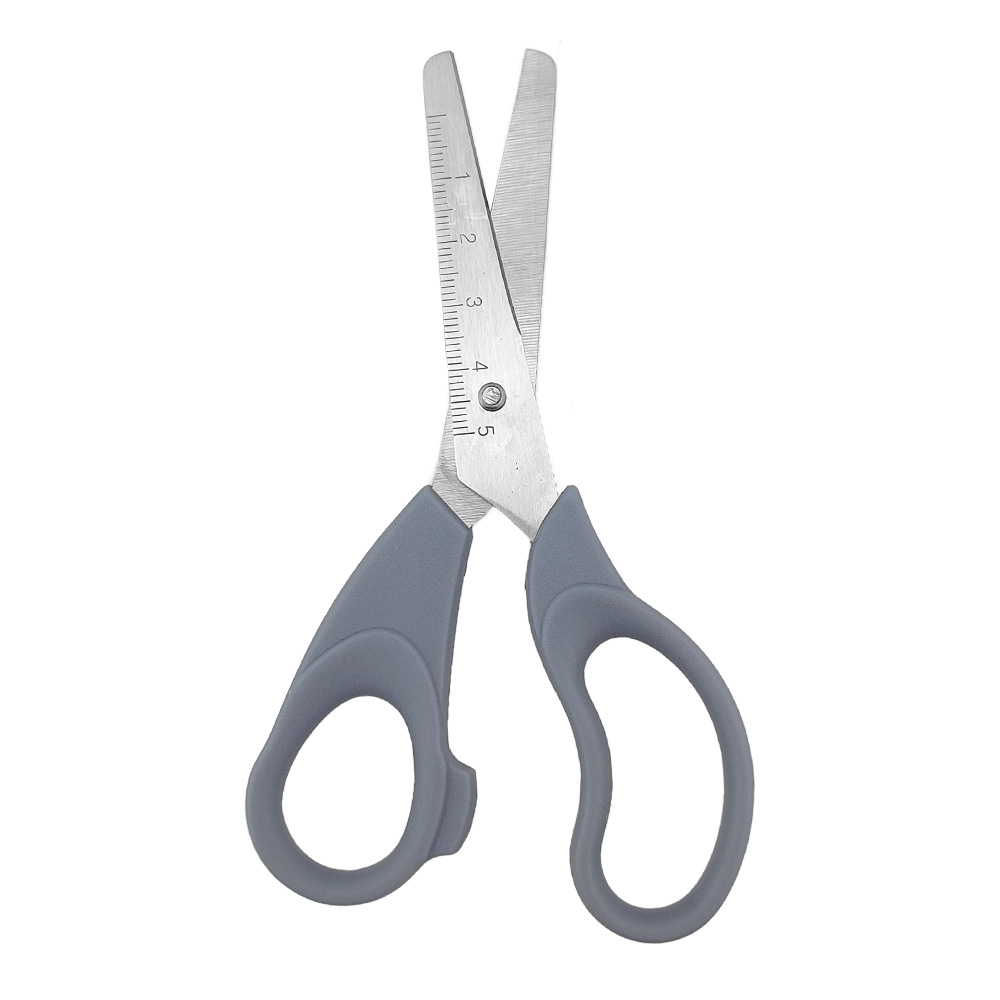
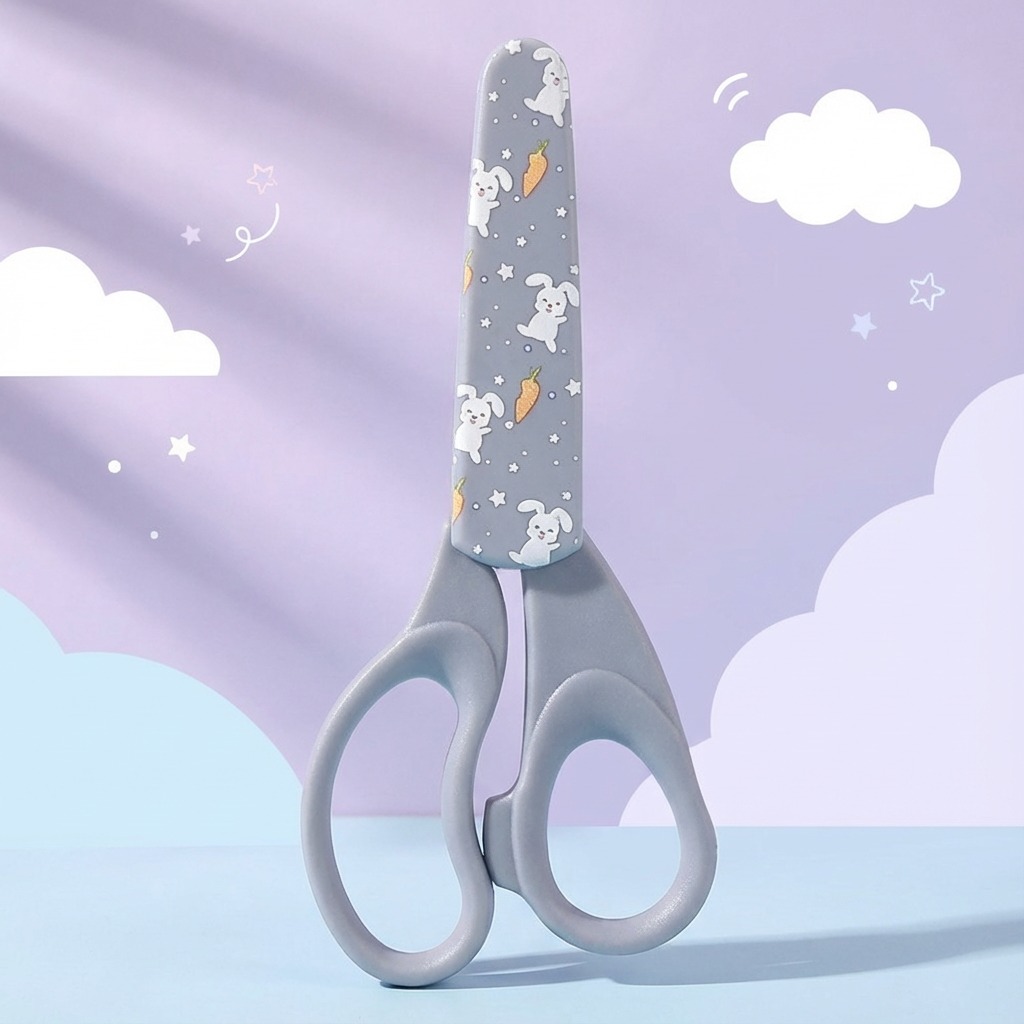
The original product example highlights several useful ideas: school scissors designed for children, rounded blade tips, ergonomic handles for small hands, a pastel gray look with playful white bunnies, carrots, and small star motifs, plus the option of scissors with a cover for storage or transport. Those are relevant features for a school or craft product line, but buyers should still verify details before ordering, especially when purchasing OEM items for different markets.
Key Takeaways
- OEM school scissors should be reviewed for safety, comfort, usability, and packaging before bulk sourcing.
- Rounded tips, child-sized handles, non-slip grip areas, and covers can improve classroom practicality, but specifications should be confirmed with the supplier.
- Customization may include colors, patterns, packaging, and branding, depending on the factory’s available options.
- Buyers should ask about materials, test reports, sample lead time, production lead time, MOQ, carton packing, and quality inspection procedures rather than assuming them.
What Makes OEM School Scissors Different?
OEM school scissors are produced for a buyer’s brand, design brief, or packaging plan. Unlike generic ready-stock scissors, OEM projects may involve customized colors, printed patterns, logo placement, retail cards, storage covers, or assortment planning for school supply programs. This makes them useful for importers, stationery brands, supermarket buyers, educational distributors, and promotional product companies.
Because the end users are children, the sourcing process should be more careful than for general office scissors. The buyer should define the user age range, typical cutting tasks, preferred handle size, blade tip shape, cover requirements, and packaging style. A product suitable for supervised paper crafting may not be appropriate for heavier materials, and a design that looks attractive online may still need hands-on testing for comfort and control.
Safety Features to Review Before Ordering
The source article mentions safety scissors with rounded blade tips. Rounded tips are a common design choice for children’s scissors because they help reduce the risk of accidental poking during classroom use, storage, or transport. However, buyers should not rely on appearance alone. Request physical samples and check whether the tip shape, blade edge, opening angle, and handle geometry match your target market.
For children’s products, safety review should include several practical checks:
- Confirm the intended age group and whether the supplier can label packaging accordingly.
- Check that the scissors cut paper smoothly without requiring excessive hand pressure.
- Inspect handle edges, seams, and grip areas for rough spots.
- Test whether the blades open and close consistently after repeated use.
- Ask what compliance documents or test reports are available for your destination market, without assuming certification is already included.
If your sales channel requires specific child-product documentation, raise that requirement at the quotation stage. Compliance expectations vary by country and buyer, so it is best to make them part of the written specification.
Design, Comfort, and Classroom Usability
Children’s scissors need to be manageable for small hands. The original article refers to ergonomic handles and non-slip grips, both of which are relevant selection points. During sample review, buyers should ask teachers, parents, or product testers to evaluate whether the handle openings feel suitable, whether the scissors are easy to control, and whether the product supports basic paper-cutting activities.
Visual design also matters in school and retail settings. The source describes a pastel gray finish decorated with white bunnies, carrots, and tiny stars. This type of playful pattern can help a product feel more engaging for children, especially in craft kits, back-to-school collections, or stationery displays. For OEM purchasing, buyers should ask which design elements are customizable, whether artwork files are required in a specific format, and whether printed decorations have limitations in color, position, or durability.
Why Scissors with a Cover Can Be Useful
Scissors with a cover are practical for school bags, desk drawers, craft boxes, and retail sets. A cover can help protect the blade area during storage and make the product feel more complete for parents and teachers. It can also add perceived value in a private-label program, especially when sold as a single item rather than part of a larger kit.
When reviewing scissors with cover options, check the fit carefully. A cover that is too loose may fall off in a backpack, while one that is too tight may be difficult for a child or teacher to remove. Ask whether the cover color can match the handle, whether it can be branded, and whether it is included in the unit price or quoted separately. Also confirm how the covered scissors will be packed, because the cover may affect blister card size, carton quantity, and shipping efficiency.
Comparison Checklist for OEM Buyers
| Selection Point | What to Check | Questions to Ask the Supplier |
|---|---|---|
| Blade tip design | Rounded tips, smooth opening and closing, suitable cutting feel | Can you provide samples for safety and cutting tests? |
| Handle comfort | Child-sized grip, smooth edges, stable control | What handle sizes and color options are available? |
| Cover option | Secure fit, easy removal, storage convenience | Is the cover included, optional, or customizable? |
| Artwork and branding | Patterns, logo position, packaging design limits | What file formats and color references do you need? |
| Packaging | Retail card, bulk packing, classroom set, carton strength | Can you quote different packing methods and carton details? |
| Quality control | Inspection process, sample approval, defect handling | What checks are performed before shipment? |
OEM Sourcing Process: From Sample to Order
A structured sourcing process reduces misunderstanding. Start with a short product brief that includes target users, quantity estimate, preferred appearance, packaging concept, destination market, and any required documents. Then request existing sample options before developing a new mold or special design. Existing models can help you evaluate size, cutting action, grip feel, and cover fit quickly.
After sample testing, prepare written comments. Be specific: note whether the handle color should change, whether the cover fit needs adjustment, whether packaging text requires warnings, and whether the blade tip shape meets your needs. Before confirming a purchase order, ask the supplier to clarify unit packing, carton packing, lead time, payment terms, inspection arrangement, and how approved samples will be used as production references.
Practical FAQ
Are OEM school scissors only for large stationery brands?
No. OEM school scissors can be relevant for wholesalers, school supply distributors, craft kit brands, promotional buyers, and retailers. The main issue is whether your order quantity, packaging needs, and customization expectations match the supplier’s capabilities.
Should I choose rounded-tip scissors for all children’s programs?
Rounded tips are commonly preferred for school and child-focused products, but you should define the target age group and cutting use. Always review samples and confirm any safety or compliance requirements for your market.
Is a scissors cover necessary?
Not always, but a cover can be helpful for storage, transport, and retail presentation. If you choose a cover, test whether it stays in place and whether it is easy enough to remove during normal use.
What customization details should I confirm?
Ask about handle colors, printed patterns, logo placement, packaging artwork, barcode placement, labeling text, and whether the supplier can provide pre-production samples for approval.
What should buyers avoid assuming?
Do not assume material grade, MOQ, certifications, production capacity, test results, or delivery time unless the supplier confirms them in writing. Treat each of these as a required sourcing question.
Final Thoughts for Buyers
OEM school scissors for kids can be appealing, safe-minded, and practical when the design is reviewed carefully. Features such as rounded tips, child-friendly handles, playful patterns, non-slip grip areas, and covers may all support a better classroom or craft experience. For B2B buyers, the best results come from clear specifications, sample testing, documented approvals, and direct questions about quality control, packaging, compliance, and delivery. A small product can still create big customer satisfaction when the sourcing work is done properly.
