




Multifunctional Jar Opener: A Practical Guide to Easier Lid Opening
Opening a tight jar lid should not require a towel, a knife edge, or a second person. For many households, stubborn lids are a regular frustration caused by vacuum seals, slippery glass, wet hands, or limited hand strength. A multifunctional jar opener, sometimes called a universal jar opener or bottle opener tool, is designed to make this task more controlled and less tiring.
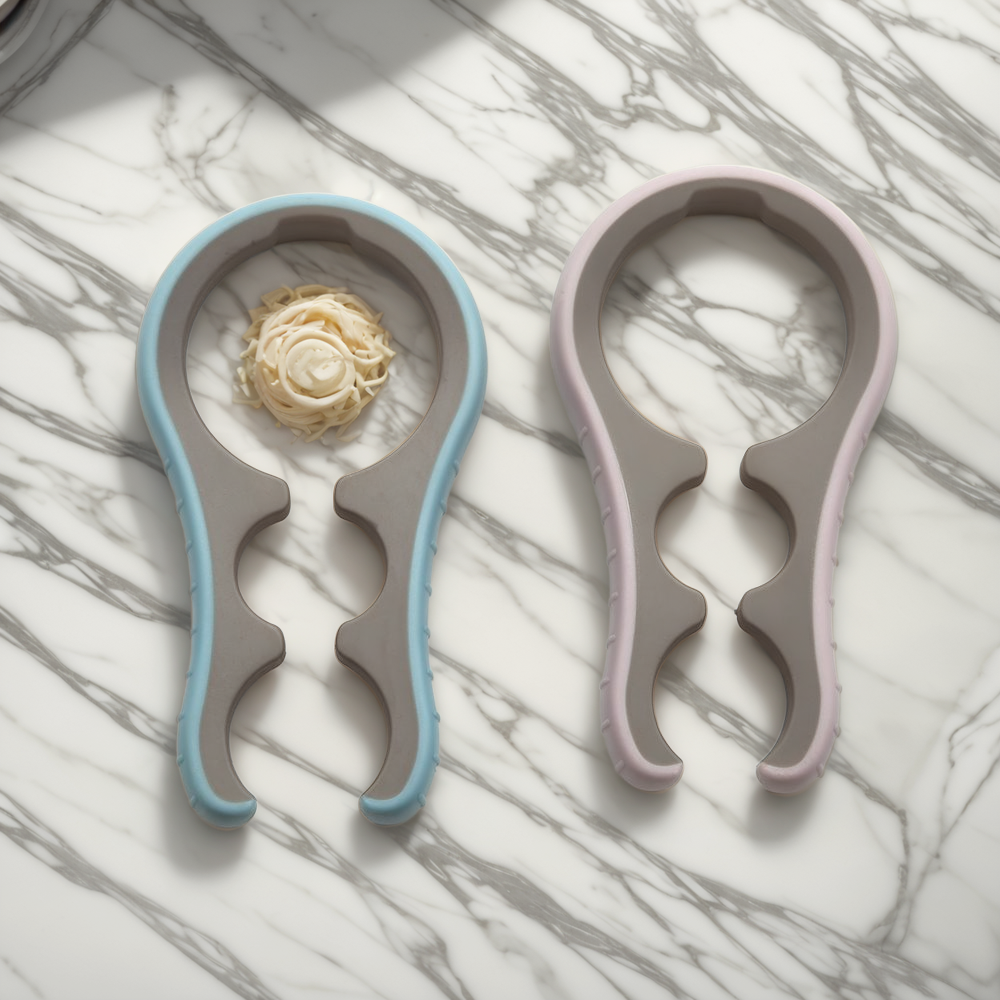
The original product described is a lightweight universal jar opener with a grip-friendly rubberized exterior, a sturdy inner structure, textured sides, and a curved design with multiple grooves for different lid sizes. It is available in teal and lavender color combinations and can be stored in a drawer or hung for quick access. This guide explains how a tool like this works, what to compare before buying, and how to use and care for it properly.
Key Takeaways
- A universal jar opener helps improve leverage and grip on lids of different sizes.
- Multiple grooves are useful for moving between small condiment jars and larger pickle jars.
- A rubberized exterior and textured sides can make the tool easier to hold with dry or slightly damp hands.
- Choose based on lid range, grip comfort, storage needs, and ease of cleaning.
What a Multifunctional Jar Opener Does
A multifunctional jar opener is built to grip a lid more securely than bare hands can. Instead of relying only on finger strength, the opener gives you a shaped handle and contact points that help transfer twisting force more evenly. This can be useful for glass jars, food containers, and some bottle caps, depending on the tool’s groove sizes and shape.
The curved design described in the source material includes multiple grooves. In practical use, this means the opener can be matched to different lid diameters. A smaller groove may fit condiment jars, sauce bottles, or narrow caps, while a wider groove may help with larger food jars such as pickles. The goal is not to force one opening size to work on everything, but to choose the groove that seats most securely around the lid.
Who Benefits Most from an Easy-Grip Opener?
This type of kitchen aid is helpful for anyone who opens jars regularly, but it is especially useful when hand comfort matters. People with reduced grip strength, wrist discomfort, smaller hands, or slippery kitchen conditions may find that a rubberized opener reduces the amount of effort needed. It can also be useful for busy family kitchens where different users need one simple tool that works across common container sizes.
It is important, however, to use realistic expectations. A jar opener improves grip and leverage, but it is not a solution for damaged lids, unsafe containers, or lids that are cross-threaded. If a jar looks cracked, bulging, leaking, or otherwise unsafe, do not force it open for food use.
Features to Compare Before Buying
When choosing a universal jar opener, look beyond color and general appearance. The most useful model is the one that fits the lids you use most often and feels stable in your hand. The product described in the original article highlights a rubberized exterior, textured sides, and a sturdy inner structure. Those are relevant features because jar opening depends on both surface friction and structural support.
| Feature | Why It Matters | What to Check |
|---|---|---|
| Multiple grooves | Allows the opener to fit different lid diameters. | Compare the groove range with jars you use often. |
| Rubberized exterior | Helps reduce slipping and improves comfort. | Check whether the surface feels secure and easy to clean. |
| Textured sides | Provides extra hand contact during twisting. | Look for texture that grips without feeling sharp. |
| Lightweight build | Makes daily use and storage easier. | Confirm it still feels stable, not flimsy. |
| Storage option | Keeps the tool accessible when needed. | Check whether it fits in a drawer or can be hung. |
How to Use a Universal Jar Opener Correctly
Good technique matters. If the opener is not seated properly, it may slip or require more force than necessary. Start by drying the lid and your hands. Choose the groove that fits most closely around the lid, then press the opener down evenly so the grip points contact the lid. Hold the jar on a stable surface with your other hand and twist slowly in the opening direction.
- Place the jar on a dry, flat surface.
- Select the groove that fits the lid securely.
- Grip the textured sides of the opener firmly but comfortably.
- Apply steady turning pressure rather than sudden force.
- If the lid does not move, stop, reset the opener, and try again.
Avoid using excessive force if the opener slips repeatedly. In some cases, gently tapping around the lid edge or running the lid under warm water may help loosen a vacuum seal, but always consider the container material and food safety before applying heat.
Use-and-Care Tips for Longer Service
Because jar openers come into contact with food containers, they should be kept clean and dry. Wipe the rubberized exterior after use, especially if it touches oil, sauce, syrup, or moisture. Food residue can reduce grip over time and make the surface unpleasant to handle. Unless the supplier specifically states that the product is dishwasher safe, hand cleaning is the safer assumption.
Store the opener where it is easy to reach. A drawer works well if the tool does not get buried under heavier utensils. If the design includes a hanging option, hanging it near a preparation area can save time. Keep it away from sharp knives or tools that could damage the rubberized surface.
Common Mistakes to Avoid
- Using the wrong groove size, which can cause slipping or uneven pressure.
- Twisting too quickly instead of applying steady force.
- Trying to open cracked, swollen, or otherwise unsafe jars.
- Leaving the opener wet or oily after use.
- Assuming one tool fits every cap or lid without checking the size range.
A well-designed opener should make ordinary lids easier to handle, but it should still be used with care. If a lid is unusually tight, pause and reassess rather than forcing the tool beyond its intended use.
Color, Design, and Everyday Convenience
The original article notes two color combinations: energizing teal and soft lavender. Color is not the most important performance factor, but it can help the tool stand out in a drawer or match a kitchen preference. More important is the slim, practical profile. A tool that is easy to store is more likely to be used regularly instead of forgotten in a cabinet.
The combination of a sturdy inner structure and a comfortable outer grip is also relevant. A jar opener must resist flexing while still feeling comfortable in the hand. If you are comparing several options, test how the handle shape feels from different angles and whether the texture supports your grip without requiring hand strain.
Practical FAQ
Can one universal jar opener open every lid?
No. A universal design can cover a wide range of common lid sizes, especially when it has multiple grooves, but it may not fit every cap, jar, or specialty container. Check the fit before applying force.
Is this type of opener suitable for people with limited hand strength?
It can help because the rubberized exterior, textured sides, and shaped grip improve leverage. Users with significant pain or mobility limits should choose the lightest comfortable option and avoid forcing stuck lids.
How should I clean a rubberized jar opener?
Wipe it with a damp cloth and mild dish soap when needed, then dry it fully. Do not assume it is dishwasher safe unless the supplier clearly states that it is.
What lid sizes should I test first?
Start with the jars you use most: condiments, sauces, jams, and larger jars such as pickles. The best opener is the one that fits your routine containers securely.
When should I replace a jar opener?
Replace it if the grip surface becomes slick, cracked, damaged, or difficult to clean, or if the inner structure no longer feels stable during use.
