




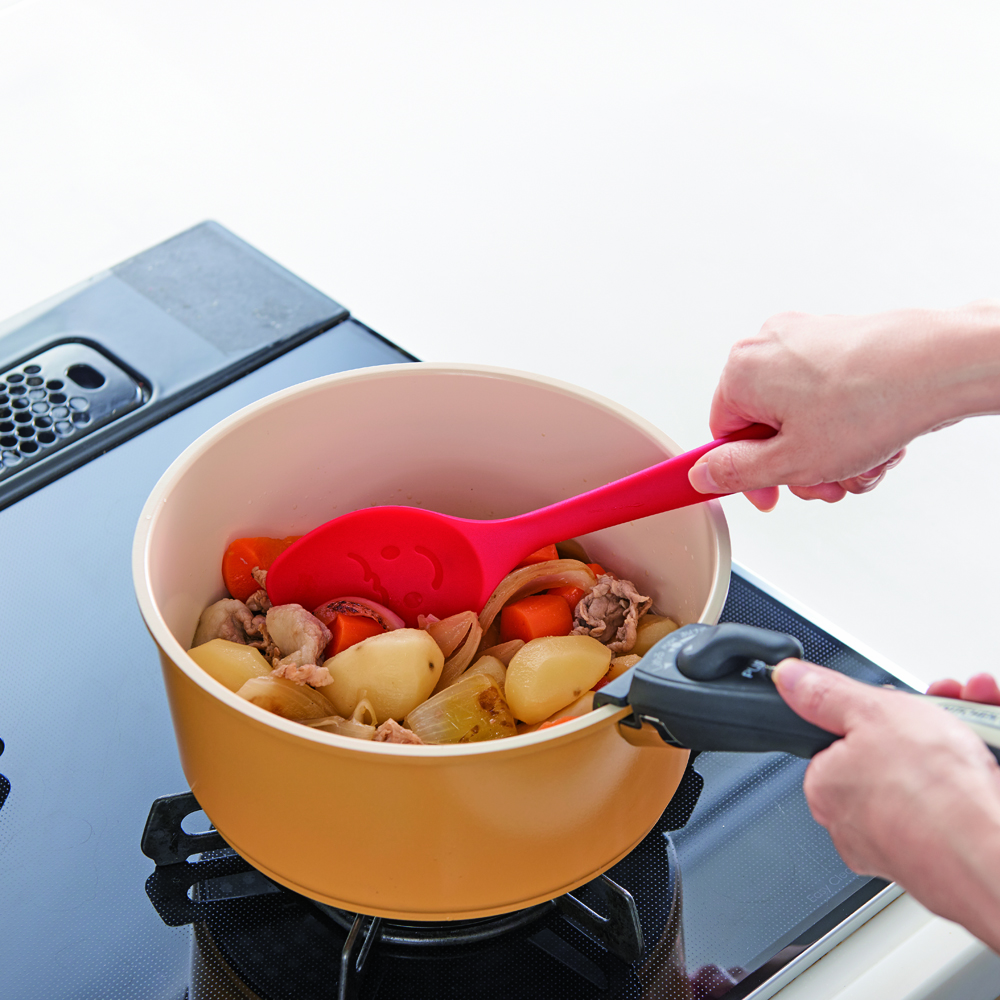
Silicone Cooking Utensils: A Practical Guide for Everyday Kitchens
Silicone cooking utensils have become common in modern home kitchens because they are practical, easy to handle, and available in a wide range of colors. The original article highlighted colorful silicone spoons, heat-resistant use, easy cleaning, and daily cooking tasks such as stirring soup or preparing stir-fry. This rewritten guide focuses on how to evaluate those benefits clearly so you can choose utensils that fit your cookware, cooking habits, and cleaning routine.
Unlike a decorative kitchen accessory, a cooking utensil is used repeatedly near heat, food, oil, water, and cookware surfaces. A good silicone spoon, spatula, or turner should feel comfortable in the hand, work well with pans and pots, and be simple to wash after use. The right choice depends less on bright color alone and more on shape, flexibility, handle design, and suitability for the dishes you cook most often.
Why Silicone Utensils Are Popular
Silicone utensils are often chosen for use with nonstick cookware because their softer edges are less likely to scrape delicate pan surfaces than metal tools. They can also be useful when cooking sauces, soups, eggs, rice dishes, and stir-fried vegetables where gentle contact with the pan matters.
The original content also emphasized heat-resistant performance. When shopping, check the supplier's stated temperature guidance and use instructions instead of assuming all silicone tools perform the same way. Avoid leaving any utensil resting in a hot pan for long periods, especially on direct contact with the bottom of cookware.
- Useful for stirring, scooping, folding, scraping, and serving.
- Often suitable for nonstick, ceramic-coated, and enamel cookware.
- Available in many colors for easy kitchen organization.
- Generally simple to rinse and clean after normal cooking.
- Offered in common shapes such as spoons, spatulas, ladles, and turners.
Common Silicone Utensil Types and Best Uses
A silicone spoon is one of the most versatile choices. It can stir soup, mix sauces, serve vegetables, or fold ingredients in a bowl. A deeper spoon is better for serving, while a flatter spoon is better for stirring and scraping along the sides of a pan.
A silicone spatula is useful for mixing batter, scraping bowls, spreading sauces, and folding soft ingredients. A turner or slotted spatula is better for lifting pancakes, eggs, fish, or fried foods. A ladle is designed for soup, stew, and broth, while tongs are useful for tossing noodles, salads, or vegetables.
If you cook mainly in pots, prioritize spoons and ladles. If you use frying pans every day, choose turners and spatulas with a thin enough edge to slide under food. If you bake often, flexible spatulas and scrapers may be more useful than a large spoon set.
Selection Checklist Before You Buy
Color can make kitchen tools more enjoyable to use, but performance comes from the details. Before buying a single silicone spoon or a full utensil set, compare the features that affect daily cooking.
| What to Check | Why It Matters | Question to Ask |
|---|---|---|
| Head shape | Determines whether the utensil is better for stirring, scraping, serving, or turning. | Does the shape match the meals you cook most often? |
| Flexibility | A flexible edge helps scrape bowls; a firmer head helps lift heavier food. | Is it too soft or too rigid for your cookware? |
| Handle comfort | Long cooking sessions are easier with a balanced, secure grip. | Does the handle feel stable when the tool is wet? |
| Heat guidance | Suppliers may provide different use limits and care instructions. | What temperature range and usage limits are stated? |
| Cleaning method | Some users prefer dishwasher cleaning; others hand wash to extend service life. | What cleaning method does the supplier recommend? |
| Storage | Hanging holes, compact handles, or nesting sets can save drawer space. | Will it fit your drawer, crock, or hanging rail? |
Using Silicone Utensils with Nonstick Cookware
Silicone utensils are frequently paired with nonstick pans because they are gentler than metal tools. This makes them useful for omelets, pancakes, sauces, and stir-fried dishes where a scratched surface can shorten the life of the cookware. Even so, careful technique still matters.
Do not cut food inside a pan with any cooking utensil, and avoid pressing sharp edges into cookware coatings. When turning food, slide the utensil under the food instead of forcing it. When stirring thick sauces or sticky rice dishes, use steady movements and avoid scraping aggressively in one spot.
For deep pots, choose a longer handle to keep your hand away from steam. For shallow pans, a lower-profile spatula or spoon may provide better control. If you use both cookware types, a mixed set can be more practical than buying several tools with the same shape.
Color, Design, and Kitchen Organization
The original article noted the appeal of colorful silicone spoons. Color can be more than decoration. In a busy kitchen, different colors can help separate tools by use: one color for baking, another for savory cooking, and another for serving. This can reduce confusion and make utensils easier to identify in a drawer or countertop holder.
Bright red, soft neutrals, or mixed-color sets can all work depending on the kitchen. However, color should not replace practical inspection. Look at the thickness of the utensil head, the transition between the handle and head, and whether there are grooves where food residue may collect. Smooth, simple shapes are often easier to clean.
Cleaning and Care Tips
Silicone utensils are usually straightforward to clean, especially after soups, sauces, and everyday cooking. Rinse soon after use so food does not dry onto the surface. For oily dishes, warm water and mild dish soap are usually the first step. Follow the supplier's care instructions if they differ.
- Wash before first use according to the product instructions.
- Avoid leaving utensils in direct contact with a hot pan when not stirring.
- Use a soft sponge rather than abrasive pads that may roughen the surface.
- Dry thoroughly before storing in a closed drawer or container.
- Inspect periodically for cracks, loosened handles, or damaged edges.
If a utensil becomes sticky, stained, cracked, or develops trapped residue in seams, it may be time to replace it. Good care helps extend use, but kitchen tools should still be checked regularly because they contact food every day.
Key Takeaways
Silicone cooking utensils are useful everyday tools when selected for the right job. Choose shapes based on your cooking habits, not only on color or set size. Check heat guidance, handle comfort, cleaning instructions, and compatibility with your cookware. A silicone spoon can be a practical all-purpose tool, while spatulas, turners, ladles, and tongs each serve more specific kitchen tasks.
For most home cooks, the best approach is to build a small set around the meals prepared most often. Start with a spoon, a spatula, and a turner, then add a ladle or tongs if your cooking routine calls for them.
FAQ
Are silicone utensils good for nonstick pans?
They are commonly used with nonstick pans because their softer surfaces are gentler than metal. Always follow the cookware maker's care instructions as well.
Can silicone cooking utensils handle high heat?
The original article describes silicone utensils as heat resistant, but limits can vary by product. Check the supplier's stated temperature guidance and avoid leaving tools sitting in hot cookware.
Which silicone utensil should I buy first?
A silicone spoon is a practical first choice because it can stir, scoop, mix, and serve. Add a spatula or turner if you cook eggs, pancakes, or pan-fried foods often.
Are colorful silicone spoons only decorative?
No. Color can help with organization and quick identification, but it should be considered alongside shape, comfort, flexibility, and cleaning ease.
How do I know when to replace a silicone utensil?
Replace it if the head is cracked, the handle becomes loose, residue is trapped in damaged areas, or the utensil no longer feels safe and clean for food contact.
