




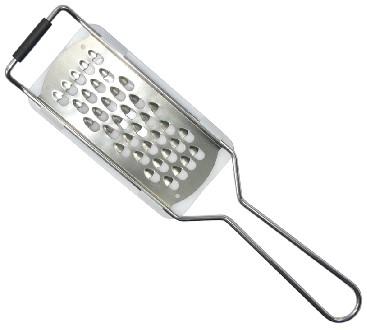
Discover the Top Stainless Steel Grater Supplier
Finding the right stainless steel grater supplier is not only about choosing a sharp kitchen tool. For retailers, importers, distributors, hospitality buyers, and private-label brands, it is also about product consistency, packaging options, replacement parts, communication, and dependable order follow-through. A stainless steel kitchen grater may look simple, but buyers should examine blade performance, handle comfort, construction details, and the supplier's ability to answer technical and commercial questions clearly.
The original product concept described is a six-in-one multi-functional grater with stainless steel construction, six interchangeable blades, and an ergonomic non-slip handle. Those are useful starting points for sourcing conversations. However, buyers should still confirm all material, testing, packaging, and order details directly with the supplier before making a purchase decision.
What Buyers Should Expect From a Stainless Steel Grater Supplier
A capable supplier should help buyers understand how the product is built, what tasks each blade supports, and how the item is packed for retail or bulk shipment. For a grater supplier, responsiveness matters because small design differences can affect end-user experience. For example, blade fit, handle grip, and ease of cleaning can influence reviews and repeat orders.
When evaluating a supplier, ask for clear product photos, available blade configurations, packaging options, sample policy, lead time, carton information, and whether replacement blades or customized packaging are available. If the order is for wholesale or OEM use, ask which details can be customized and which parts are fixed in the standard model.
Understanding the Six-in-One Grater Design
The existing article describes a multi-functional grater with six interchangeable blades. This type of kitchen tool appeals to buyers because it can cover several preparation tasks with one body. Instead of stocking separate tools for zesting, shredding, slicing, and julienne preparation, a six-blade format can offer broader utility in a compact product.
For sourcing purposes, the key question is not just how many blades are included, but whether each blade is useful, secure, and easy to change. Ask the supplier to demonstrate how the blades snap in and out, how stable they feel during use, and whether the blade edges are protected in the package. A product that looks versatile in a catalog still needs to perform safely and predictably in everyday food preparation.
Blade Functions to Confirm Before Ordering
The original product description identifies six blade styles. Blade A is intended for delicate grating such as Parmesan or citrus zest. Blade B is described as producing ribbon curls from chocolate or vegetables. Blade C provides medium-coarse textures for cheeses and vegetables. Blade D supports julienne slicing for items such as carrots or potatoes. Blade E is used for coarser preparation of root vegetables, while Blade F is described as suitable for shredding cabbage or soft cheese.
These functions are helpful for marketing and product training, but buyers should confirm them with real samples. Test the grater with the foods most relevant to your customers. A retailer focused on home baking may care more about citrus zest and chocolate curls, while a foodservice buyer may test cabbage shredding, carrot julienne, and cheese preparation more carefully.
Comparison Checklist for Supplier Evaluation
Use a structured checklist to compare stainless steel kitchen graters for sale. This helps avoid choosing only by price or catalog appearance.
| Evaluation Point | What to Check | Questions to Ask the Supplier |
|---|---|---|
| Blade set | Six interchangeable blades and intended uses | Can you provide photos or samples of each blade result? |
| Material claims | Stainless steel construction as stated | What material details can be documented for the blade and frame? |
| Handle design | Ergonomic, non-slip handle | What grip material is used, and how is it attached? |
| Blade changing | Ease and security of snap-in parts | Can the blade loosen during normal use? |
| Packaging | Retail box, bulk pack, or custom packaging | What packaging options are available for wholesale orders? |
| Commercial terms | Samples, lead time, MOQ, payment, shipping | What are the current order requirements and production timeline? |
Quality Questions for Wholesale and OEM Buyers
Wholesale buyers should avoid assuming that every stainless steel grater manufacturer follows the same process. Before placing a larger order, ask practical questions that affect risk and customer satisfaction.
- Can the supplier provide pre-production samples for review?
- Are blade sharpness, edge finishing, and fit checked before packing?
- How are interchangeable blades protected to reduce damage in transit?
- Can the supplier support private-label packaging or instruction inserts?
- What are the current minimum order quantities, lead times, and payment terms?
- What information is available about material, care instructions, and applicable market requirements?
Do not treat unanswered questions as minor details. If a supplier cannot explain the product clearly before an order, it may be harder to resolve issues after shipment.
Product Selection Guidance for End Users
Although this topic is supplier-focused, the final users are often home cooks, culinary students, or professional kitchen staff. A practical grater should feel stable in the hand, allow controlled pressure, and be simple to rinse after use. The non-slip handle mentioned in the source is an important comfort feature, especially when grating firm foods such as hard cheese or root vegetables.
End users should select a blade based on the texture they need. Fine grating works well for zest and hard cheese, ribbon blades are useful for garnish, medium-coarse blades fit everyday vegetables and cheeses, and julienne blades help create even strips. Coarser blades suit larger vegetable prep, while shredding blades are useful for cabbage or softer cheese. Buyers can turn these usage points into product page content, instruction cards, or sales training notes.
Care and Safety Considerations
Sharp interchangeable blades require sensible handling. A supplier should provide clear care guidance, and buyers should review whether instructions are understandable for the target market. Users should avoid touching cutting edges directly, keep blades away from children, and store unused inserts safely. If the supplier offers a storage case or blade holder, confirm whether it is included in the standard package or offered as an option.
Cleaning guidance should also be confirmed. Stainless steel is valued in kitchen tools because it is durable and practical, but the handle, frame, and blade holder may include additional materials. Ask the supplier for recommended washing methods and whether any parts have restrictions. Clear care instructions reduce misuse and can help lower product complaints.
Key Takeaways
- A stainless steel grater supplier should be evaluated on product performance, communication, samples, packaging, and order reliability.
- The six-in-one design offers useful versatility, but each blade function should be tested with real foods before bulk purchasing.
- Do not assume material grade, certifications, MOQ, or lead time; ask the supplier to confirm current details in writing.
- For OEM or wholesale projects, clarify customization options, instruction materials, carton packing, and replacement part support.
- Good product content should explain blade uses clearly instead of relying on broad promotional claims.
FAQ
What should I ask a stainless steel grater supplier first?
Start with product samples, blade functions, material information, packaging options, MOQ, lead time, and available customization. These answers show whether the supplier can support your buying process.
Is a six-in-one grater better than a single-purpose grater?
It depends on the customer. A six-in-one grater is useful when buyers want multiple textures in one tool. A single-purpose grater may be preferred when the user needs only one specialized task.
Can I claim the grater is made from a specific stainless steel grade?
Only make that claim if the supplier provides clear documentation. The source describes stainless steel construction but does not provide a specific grade.
What foods can the interchangeable blades prepare?
According to the original description, the blade set can support tasks such as citrus zesting, Parmesan grating, chocolate ribbons, vegetable slicing, carrot or potato julienne, root vegetable grating, cabbage shredding, and soft cheese shredding.
How can importers reduce sourcing risk?
Request samples, test the blades, confirm packing, ask about inspection steps, clarify commercial terms, and keep written records of approved specifications before placing a larger order.
