




Discover the Top Textile Shear Supplier for Professionals
Choosing a textile shear supplier is not only about finding a sharp pair of scissors. For tailoring studios, uniform makers, craft brands, textile workshops, and wholesale distributors, the right supplier affects cutting accuracy, operator comfort, product consistency, and repeat purchasing confidence. A good sourcing decision starts with understanding the tool, the application, and the questions that should be asked before placing an order.
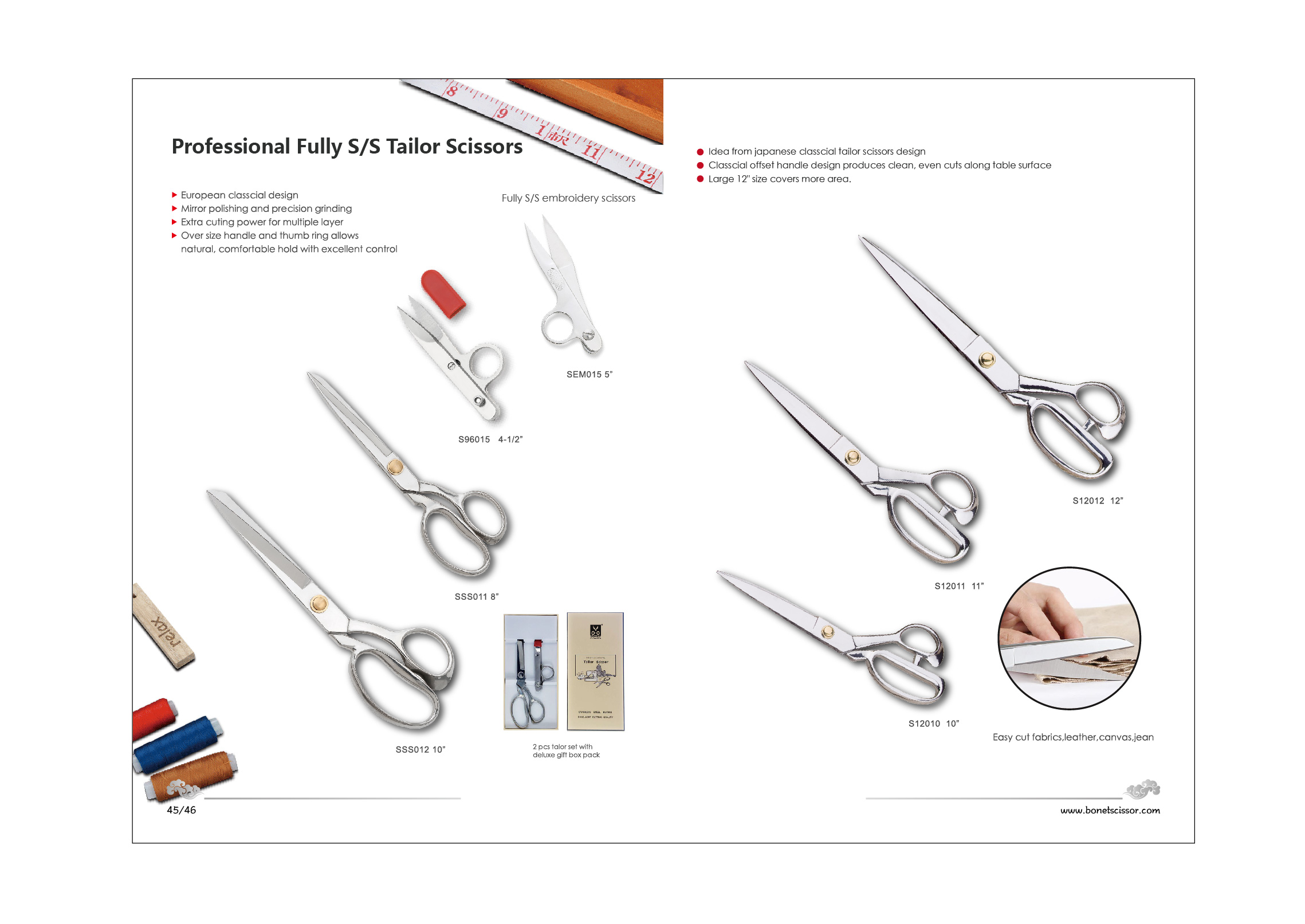
The original Bonet Houseware textile shear article highlighted fully stainless steel tailor scissors, mirror polishing, precision grinding, an oversized handle, a comfortable thumb ring, and a classical offset handle design. It also noted a practical size range from compact 4-1/2 inch and 5 inch embroidery scissors to 8 inch, 10 inch, 11 inch, and 12 inch shears for broader fabric work. This guide expands those points into a buyer-friendly framework for evaluating textile shears professionally.
Key Takeaways
- Match shear size to the fabric type, cutting table setup, and the level of detail required.
- Assess blade finish, grinding quality, handle comfort, and cutting control before comparing suppliers.
- For B2B sourcing, ask direct questions about customization, packaging, inspection process, lead time, and available documentation.
- Avoid selecting only by price; poor cutting performance can increase waste, fatigue, and rework.
What Makes a Reliable Textile Shear Supplier?
A reliable textile shear supplier should help buyers choose the right tool for the intended application rather than offering a single generic option. Professional fabric cutting involves repeated motion, long work sessions, and different material thicknesses. Tailors cutting lightweight fabric may need control and smooth blade contact, while workshops cutting denim, canvas, or leather often need longer shears with more leverage.
When reviewing a supplier, look for clear product information, consistent communication, and realistic answers. If a supplier mentions stainless steel construction, mirror polishing, or precision grinding, ask how those processes affect finish, edge consistency, and maintenance. If the supplier offers multiple sizes, ask which models are best suited for embroidery, tailoring, garment production, or heavier textile work.
Blade Quality, Finish, and Cutting Performance
The blade is the main reason professional buyers invest in textile shears. Bonet’s existing article describes fully stainless steel tailor scissors with mirror polishing and precision grinding. These are useful points to review because they relate to smooth movement, clean contact with fabric, and a refined surface finish. However, buyers should still request samples or detailed product photos before ordering in volume.
During sample evaluation, test the shears on the fabrics your business actually uses. A pair that performs well on cotton may feel different on layered denim, canvas, or leather. Check whether the cut begins cleanly at the heel of the blade, continues smoothly through the middle, and finishes accurately at the tip. Also inspect whether fabric shifts, snags, or frays during cutting.
Handle Design and Ergonomics for Long Work Sessions
Professional textile work can involve hours of repeated cutting. Handle design therefore matters as much as blade sharpness. The original product description mentions an oversized handle, a comfortable thumb ring, and a classical offset handle design. These features are relevant because they can support a more natural grip and help the blades glide along a cutting surface.
For procurement teams, ergonomics should be tested by the actual users whenever possible. Ask sample users whether the handle openings fit comfortably, whether the thumb ring causes pressure, and whether the wrist position feels natural during long straight cuts. A shear that feels acceptable for a short demonstration may not be ideal for daily workshop use.
Size Selection: From Embroidery to Heavy-Duty Cutting
Textile shears are not one-size-fits-all tools. The Bonet article notes small 4-1/2 inch and 5 inch embroidery scissors for detail work, 8 inch and 10 inch models for general projects, and 11 inch and 12 inch shears for heavier materials such as leather, canvas, or denim. This size range gives buyers a practical starting point when planning a product mix.
| Size or Type | Best Use | Buyer Checkpoint |
|---|---|---|
| 4-1/2 inch to 5 inch | Embroidery, trimming, thread cutting, small detail work | Check tip precision and comfort for fine hand movements. |
| 8 inch | General tailoring, craft cutting, light-to-medium fabric work | Confirm smooth cutting through common fabric layers. |
| 10 inch | Pattern cutting and longer fabric cuts | Evaluate balance, blade alignment, and table glide. |
| 11 inch to 12 inch | Heavier textiles such as denim, canvas, or leather | Test leverage, hand fatigue, and cutting control on real materials. |
B2B Sourcing Questions to Ask Before Ordering
When sourcing from a textile shear supplier, the best results come from structured questions. This is especially important for wholesalers, brand owners, and OEM buyers who need repeatable quality across batches. Do not assume details such as minimum order quantity, packaging, certification, or customization options unless the supplier confirms them directly.
- What sizes are available, and which are recommended for each fabric type?
- Can the supplier provide samples for cutting tests before bulk ordering?
- What inspection steps are used for blade alignment, finish, and cutting performance?
- Are OEM branding, handle color, packaging, or labeling options available?
- What are the lead time, payment terms, carton details, and after-sales process?
- What documents can the supplier provide if your market requires specific compliance information?
These questions help move the discussion from broad claims to verifiable sourcing details. They also make it easier to compare suppliers fairly.
How to Evaluate Samples in Your Workshop
Before committing to a wholesale or OEM order, create a simple sample test. Use the same fabric types, layer counts, and cutting motions your team uses every day. Ask several operators to test the shears, then record feedback on sharpness, balance, grip comfort, and cutting accuracy. This practical evaluation is more useful than judging by appearance alone.
Inspect the shears after testing. Look for looseness at the pivot, uneven blade contact, rough handle edges, or finish marks that may affect user comfort. If the product is intended for retail resale, also review presentation, labeling clarity, and packaging durability during shipping. For distributor buyers, consistent appearance across samples can be as important as performance.
Care and Handling for Longer Service Life
Even well-made textile shears need proper care. Keep fabric scissors separate from paper, wire, plastic strapping, or other workshop materials that may dull the edge. Wipe the blades after use, especially after cutting materials that leave residue. Store shears closed and protected to reduce accidental blade damage.
For teams with multiple operators, create a simple tool-use policy. Label scissors by station or fabric type, inspect them regularly, and schedule sharpening or replacement based on performance rather than waiting until cuts become inaccurate. This reduces fabric waste and supports more consistent production quality.
Practical FAQ
What size textile shears should a professional buyer choose first?
For general tailoring and workshop use, 8 inch and 10 inch shears are common starting points. Add smaller embroidery scissors for detail work and longer 11 inch or 12 inch shears if your team cuts heavier materials.
Are fully stainless steel tailor scissors suitable for professional use?
The original product description identifies the shears as fully stainless steel. Buyers should still test samples on their actual fabrics and ask the supplier about finish, grinding, maintenance, and intended applications.
How can I compare textile shear suppliers fairly?
Use the same checklist for every supplier: sample availability, size range, cutting performance, packaging options, inspection process, communication, lead time, and documentation they can provide.
Should I ask about OEM or wholesale details?
Yes. If you are buying for resale, private label, or production use, ask about branding, packaging, order quantities, sample policy, delivery schedule, and quality inspection before confirming an order.
Final Sourcing Advice
The best textile shear supplier is the one that can match the tool to your cutting task and answer practical buying questions clearly. Review blade finish, precision grinding, handle comfort, size range, and sample performance before making a bulk decision. With a structured evaluation process, professional buyers can source tailor scissors that support cleaner cuts, more comfortable handling, and better workshop consistency.
