




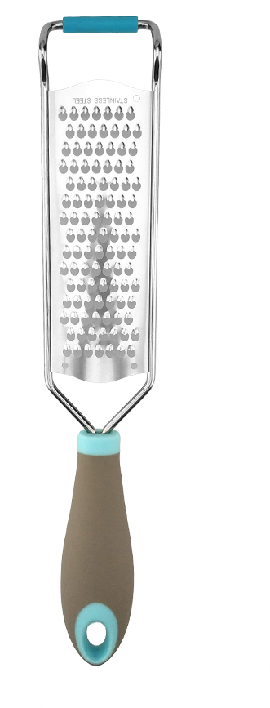
How to Choose a Stainless Steel Grater Supplier for Reliable Kitchenware Sourcing
Finding the right stainless steel grater supplier is not only about selecting a kitchen tool that looks good in a catalog. For importers, distributors, retailers, hospitality buyers, and private-label brands, the bigger question is whether the supplier can provide consistent product quality, clear communication, practical packaging support, and repeatable production standards. A grater set may seem simple, but the user experience depends on blade sharpness, handle comfort, safe assembly, corrosion resistance, and how well each blade performs across common kitchen tasks.
The original product description highlights a stainless steel grater set with six blades, including a micro-perforated blade for fine zesting and a crinkle-cut blade for wavy vegetable slices. It also mentions rust-resistant stainless steel and non-slip handles. Those are useful starting points, but B2B buyers should still verify the details before placing a wholesale or OEM order. This guide explains what to check, what to ask, and how to compare stainless steel kitchen graters for sale with a sourcing mindset.
Key Takeaways
- Confirm the exact stainless steel material, blade thickness, surface finish, and rust-resistance expectations before ordering.
- Ask whether the six-blade configuration can be customized for your market, packaging plan, or retail price point.
- Evaluate handle grip, blade fit, storage method, and cleaning convenience because these affect customer satisfaction.
- Request production samples and compare performance on cheese, citrus zest, carrots, potatoes, and other typical foods.
- Do not rely only on product photos; verify specifications, inspection processes, labeling options, and carton packing details.
What Buyers Should Look For in a Stainless Steel Grater Supplier
A reliable stainless steel grater supplier should make the sourcing process easier, not more uncertain. Start by reviewing whether the supplier can clearly describe the product structure, available blade types, handle materials, packaging options, and customization process. If a supplier cannot explain basic product details, it may be difficult to manage quality expectations at scale.
For B2B orders, ask for a specification sheet rather than relying only on promotional wording. The sheet should identify product dimensions, blade count, materials, handle design, available colors if any, unit weight, packaging format, and carton information. If the grater is promoted as rust-resistant, ask what material and finishing process support that claim. If it has non-slip handles, ask what the handle material is and how grip performance is assessed.
Communication also matters. A supplier should answer questions directly, identify what can and cannot be customized, and explain lead time, sample availability, quality inspection steps, and export documentation. Missing commercial details such as MOQ, pricing, certifications, and testing should be treated as questions to confirm with the supplier, not assumptions.
Understanding Six-Blade Grater Sets
A six-blade grater set can cover multiple preparation tasks, which makes it attractive for retail kitchenware lines and professional kitchen buyers. The original article mentions interchangeable blades, a micro-perforated blade for fine zesting, a crinkle-cut blade for vegetable slices, parmesan shavings, and wavy carrot ribbons. These use cases show why blade variety is important, but buyers should still test each blade rather than assuming all perform equally well.
When reviewing samples, check whether the blades lock securely into the frame and whether they can be removed without awkward force. A poorly fitted blade can cause frustration or safety concerns. The blade edges should feel sharp enough to work efficiently, but the product should also include sensible handling and storage instructions. If the set is intended for retail shelves, the packaging should explain what each blade does in simple language.
Comparison Checklist for Supplier Evaluation
| Evaluation Area | What to Check | Questions to Ask the Supplier |
|---|---|---|
| Material | Stainless steel blades and rust-resistance expectations | What stainless steel grade is used, and how is corrosion resistance verified? |
| Blade Set | Six blades, including fine zesting and crinkle-cut options | Can the blade mix be changed for OEM or private-label orders? |
| Handle Design | Comfort, grip, and control during wet or repetitive use | What material is used for the non-slip handle, and are other colors available? |
| Packaging | Retail box, instructions, barcode space, and blade safety protection | Can packaging artwork, labels, and instruction sheets be customized? |
| Quality Control | Blade fit, burrs, finish consistency, and carton packing | What inspection steps are performed before shipment? |
| Commercial Terms | MOQ, sample cost, lead time, payment terms, and shipping options | What are the current terms for wholesale and repeat orders? |
Quality Details That Affect Customer Experience
End users judge a grater quickly. If cheese clogs the blade, citrus zest tears unevenly, or the handle slips during use, the product may generate returns or poor reviews. That is why buyers should test practical kitchen tasks before confirming a purchase order. Try hard cheese, soft cheese, citrus peel, carrots, cucumbers, potatoes, and chocolate if those uses match your target market.
Inspect the blade surface for burrs, uneven holes, sharp unfinished edges, or weak attachment points. Look at the frame and handle connection to see whether it flexes too much under pressure. If the product has interchangeable blades, confirm that each blade is easy to identify and store. A six-blade set is useful only when the customer can understand and manage the accessories safely.
Cleaning is another important detail. Ask whether the supplier recommends hand washing or dishwasher cleaning. Do not assume dishwasher safety unless the supplier provides a clear statement. For instruction inserts, include practical care language: rinse soon after use, avoid touching cutting edges directly, dry thoroughly before storage, and keep blades away from children.
OEM and Wholesale Questions to Ask Before Ordering
For OEM and wholesale sourcing, the best time to clarify requirements is before sampling. A short written checklist can prevent misunderstandings later. Buyers should ask about logo placement, color options, packaging structure, instruction language, barcode requirements, carton marks, and whether the supplier can support market-specific labeling. If compliance documents or third-party testing are needed for your destination market, ask what documents are available and what tests would need to be arranged.
Also discuss tolerance for product appearance. Stainless steel surfaces can vary in finish, and plastic or rubber handle parts may have color variation between batches. Define acceptable limits in the purchase agreement if appearance is important for retail display. For larger orders, consider pre-shipment inspection that checks quantity, packaging, blade assembly, product cleanliness, and basic function.
How to Position Stainless Steel Kitchen Graters for Sale
Retailers and distributors should position a stainless steel grater set according to the real tasks it solves. Instead of vague claims, focus on specific uses such as zesting citrus, shredding cheese, slicing vegetables, making crinkle cuts, or preparing garnish. If the product includes six interchangeable blades, packaging and online listings should identify each blade clearly so customers understand the value.
For consumer-facing product pages, avoid overpromising. Do not claim professional performance, special material grades, or certified safety unless you have documentation. Strong product content can still be persuasive by explaining use cases, care steps, storage advice, and what is included in the set. Clear information reduces returns and helps buyers choose the right grater for their cooking habits.
Practical FAQ
What should I confirm before choosing a stainless steel grater supplier?
Confirm the material, blade count, handle material, packaging options, MOQ, sample process, lead time, inspection steps, and available documents. Ask for written specifications and samples before committing to a bulk order.
Is a six-blade grater set better than a single grater?
It depends on the target customer. A six-blade set offers more functions, such as fine zesting and crinkle cutting, but it also needs clear storage, instructions, and safe handling. A single grater may be simpler for basic use.
Can stainless steel graters rust?
Stainless steel is generally chosen for corrosion resistance, but performance depends on the exact grade, finish, cleaning method, and storage conditions. Buyers should ask the supplier what material is used and how rust resistance is evaluated.
What should be tested during sample review?
Test sharpness, comfort, blade locking, cleaning ease, surface finish, packaging protection, and performance on foods such as citrus, cheese, carrots, and potatoes. Also check whether instructions are clear for the end user.
What OEM details should private-label buyers discuss?
Discuss logo method, packaging artwork, instruction language, barcode placement, carton marks, color options, blade configuration, inspection standards, and any market-specific documentation required for sale.
Final Sourcing Advice
A stainless steel grater supplier should be evaluated on practical evidence, not broad marketing claims. The product described in the original article offers useful features, including six blades, rust-resistant stainless steel, interchangeable functions, a micro-perforated zesting blade, a crinkle-cut blade, and non-slip handles. For B2B buyers, the next step is to verify those features through samples, written specifications, and clear commercial communication. Careful sourcing at the beginning helps create a kitchenware product that is easier to sell, easier to use, and easier to reorder with confidence.
