




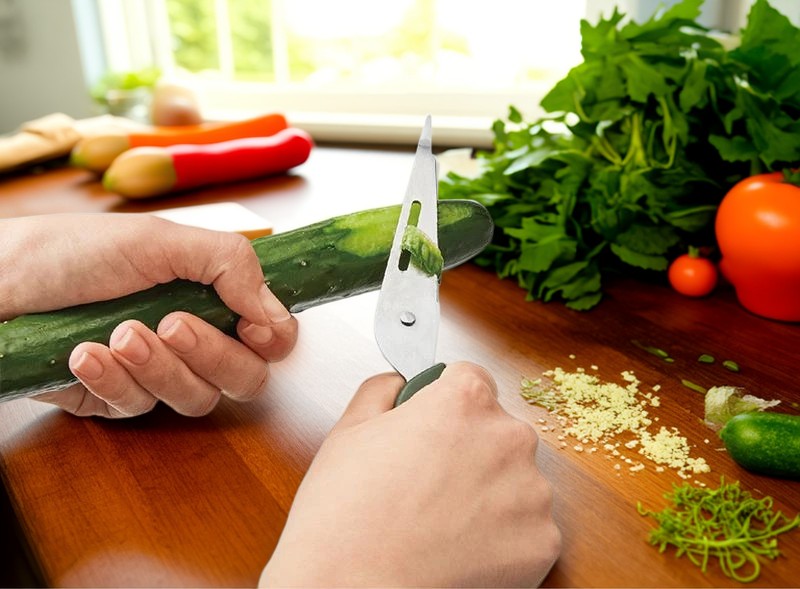
12-in-1 Outdoor Scissors: Practical Uses, Features, and Selection Tips
Outdoor activities often involve small cutting, gripping, opening, and trimming tasks that are inconvenient when every job requires a separate tool. A pair of 12-in-1 outdoor scissors is designed to combine ordinary cutting performance with several built-in utility functions, making it useful for camping, hiking, gardening, fishing preparation, picnics, and general outdoor projects.
The original product concept highlights stainless steel blades, a serrated edge, a compact form, ergonomic handling, and integrated functions such as a bottle opener and nutcracker. This guide explains how to evaluate that kind of multi-purpose scissor realistically: what it can help with, what to check before buying, and how to care for it so it remains dependable outside the kitchen drawer.
Key Takeaways
- 12-in-1 outdoor scissors are best for light to medium outdoor tasks, not as a replacement for every dedicated tool.
- Useful features to check include stainless steel blades, serrated cutting edges, comfortable handles, and clearly defined integrated tools.
- Common uses include cutting rope, trimming plant stems, opening packaging, scaling fish, opening bottles, and cracking small nuts.
- Buyers should confirm the full function list, blade thickness, handle design, cleaning method, and storage protection before purchase.
- Good maintenance matters: rinse, dry, and store the scissors safely after outdoor use, especially after contact with moisture or food.
What Are 12-in-1 Outdoor Scissors?
12-in-1 outdoor scissors are multi-purpose scissors that combine cutting blades with additional functions built into the same tool body. Unlike basic household scissors, they are intended for varied outdoor scenarios where space is limited and convenience matters. For example, when setting up camp, you might need to cut cord, open food packaging, trim a plant stem away from a campsite area, or open a bottled drink. A compact scissor tool can reduce the number of small items you need to carry.
The phrase “12-in-1” should always be understood as a product-specific claim. Different models may count functions differently. One supplier may count a serrated blade, bottle opener, nutcracker, fish scaler, and other small functions separately, while another may define the set in a different way. If you are comparing products, ask for a clear function diagram or written list rather than relying only on the headline number.
Where These Scissors Are Most Useful
A multi-purpose outdoor scissor is especially practical for short trips and everyday outdoor chores. Campers may use it to cut lightweight rope, open sealed food bags, or prepare simple camp meals. Garden users may find it helpful for trimming softer plant stems or cutting twine. Hikers and picnic users may appreciate a compact tool that handles packaging and bottle-opening tasks without adding much bulk.
The serrated edge mentioned in the original description is particularly useful when cutting tougher surfaces than paper, such as plastic packaging or rope-like materials. However, it is still important to match the tool to the task. Heavy branches, metal wire, thick rope, and hard commercial packaging may require dedicated cutters. Outdoor scissors should make small tasks easier, not encourage unsafe force.
Feature Checklist Before You Buy
Because multi-purpose tools vary widely, a careful feature check is more useful than choosing by appearance alone. Stainless steel blades are a positive starting point because stainless steel is commonly used for corrosion resistance and general durability. Still, not all stainless steel performs the same, so buyers should ask how the blades should be cleaned and whether the tool is intended for wet outdoor environments.
| Feature to Check | Why It Matters | Question to Ask |
|---|---|---|
| Stainless steel blades | Supports durability and resistance to wear in general outdoor use | What blade material is used, and what care is recommended? |
| Serrated edge | Helps grip and cut tougher materials such as rope or packaging | Which blade edge is serrated, and what materials is it intended to cut? |
| Ergonomic handle | Improves control when hands are tired or slightly damp | Is the handle non-slip or shaped for secure gripping? |
| Integrated bottle opener | Useful for camping, picnics, and travel meals | Where is the opener located, and is it easy to use safely? |
| Nutcracker function | Adds utility for small food preparation tasks | What size or type of nuts can it handle without damaging the tool? |
| Compact storage | Makes the scissors easier to carry in a kit or outdoor bag | Is a sheath, cover, or storage case included? |
How to Use Multi-Purpose Outdoor Scissors Safely
Outdoor scissors are simple, but safe use still matters. Use the cutting blades for materials within their intended range and avoid twisting the blades while cutting. Twisting can loosen the pivot or damage the cutting edge. When using secondary functions such as a bottle opener or nutcracker, keep fingers away from pinch points and avoid applying excessive force.
- Inspect the scissors before use to confirm the blades, pivot, and handles feel secure.
- Choose the correct part of the tool for the task; do not use the blade tip as a pry bar.
- Cut slowly when working with rope, plastic, or fish scales because these materials can slip.
- Keep the tool away from children unless closely supervised.
- Clean the scissors promptly after contact with food, dirt, sap, or saltwater.
Outdoor Scissors vs. Separate Tools
The main advantage of a 12-in-1 scissor tool is convenience. It can handle many small jobs while taking up less space than a full kit of separate tools. This is helpful when packing light for a hike, storing supplies in a picnic basket, or keeping a general-purpose tool in a garden shed.
The tradeoff is specialization. Dedicated pruning shears are better for thicker garden stems. A full-size knife may be better for food preparation. A separate rope cutter may perform better on thick cord. The practical approach is to use outdoor scissors as a compact helper for frequent light tasks, while keeping specialized tools available for demanding work.
Care and Maintenance After Outdoor Use
Moisture, dirt, plant sap, food residue, and fish scales can reduce performance if left on the blades. After each trip or outdoor session, wipe the scissors clean and dry them thoroughly. If the pivot becomes stiff, check the supplier’s care instructions before adding any lubricant, especially if the scissors are used around food.
Store the scissors closed and protected. A sheath or dedicated pocket helps prevent accidental cuts and protects the blade edge from being knocked against other gear. If the tool has multiple built-in features, inspect those areas for trapped debris. A compact tool is only useful when it opens, closes, and cuts smoothly when needed.
Who Should Consider This Tool?
12-in-1 outdoor scissors are a sensible choice for campers, hikers, picnic users, anglers, gardeners, and people who prefer compact gear for everyday outdoor tasks. They are also useful for emergency kits where small cutting and opening functions may be needed. The best buyer is someone who values versatility and understands the tool’s limits.
Before purchasing, compare the exact function list, blade design, handle comfort, storage method, and cleaning instructions. If buying in quantity for retail, promotional kits, or outdoor gear assortments, request product photos, function explanations, packaging details, and samples where possible. Avoid assuming that every “12-in-1” model has the same performance or features.
FAQ
Can 12-in-1 outdoor scissors replace a camping knife?
Not completely. They can handle many cutting and opening tasks, but a camping knife may still be better for heavier food preparation, carving, or tougher outdoor jobs.
Are stainless steel blades rust-proof?
Stainless steel is generally more resistant to corrosion than ordinary steel, but it still needs cleaning and drying after exposure to moisture, salt, sap, or food residue.
Can these scissors cut rope?
They are commonly used for cutting light rope or cord, especially when a serrated edge is present. For thick or load-bearing rope, use a dedicated cutter and confirm the tool’s intended cutting range.
What should I ask before buying a 12-in-1 model?
Ask for the complete function list, blade material, handle design, folded or stored size, care instructions, and whether any storage cover is included.
Are they suitable for gardening?
They can help with light trimming, twine cutting, and small plant-stem tasks. For thicker branches or woody stems, pruning shears are the better tool.
