




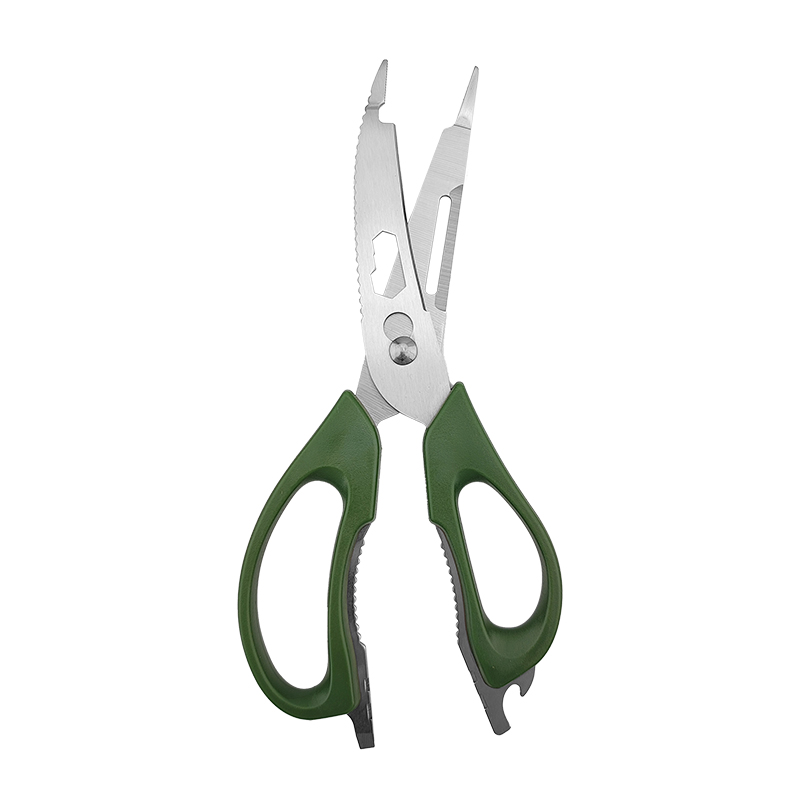
12-in-1 Outdoor Scissors: Practical Buying, Use and Care Guide
Multi-function outdoor scissors are designed for people who want one compact tool to handle several routine jobs. The original product concept combines cutting blades with integrated functions such as a bottle opener, nut cracker and gripping teeth. That makes the tool relevant for camping, picnics, kitchen prep, fishing trips, packaging tasks and small household fixes.
This guide explains what to look for, how to use the functions safely and how to care for the scissors so they remain practical over time. It avoids assumptions about unlisted specifications, so shoppers should still confirm details such as dimensions, blade thickness, packaging, warranty and spare parts with the supplier before ordering.
Key Takeaways
- 12-in-1 outdoor scissors are best for light to medium everyday tasks, not as a replacement for every specialized tool.
- Useful built-in functions include cutting blades, serrated gripping areas, a bottle opener, nut cracker and grip teeth.
- Stainless steel blades are mentioned in the source, but buyers should ask what stainless steel type is used and how it is finished.
- Cleaning and drying after use is especially important after contact with food, saltwater, sap or acidic ingredients.
Why Choose Multi-Function Outdoor Scissors?
The main reason to choose outdoor scissors with multiple tools is convenience. Instead of carrying separate scissors, bottle opener, small cracker and gripping tool, one item can cover several common situations. When cooking outdoors, you may need to cut food packaging, trim herbs, portion poultry, open a drink bottle or grip a hot foil edge. Around a campsite, the same scissors may help cut rope, open sealed bags, trim small branches or handle simple repair tasks.
The benefit is not only saving space. A multi-tool format also reduces the chance of forgetting a small accessory. For day trips, RV storage, fishing kits and shared outdoor kitchens, a single easy-to-locate tool is often more practical than several loose items. However, buyers should match expectations to the product category. These scissors are versatile, but they should not be used beyond their safe cutting capacity or as heavy-duty pruning shears, pliers or survival knives.
Main Features to Check Before Buying
The source describes stainless steel blades, ergonomic handles, a bottle opener, nut cracker, gripping teeth and a serrated blade area. These are useful features, but quality varies by design. Before buying, inspect the hinge, blade alignment and handle shape. The blades should open and close smoothly without excessive looseness. The handles should feel stable when wet or when pressure is applied, because outdoor use often involves moisture, grease or gloves.
If you are comparing suppliers or buying for resale, ask clear questions rather than relying on generic product names. Request the exact list of the 12 functions, blade material description, handle material, cleaning instructions, product weight, closed and open dimensions, packaging options and whether the scissors separate for cleaning. Do not assume dishwasher safety, food-contact compliance or corrosion test results unless the supplier provides documentation.
Comparison and Selection Checklist
| Feature to Review | Why It Matters | Question to Ask |
|---|---|---|
| Blade material | Stainless steel is stated, but grades and finishes differ. | What stainless steel type and surface finish are used? |
| Serrated section | Helps grip tougher items such as packaging or small bones. | Is the serration on one blade or both blades? |
| Handle design | Affects comfort and control in wet outdoor conditions. | What handle material and anti-slip design are provided? |
| Integrated opener | Useful for campsites, picnics and shared kitchens. | Is the opener positioned for left- and right-hand use? |
| Nut cracker or grip teeth | Adds utility for nuts, caps and gripping small objects. | What size range can it grip safely? |
| Cleaning access | Food debris can collect near pivots and tool gaps. | Can the scissors be separated, and how should they be washed? |
How to Use the Scissors Effectively
Start by using the main blades for ordinary cutting tasks such as food packaging, herbs, twine and thin rope. For kitchen prep, cut slowly and keep fingers away from the blade path. The original article mentions poultry and herbs; these are common examples, but different foods require different control. Use a cutting board when possible, and avoid twisting the blades through hard frozen items or thick bones unless the supplier confirms that use.
The serrated area can help hold slippery material while cutting. The opener can be used for capped bottles, while the nut cracker or gripping teeth can assist with cracking nuts or holding small round items. When using any integrated function, apply steady pressure rather than sudden force. If the tool slips, stop and reposition it. Multi-function scissors work best when each function is used within a sensible range.
Outdoor, Kitchen and Everyday Uses
These scissors are useful in several settings because they address repeated small tasks. In a camping kit, they can cut meal pouches, cord, fishing line or tape. At a picnic, they can open bottles, cut food wrap and trim herbs. In a home kitchen, they can help with poultry prep, garnish cutting, snack packaging and simple gripping jobs. For craft or utility use, they may cut light cardboard, plastic straps or string.
- Keep one pair in a camp cooking box rather than loose in a backpack.
- Use a sheath, pouch or protected compartment if supplied by the seller.
- Clean immediately after cutting raw food, fish or sticky packaging.
- Do not use the blade tip as a screwdriver, pry bar or chisel.
- Store away from children, especially because multiple functions may create pinch points.
Cleaning, Maintenance and Storage
Good care is simple but important. After food use, wash the scissors with warm water and mild detergent, paying attention to the pivot, serrations and grip teeth. If the scissors have contacted raw poultry or fish, clean them promptly and avoid cross-contamination with ready-to-eat foods. Rinse thoroughly and dry the blades, hinge and handle gaps before storage.
Outdoor use can expose the tool to salt, dirt, sap and moisture. Saltwater and acidic foods can accelerate staining if left on metal surfaces. Drying is therefore as important as washing. If the hinge becomes stiff, ask the supplier what lubricant is safe for the product and intended use. Do not assume a kitchen oil, mineral oil or tool lubricant is suitable for all applications.
When a Dedicated Tool Is Better
A 12-in-1 design is convenient, but specialized tasks sometimes require specialized equipment. Use a proper chef knife for precise slicing, pruning shears for thick live branches, pliers for mechanical repairs and a heavy cleaver for large bones. Trying to force outdoor scissors into these jobs can damage the blades, loosen the hinge or create a safety risk.
For buyers, the best approach is to define the actual use case first. A camper may prioritize compact storage and grip in wet conditions. A kitchen user may care more about easy cleaning and food prep comfort. A reseller may focus on consistent packaging, clear function labeling and after-sales support. Matching the product to the real task is more useful than simply counting the number of functions.
Practical FAQ
Are 12-in-1 outdoor scissors suitable for kitchen use?
They can be useful for kitchen tasks such as cutting herbs, packaging and poultry, as described in the source. Confirm cleaning instructions and any food-use documentation with the supplier.
Can they replace camping tools?
They can reduce the number of small tools you carry, especially for cutting, opening bottles and gripping. They should not replace heavy-duty knives, saws, pliers or pruning tools.
How should I clean them after cutting raw poultry or fish?
Wash with warm water and mild detergent, scrub around the pivot and serrated areas, rinse well and dry completely. Follow the supplier’s cleaning guidance if provided.
What should B2B buyers ask before ordering?
Ask for the exact 12 functions, material description, dimensions, weight, packaging, care instructions, sample availability, warranty terms and any compliance documents relevant to your market.
Are stainless steel blades rust-proof?
Stainless steel is corrosion resistant, not automatically rust-proof in all conditions. Salt, moisture and acidic residue should be cleaned off and the tool dried before storage.
