




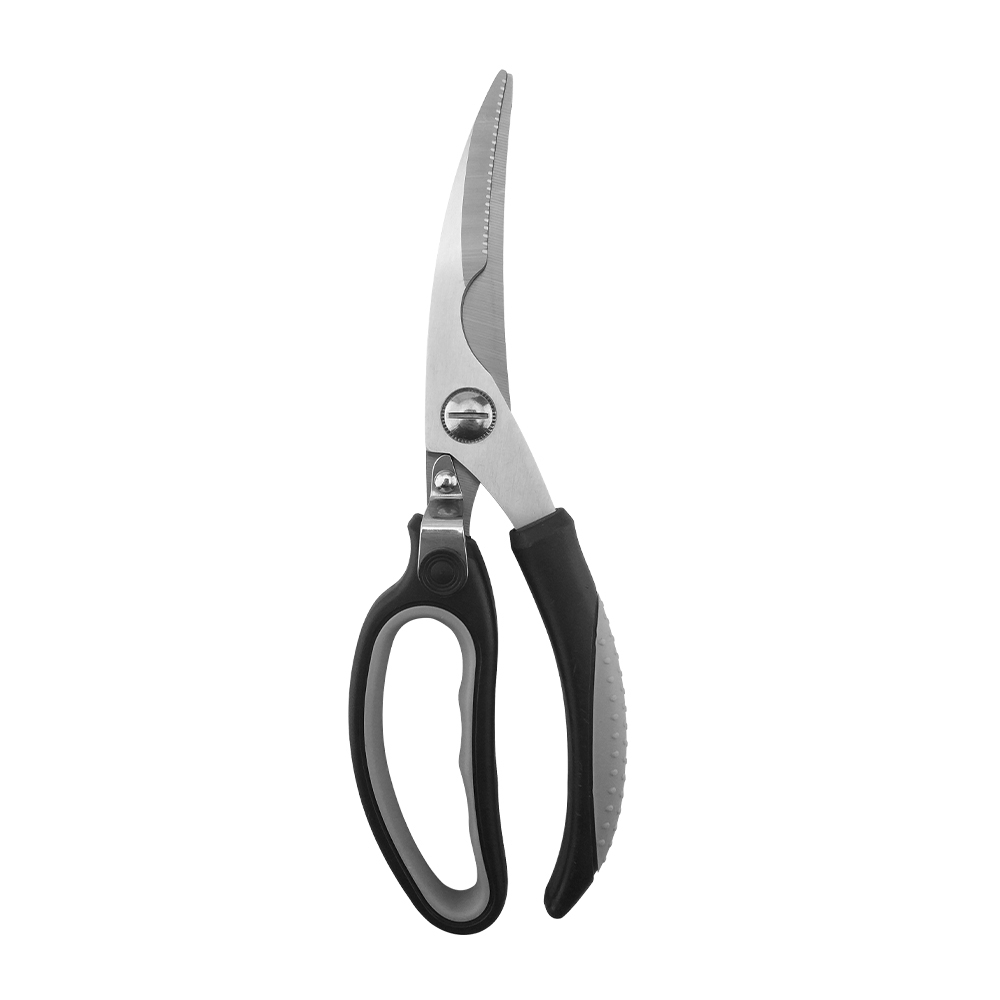
Discover Top OEM Poultry Shears for Culinary Excellence
OEM poultry shears are a practical kitchen tool for cutting poultry, meat portions, herbs, packaging, and other food-preparation materials. For retailers, distributors, private-label brands, and foodservice buyers, the goal is not simply to find a sharp pair of scissors. The real sourcing task is to identify shears that match the intended market, feel safe in hand, hold up under regular use, and can be supplied with consistent quality.
The original product information highlights several useful features: robust stainless steel blades, ergonomic handles, non-slip grips, and a secure safety lock mechanism. These are important starting points, but wholesale and OEM buyers should still verify details directly with the supplier before placing an order. Material grade, packaging, logo methods, production lead time, testing, and compliance requirements should all be confirmed in writing.
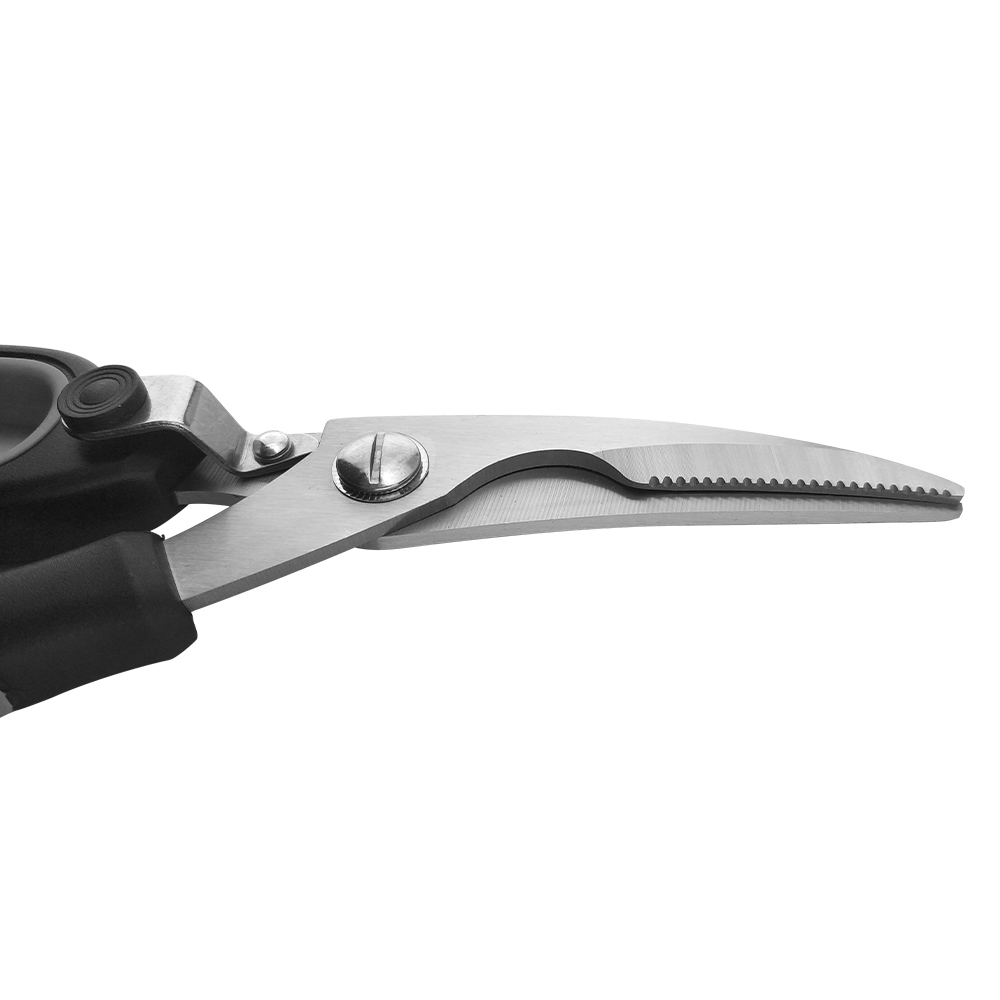
Key Takeaways
- OEM poultry shears should be assessed for cutting performance, grip comfort, safety lock reliability, and cleaning convenience.
- Stainless steel blades are stated in the source, but buyers should ask the supplier to confirm the exact steel grade and finish.
- Ergonomic, non-slip handles can improve control during poultry preparation, especially in busy kitchens.
- Factory capability, quality inspection, packaging, branding, and after-sales handling should be clarified before wholesale purchase.
- Samples are essential because appearance alone does not prove blade alignment, hinge strength, or long-term comfort.
Why Poultry Shears Matter in Kitchen Tool Lines
Poultry shears fill a clear gap between general kitchen scissors and knives. A knife works well on a board, but shears allow controlled cutting around joints, skin, cartilage, herbs, and packaging. For homeware brands, supermarkets, restaurant supply channels, and promotional product buyers, poultry shears can be positioned as a specialized but highly useful kitchen accessory.
Search intent for OEM poultry shears is usually commercial. Buyers are often comparing factories, private-label options, and wholesale product quality. That means the sourcing decision should focus on repeatable manufacturing, not just product photos. A sample pair may look polished, but a buyer needs confidence that the same blade sharpness, handle fit, lock function, and packaging quality will appear across the full order.
Core Product Features to Evaluate
The original article mentions robust stainless steel blades, sharp and durable cutting performance, ergonomic handles, non-slip grips, and a secure safety lock. These are useful features to inspect during sampling. Buyers should avoid assuming additional specifications unless the supplier provides documentation or written confirmation.
- Blade performance: Test the shears on poultry skin, small bones or joints where appropriate, herbs, and packaging to understand realistic cutting behavior.
- Blade alignment: Open and close the shears slowly. The blades should meet cleanly without excessive wobble or scraping.
- Handle comfort: Check whether the handle shape suits different hand sizes and whether the non-slip grip remains stable when damp.
- Safety lock: Confirm that the lock holds firmly during storage but can still be operated conveniently.
- Cleaning access: Ask whether the structure is designed for easy cleaning, and verify any disassembly claims if the supplier makes them.
OEM Sourcing Checklist for Wholesale Buyers
Before ordering from a poultry shears factory or kitchen scissors manufacturer, build a checklist that separates confirmed facts from assumptions. The table below can help purchasing teams compare suppliers in a consistent way.
| Evaluation Area | What to Check | Questions to Ask the Supplier |
|---|---|---|
| Blade material | Stainless steel is stated, but exact details need confirmation. | What stainless steel grade and surface finish are used? |
| Cutting performance | Sharpness, blade alignment, hinge stability, and consistency across samples. | How is cutting performance inspected before shipment? |
| Handle design | Ergonomic shape, non-slip grip, hand comfort, and grip security when wet. | Can handle color, material, or branding be customized? |
| Safety lock | Lock position, ease of use, holding strength, and durability. | Is the lock tested during production inspection? |
| OEM packaging | Retail box, card, instruction insert, barcode space, and private-label artwork. | What packaging formats are available for OEM orders? |
| Quality control | Incoming material checks, in-process inspection, final inspection, and defect handling. | Can you share your standard inspection process and acceptable quality criteria? |
How to Assess a Kitchen Scissors Manufacturer
A capable kitchen scissors manufacturer should be able to explain how it controls sharpness, handle assembly, lock function, and packaging quality. Buyers do not need vague claims; they need clear answers. Ask for production photos, sample policies, customization options, inspection standards, and lead-time estimates. If your market has specific labeling, food-contact, or safety requirements, ask the supplier what documentation they can provide and whether third-party testing is available if required.
It is also worth asking how the factory handles changes between sample approval and mass production. For example, if the buyer approves a specific handle color, logo position, or package layout, the purchase order should reference that approved sample. This reduces the risk of mismatch when goods arrive.
Sample Testing Before an OEM Order
Sampling is one of the most important steps in sourcing OEM poultry shears. A useful test should reflect real use, not just a quick open-and-close check. Test several pairs if possible, because one sample cannot prove production consistency.
- Cut poultry skin, meat portions, herbs, paper packaging, and plastic food packaging to compare performance.
- Check whether the hand feels strained after repeated cutting motions.
- Inspect the hinge area after use for looseness or uneven movement.
- Wash and dry the shears according to the supplier’s care guidance, then check for water retention or visible change.
- Open and close the safety lock repeatedly to evaluate convenience and stability.
If the product will be sold under a private label, also review the customer experience: how the shears look in packaging, whether instructions are clear, and whether the safety lock is obvious to first-time users.
Customization and Branding Questions
OEM buyers often need more than a standard product. They may require logo application, custom handle colors, retail packaging, instruction sheets, or carton labeling. These options should be discussed early because customization can affect cost, lead time, minimum order quantity, and production workflow. Do not assume any MOQ, price, or lead time without confirmation from the supplier.
Useful questions include: What logo methods are available? Can the supplier provide packaging dielines? Are color samples available before production? How are approved samples recorded? What is the process if finished goods do not match the approved sample? Clear answers help buyers reduce risk before committing to a wholesale order.
Use and Care Guidance for End Customers
Even when the purchase is B2B, the final user experience matters. Retailers and brands should provide simple care instructions that match the supplier’s official guidance. In general, poultry shears should be cleaned promptly after contact with raw poultry or meat, dried thoroughly, and stored with the safety lock engaged. Buyers should not add dishwasher-safe or rust-proof claims unless the supplier confirms them and provides appropriate support.
Good care guidance can reduce complaints and returns. It can also help customers understand why poultry shears are different from ordinary scissors: they are intended for controlled kitchen cutting tasks and should be used, cleaned, and stored responsibly.
FAQ
What should buyers confirm before ordering OEM poultry shears?
Confirm blade material details, handle options, safety lock design, packaging choices, sample approval process, quality inspection standards, lead time, MOQ, and any documentation required for your target market.
Are stainless steel blades enough to guarantee quality?
No. Stainless steel is a useful feature, but buyers should also check the exact grade, blade thickness if provided, heat treatment if applicable, edge sharpness, hinge stability, and inspection process.
Can poultry shears be used for tasks beyond poultry?
Yes, the source notes use for meats, herbs, and packaging. Buyers should still test the shears against the intended use cases for their customers.
How can a buyer reduce risk with a new poultry shears factory?
Start with samples, document approved specifications, request packaging proofs, clarify inspection criteria, and consider pre-shipment inspection for larger orders.
Should product claims be added to retail packaging?
Only add claims that the supplier can support. Avoid unverified statements about certifications, dishwasher safety, steel grade, or performance testing unless documentation is available.
