




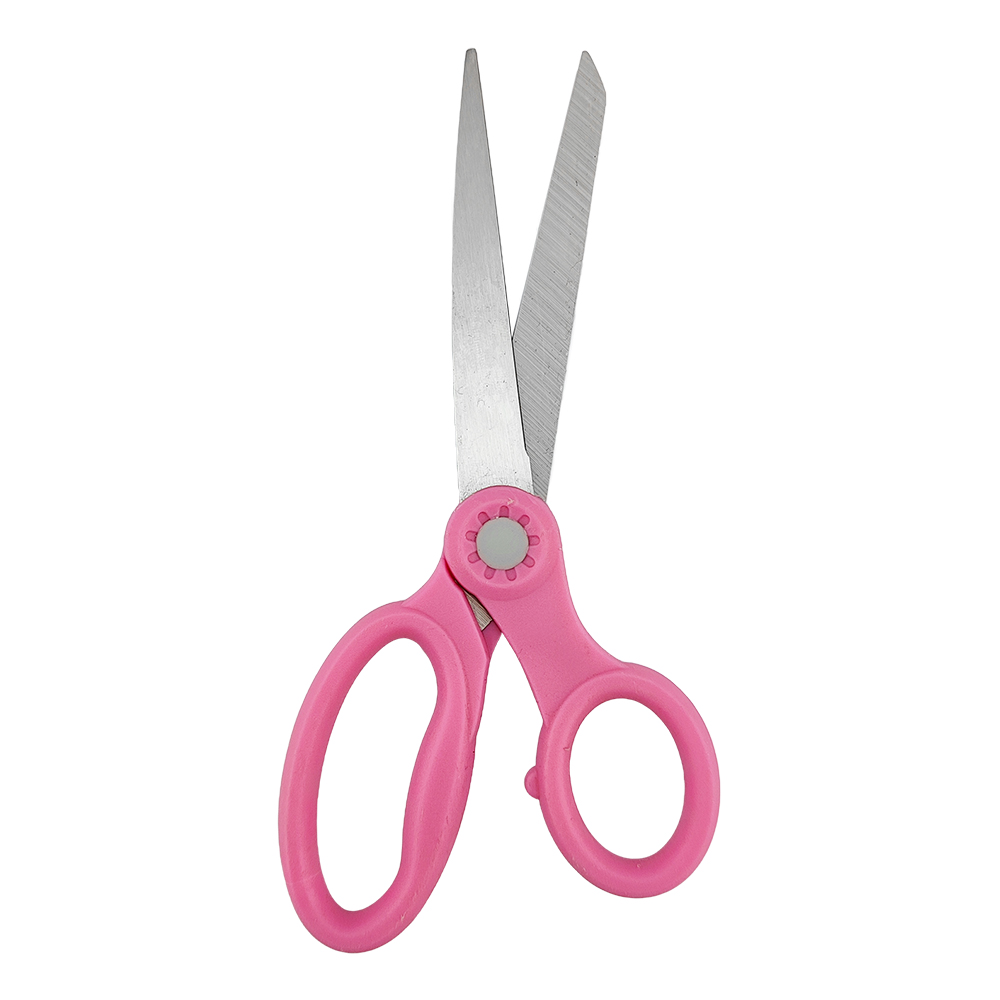
Discover Vibrant 7" High-Quality Household Scissors
Household scissors are one of those tools people reach for every week, often without thinking about them until the blades drag, the handles pinch, or the scissors disappear in a cluttered drawer. A vibrant 7-inch pair, such as the pink household scissors shown here, can be a practical choice for paper, packaging, light craft work, labels, and general home or office use. The color also makes the tool easier to locate in a desk drawer, craft box, classroom supply area, or packing station.

This guide rewrites the original product introduction with a focus on search usefulness: what a 7-inch household scissor is best for, how to evaluate comfort and cutting performance, what care habits extend service life, and what sourcing teams should ask when comparing manufacturers of scissors. It avoids unsupported claims and instead gives buyers a clear checklist for product selection.
Key Takeaways
- A 7-inch household scissor is a versatile size for general tasks such as cutting paper, tags, envelopes, light packaging, and craft materials.
- Bright pink handles can improve visibility, which is useful in busy household, school, office, or studio environments.
- Comfort matters: handle shape, grip feel, pivot smoothness, and hand fit all affect daily usability.
- For wholesale or OEM sourcing, ask suppliers for blade material, handle material, quality-control process, packaging options, and sample availability rather than assuming specifications.
What Makes 7-Inch Household Scissors Practical?
The 7-inch size sits between compact school scissors and larger tailor-style shears. That makes it a sensible all-purpose format for users who need control without carrying a bulky cutting tool. For most everyday jobs, this size is large enough to make steady straight cuts yet small enough to store in a drawer, pencil case, tool caddy, or kitchen utility area.
Typical household uses include opening mail, trimming coupons, cutting gift wrap, preparing school projects, snipping thread, shaping lightweight craft paper, and reducing cardboard or plastic packaging before disposal. Users should still choose the right tool for heavy materials: thick cardboard, wire, hard plastic, food preparation, or fabric cutting may require dedicated scissors designed for those applications.
Design Details to Check Before Buying
The original article highlights a vivid pink appearance, which is more than a style choice. A bright handle color helps reduce time spent searching for the tool and can support color-coding in shared workspaces. For example, a home office might use one color for paper only, while a classroom or studio can separate general-use scissors from fabric or specialty cutters.
When evaluating household scissors, look closely at the handle openings. They should allow a natural grip without forcing the fingers into an awkward angle. If the handles are described as soft-grip or ergonomic, confirm what that means in the supplier’s product information: material, texture, firmness, and whether the design suits right-handed, left-handed, or ambidextrous use. A comfortable handle can reduce hand strain during repeated cutting, but comfort is personal, so samples are valuable for larger purchases.
Cutting Performance: What to Evaluate
Sharpness is only one part of performance. Good household scissors should open and close smoothly, meet evenly along the blade length, and cut near the tip without tearing light materials. The pivot should feel stable rather than loose, because wobble can cause uneven cuts. At the same time, an overly tight pivot can make repeated use tiring.
For consumer use, test the scissors on the materials you cut most often: printer paper, envelopes, wrapping paper, thin card, ribbon, labels, or light craft sheets. For business buyers comparing samples from manufacturers of scissors, create a repeatable test set. Use the same materials, same number of cuts, and the same evaluators where possible. This helps distinguish between a scissor that looks appealing in a catalog and one that performs consistently in real use.
Household Scissors Comparison Checklist
| Selection Point | What to Check | Why It Matters |
|---|---|---|
| Size | Confirm the 7-inch overall length and intended use range. | Helps match the tool to everyday household, school, or office tasks. |
| Handle comfort | Check grip shape, finger space, texture, and hand fit. | Improves control and reduces discomfort during repeated cutting. |
| Blade information | Ask the supplier to specify blade material and finish. | Avoids assuming material grade or rust resistance without documentation. |
| Pivot action | Open and close the scissors repeatedly to test smoothness. | A stable pivot supports cleaner cuts and easier handling. |
| Color and packaging | Review available colors, labeling, and retail or bulk packaging options. | Important for shelf display, private label programs, or inventory control. |
| Supplier support | Ask about samples, inspection standards, lead time, and customization limits. | Reduces risk for wholesale, OEM, or recurring procurement orders. |
Use and Care Tips for Longer Service
Even high-quality household scissors can become frustrating if they are used for unsuitable materials or stored poorly. A few simple habits can preserve cutting feel and reduce corrosion risk, especially in humid kitchens, laundry rooms, or craft areas.
- Keep household scissors dry after use and avoid storing them in damp areas.
- Wipe adhesive residue from the blades after cutting tape or labels.
- Use a separate tool for food, garden stems, wire, or thick plastic.
- Store scissors closed in a drawer, case, or organizer to protect the tips.
- Do not pry, scrape, or use the blades as a screwdriver; this can misalign the pivot.
If the scissors begin to tear paper instead of cutting it, check for residue on the blades first. Cleaning often restores smoother cutting. If the pivot is loose, buyers should refer to the product design or supplier instructions before attempting adjustment.
B2B Sourcing Guidance for Scissor Buyers
Retailers, distributors, promotional product buyers, and private-label brands need more information than color and size. When discussing 7-inch household scissors with a factory or trading partner, request clear answers rather than relying on general phrases such as “premium” or “durable.” Useful sourcing questions include:
- What blade material, handle material, and surface finish are used?
- Are samples available for cutting tests before placing an order?
- What packaging formats are offered for retail, e-commerce, or bulk supply?
- Can the handle color, logo, barcode, or instruction label be customized?
- What inspection steps are used for blade alignment, pivot action, appearance, and packaging?
- What are the current lead time, order quantity requirements, and shipping carton details?
These questions help buyers compare suppliers on measurable criteria. They also prevent misunderstandings about specifications that are not visible from a product photo.
FAQ
Are 7-inch household scissors good for fabric?
They may cut light fabric occasionally, but regular fabric work is better handled with dedicated fabric scissors. Using household scissors on paper and packaging can dull them for textile projects.
Why choose pink household scissors?
A bright pink handle is easy to spot in a drawer or shared workspace. It can also be useful for color-coding tools by room, user, or material type.
What should wholesale buyers confirm before ordering?
Confirm blade and handle materials, sample availability, packaging, customization options, quality-control checks, lead time, and order quantity requirements directly with the supplier.
How should household scissors be cleaned?
Wipe the blades with a dry or slightly damp cloth after normal use, remove sticky residue promptly, and dry the scissors before storage. Avoid soaking unless the supplier’s care instructions allow it.
Can one pair handle every cutting task at home?
No. A general pair is useful for many daily jobs, but heavy packaging, garden materials, food, and precision fabric work should have separate purpose-built tools.
