




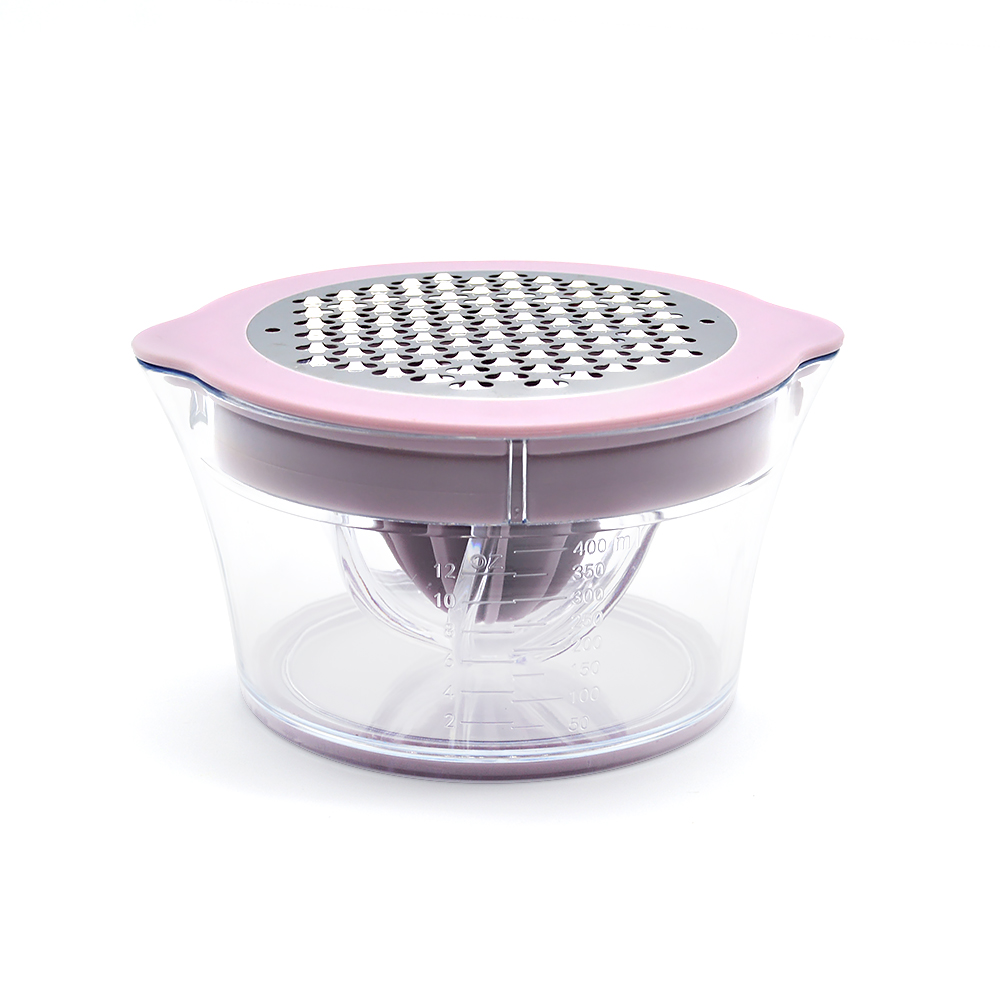
How to Choose and Use a Multi-Function Manual Juicer
A multi-function manual juicer is a simple kitchen tool, but choosing the right one can make daily use much easier. For people who mainly juice citrus fruits such as oranges, lemons, and grapefruit, a manual reamer-style juicer can be more convenient than an electric machine: it is quiet, does not need electricity, and usually has fewer parts to wash. Some designs also combine juicing, measuring, pouring, serving, and short-term storage in one compact unit.
This guide explains what to look for, how to use a manual juicer effectively, and how to care for it so it stays clean and practical for everyday drinks, recipes, and meal preparation.
Key Takeaways
- Manual citrus juicers are best suited to oranges, lemons, grapefruit, and similar fruits.
- A reamer, strainer, and transparent container with measurement markings can improve accuracy and reduce mess.
- Some models include a storage base or leak-resistant pouring spout, but buyers should confirm the exact design before purchasing.
- Cleaning is usually simple because there are no complex electronic parts.
What a Multi-Function Manual Juicer Can Do
The basic job of a manual citrus juicer is to extract juice by pressing a halved fruit against a raised reamer and rotating it. The reamer breaks the pulp, while juice flows into a container below. A strainer or perforated top may help catch seeds and larger pulp pieces, depending on the design.
The “multi-function” value comes from features around the core juicing action. A transparent container with measurement markings helps you pour the right amount for a recipe, cocktail, dressing, marinade, or daily beverage. A base that doubles as a storage container can reduce the number of dishes used. A spout can make serving easier, especially when pouring lemon juice into tea or orange juice into a glass.
These functions do not turn a manual citrus juicer into a full juicer blender combination. It will not blend smoothies or process hard vegetables. However, for citrus preparation, the right manual model can be faster to set up, easier to clean, and more practical for small portions.
How to Choose the Right Manual Citrus Juicer
Before buying, consider how you will use the juicer most often. A person who squeezes one lemon for cooking has different needs from someone who prepares several glasses of orange juice at breakfast. The best choice is not always the most complicated design; it is the one that fits your fruit size, storage space, and cleaning habits.
| Feature to Check | Why It Matters | Questions to Ask |
|---|---|---|
| Reamer size and shape | Affects how well it fits lemons, oranges, or grapefruit. | Is the reamer suitable for the fruits you use most? |
| Measurement markings | Helps when following recipes or tracking juice volume. | Are the markings clear and easy to read? |
| Container design | Determines capacity, grip, and stability on the counter. | Is the container large enough for your usual serving size? |
| Spout or pouring edge | Reduces spills when transferring juice. | Does the spout pour cleanly and is it described as leak-resistant? |
| Removable parts | Makes rinsing and washing easier. | Can the reamer, filter, and container be separated? |
| Material information | Important for food contact and durability expectations. | What material is used, and what care instructions does the supplier provide? |
Step-by-Step: How to Get Better Juice Extraction
Good results begin with fresh fruit. Citrus that feels heavy for its size often contains more juice. If the fruit has been stored in the refrigerator, let it sit briefly at room temperature or roll it gently on the counter before cutting. This can help loosen the internal membranes.
- Wash the fruit skin before cutting, especially if the fruit will touch your hands, the reamer, or the container rim.
- Cut the orange, lemon, or grapefruit in half across the middle, not from stem to end.
- Place one half cut-side down on the reamer.
- Apply steady, moderate pressure while rotating the fruit. Avoid forcing it too hard, as this may make the process uncomfortable.
- Check the strainer or top section for seeds and excess pulp before pouring.
- Use the measurement markings if you need a specific amount for a recipe.
The goal is consistent pressure rather than speed. An ergonomic design can help reduce hand strain, but comfort varies by user, so handle shape and grip are worth checking before purchase when possible.
Everyday Uses Beyond a Glass of Juice
A manual juicer is useful even if you do not drink juice every day. Fresh lemon juice can brighten salad dressings, seafood, roasted vegetables, and sauces. Grapefruit juice can be used in breakfast drinks or marinades. Orange juice can add sweetness and acidity to glazes, desserts, or sparkling water.
Because some manual juicers include a container for measuring and serving, they can support small cooking tasks without extra measuring cups. For example, you can squeeze lemon juice directly into the container, check the measurement, and pour it into a dressing bowl. If the base is designed for storage, you may be able to keep a small amount of juice for short-term use, though you should follow the supplier’s instructions and refrigerate fresh juice promptly.
Cleaning and Care After Use
One advantage of a manual juicer is that it has no motor or electronic controls. Cleaning is usually quick: separate the reamer, filter or strainer, and container, then rinse them under running water soon after use. Citrus pulp dries and sticks if left for too long, so immediate rinsing saves effort.
Use mild soap and a soft sponge for regular washing. If the product is made from food-contact plastic, avoid abrasive pads that could scratch the surface. Scratches can trap residue and make the container look cloudy. For dishwasher use, do not assume it is safe unless the supplier or product instructions say so. Heat settings can affect some plastics, seals, or markings.
Dry all parts before storage to reduce odors and moisture buildup. If the juicer includes a lid, spout, or storage base, check corners and grooves carefully because juice can collect in small spaces.
Common Buying Mistakes to Avoid
- Choosing only by appearance: A compact shape is helpful, but reamer fit, stability, and cleaning access matter more.
- Ignoring capacity: A very small container may be fine for lemons but inconvenient for several oranges.
- Assuming all spouts are leak-proof: Confirm the design description and read care guidance before storing juice inside.
- Expecting blender performance: A manual citrus juicer is for pressing citrus, not blending whole fruits or crushing ice.
- Delaying cleaning: Dried pulp and acidic residue are harder to remove and may affect freshness.
Practical FAQ
Can I use a manual juicer for fruit other than citrus?
It is mainly intended for citrus fruits such as oranges, lemons, and grapefruit. Soft fruit without a citrus structure may not work well on a reamer, and hard produce is not suitable.
Do measurement markings really matter?
Yes, if you cook, bake, make drinks, or monitor intake. Clear markings reduce guesswork and can replace an extra measuring cup for small quantities.
Is a manual juicer better than an electric juicer?
It depends on the task. For occasional citrus use, a manual juicer is quiet, simple, and easy to clean. For large batches or non-citrus produce, an electric appliance may be more appropriate.
How should fresh juice be stored?
Fresh citrus juice is best used soon after squeezing. If the juicer includes a storage container, refrigerate the juice promptly and follow the product’s care instructions for lid and spout use.
What should I ask before buying online?
Ask about dimensions, container capacity, material, cleaning instructions, whether the parts separate, and whether any claimed leak-resistant or storage function applies to the exact model being sold.
Final Thoughts
A multi-function manual citrus juicer is a practical choice for people who want fresh juice without a large appliance. Look for a comfortable reamer, clear measurement markings, a stable container, easy-to-clean parts, and a pouring or storage design that matches your routine. With proper use and prompt cleaning, it can make citrus preparation simpler for drinks, cooking, and everyday meal prep.
