




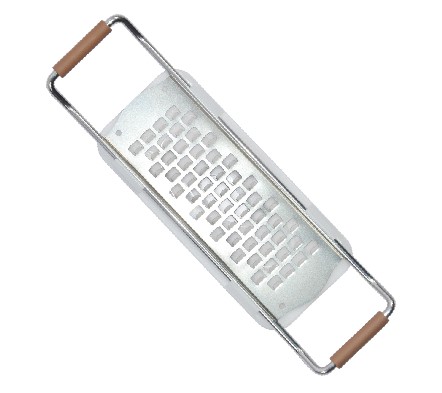
Find a Reliable Kitchen Utensil Supplier for Stainless Steel Graters
Choosing a kitchen utensil supplier is not only about finding a product that looks acceptable in a catalog. For retailers, distributors, hospitality buyers, and private-label brands, the better question is whether the supplier can consistently provide tools that match your target market, packaging needs, inspection expectations, and after-sales requirements. A stainless steel grater is a useful example because it is simple in appearance but depends on details such as blade type, handle comfort, cleaning convenience, and safe handling.
The original article introduced a stainless steel grater with multiple blades, including options for fine zesting, shredding softer ingredients, producing vegetable strips, shaving chocolate, grating root vegetables, and making medium vegetable shreds for foods such as coleslaw. This guide expands that idea into a practical sourcing checklist for buyers evaluating a kitchen gadget supplier or wholesale kitchen tools partner.
Key Takeaways
- A good kitchen utensil supplier should be evaluated by product consistency, communication, packaging support, and inspection process, not only by unit appearance.
- For stainless steel graters, compare blade functions, handle design, cleaning method, and intended food applications before placing an order.
- Do not assume material grade, certification, MOQ, pricing, or test reports. Ask the supplier to confirm details in writing.
- Samples should be checked with real ingredients such as citrus, cheese, chocolate, zucchini, carrots, and cabbage.
What Buyers Should Look for in a Kitchen Utensil Supplier
A reliable supplier should make product selection easier, not more confusing. Start by confirming whether the supplier can explain the intended use of each item, provide clear product photos, and answer technical questions without vague promises. For a grater set, ask how many blade styles are included, what each blade is designed to do, and whether the design is intended for home kitchens, food service, promotional sets, or retail display.
Commercial buyers should also ask about packaging options, carton information, labeling requirements, and whether OEM or private-label service is available. If your market requires specific documentation or compliance testing, request the relevant reports before confirming a purchase. Avoid relying on assumptions such as “stainless steel means food safe” or “dishwasher safe means suitable for all wash cycles.” These details should be confirmed by the supplier for the exact product version you plan to buy.
Understanding the Stainless Steel Grater Set
A stainless steel grater is valued because it can handle everyday preparation tasks with a compact footprint. The product described in the source uses multiple blades for different textures. One fine blade is suitable for fruit zest and hard cheese. Another is intended for softer foods such as zucchini. Other blades can create vegetable strips, fluffy chocolate shavings, coarse root vegetable shreds, and medium vegetable shreds that work well for coleslaw-style preparation.
These distinctions matter for buyers because customers often judge a grater by performance on specific foods. A blade that works well for lemon zest may not be ideal for carrots. A coarse blade may save time with root vegetables but produce poor results on soft cheese. When building a product line, consider whether your customers need one compact grater, a full multi-blade set, or a range of utensils for different use cases.
Comparison Checklist for Grater Sourcing
Use a structured comparison table when reviewing samples from more than one kitchen gadget supplier. This prevents decisions from being based only on appearance or a low quotation.
| Check Point | What to Review | Questions to Ask the Supplier |
|---|---|---|
| Blade functions | Fine zest, soft-food shred, vegetable strips, chocolate shavings, coarse shred, medium shred | Are all blade functions included in the quoted version? |
| Material details | Stainless steel construction is stated, but grade may vary | What stainless steel grade is used, and can it be documented? |
| Handle and grip | The source mentions a non-slip handle and ergonomic design | Is the handle material, shape, and color customizable? |
| Cleaning | The source mentions dishwasher-safe maintenance | What cleaning instructions should be printed for end users? |
| Packaging | Retail box, color label, instruction insert, or bulk pack | Can packaging be adapted for wholesale, retail, or OEM orders? |
| Quality control | Sharpness, burrs, handle fit, blade alignment, surface finish | What inspection steps are used before shipment? |
How to Evaluate Samples Before Wholesale Orders
Before making a wholesale decision, test physical samples in a realistic setting. Do not only inspect the grater under office lighting. Use common foods that match the blade claims. Try citrus peel for fine zest, a hard cheese for small shavings, zucchini for softer shredding, chocolate for decorative curls, carrots or potatoes for coarse grating, and cabbage for medium shreds.
- Check whether the blades cut cleanly without requiring excessive pressure.
- Inspect the edges and frame for burrs or sharp areas outside the intended cutting surface.
- Test the handle grip with dry and slightly wet hands.
- Wash the sample according to the supplier’s instructions and review any discoloration or trapped food.
- Compare the finished texture with what your customers expect from the product listing or packaging.
If the product will be sold under your own brand, also review user instructions. A grater should include basic safety guidance, cleaning advice, and storage recommendations if relevant. Clear instructions reduce misunderstandings and improve the customer experience.
OEM and Private-Label Questions to Ask
When sourcing from a kitchen utensil supplier for OEM or private-label projects, the commercial discussion should be specific. Ask whether the supplier can support custom packaging, logo placement, instruction sheets, barcode labeling, carton marks, and market-specific language requirements. If color customization is needed for handles or packaging, confirm available options and whether minimum order quantities apply.
Buyers should also ask how changes affect lead time, cost, and inspection. A sample with standard packaging may not represent a final private-label version. If you require retail-ready packaging, request a pre-production sample that includes the actual box, insert, label, and any warning text. For online sales, ask for accurate dimensions, weight, and product images rather than estimating from a generic listing.
Practical Use and Care Guidance for End Customers
Even in B2B sourcing, it helps to understand the end user. A stainless steel grater performs best when customers choose the correct blade and use moderate pressure. Fine blades are best for zest and hard cheese, while wider openings are better for root vegetables or thicker shreds. Chocolate should usually be cool and firm for cleaner shavings. Soft vegetables may grate more evenly when handled gently rather than forced against the blade.
For care, customers should rinse the grater soon after use so food does not dry in the holes. If the supplier confirms dishwasher suitability for the exact item, buyers can include that in product instructions; otherwise, hand washing and thorough drying are safer wording. Storage should prevent accidental contact with sharp blades, especially when the grater is part of a multi-blade set.
FAQ
What makes a kitchen utensil supplier reliable?
A reliable supplier gives clear product information, provides representative samples, answers technical questions, supports inspection, and confirms commercial details such as packaging, MOQ, lead time, and documentation in writing.
Is every stainless steel grater the same?
No. Graters differ by blade pattern, sharpness, handle design, cleaning method, frame strength, and intended use. Buyers should test samples with real foods before ordering.
Can a grater set be used for both home and professional kitchens?
It may be suitable for both, depending on durability, cleaning requirements, and performance expectations. Ask the supplier which use case the product is designed for and request samples for testing.
What should wholesale buyers confirm before placing an order?
Confirm blade functions, material details, packaging, labeling, inspection process, customization options, lead time, MOQ, and any required documents for your destination market.
Should buyers claim dishwasher-safe use in their product listing?
Only if the supplier confirms dishwasher suitability for the exact product version and provides appropriate cleaning guidance. If not confirmed, use more cautious care instructions.
