




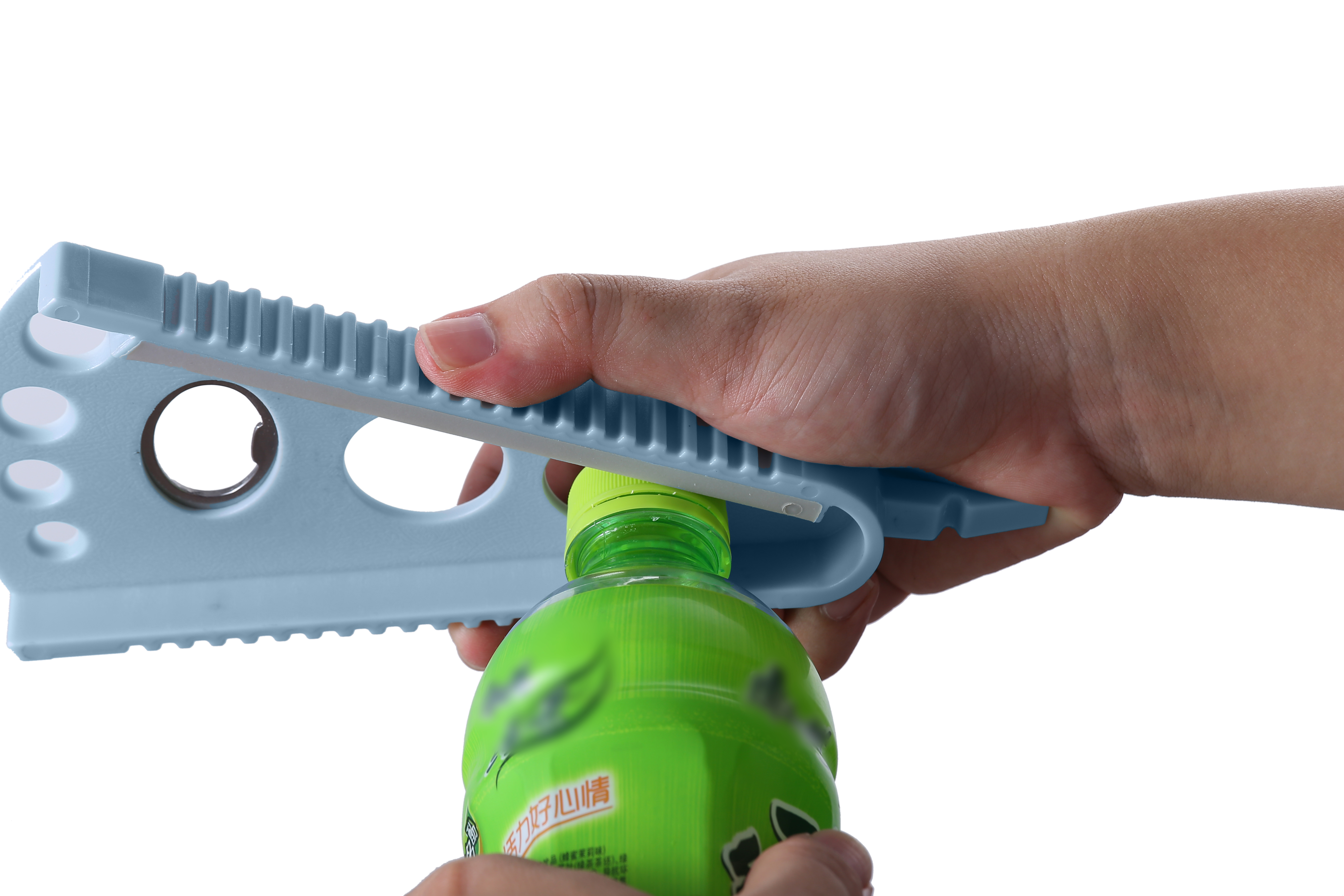
Discovering a Reputable Multi-functional Can Opener Factory
Sourcing from a multi-functional can opener factory is not only about finding a product that opens cans. For importers, wholesalers, promotional buyers, and kitchenware brands, the real goal is to identify a supplier that can provide consistent quality, practical design, dependable communication, and clear commercial terms. A can opener may be a small kitchen tool, but poor cutting performance, uncomfortable handles, weak assembly, or unclear packaging details can quickly lead to customer complaints.
The original article correctly points out that modern kitchens favor efficient, space-saving tools. Multi-functional designs can combine a can opener with other useful functions such as a bottle opener, jar lid aid, or package-opening feature. However, buyers should evaluate these claims carefully. The best sourcing decision comes from comparing samples, checking usability, and asking the factory precise questions before placing a wholesale or OEM order.
Key Takeaways
- A reputable factory should explain materials, functions, packaging, lead times, and quality control in clear terms.
- Multi-function design is useful only when each function works safely and comfortably.
- Buyers should request samples and test cutting smoothness, grip comfort, durability, and ease of cleaning.
- Do not rely only on product photos; confirm dimensions, materials, finishing, and available customization options.
- For OEM or wholesale orders, ask about tooling, artwork approval, inspection standards, and replacement policies.
Why Multi-functional Can Openers Matter in Kitchenware Sourcing
Retail and wholesale kitchenware ranges often compete on practicality. A multi-functional can opener can appeal to consumers who want fewer tools in a drawer and more everyday value from each item they buy. This is especially relevant for supermarket kitchen aisles, home goods stores, online bundles, gift sets, and private label kitchen tool collections.
From a buyer's perspective, the product must balance function and simplicity. If a can opener includes too many features, it may become bulky, confusing, or harder to manufacture consistently. If the tool is too basic, it may not stand out in a crowded category. A reliable factory should help you understand which functions are stable in production and which options may require additional testing, tooling, or packaging explanation.
What to Evaluate in the Product Design
The original article mentions useful add-on functions such as bottle opening, jar lid assistance, and package opening. These can be valuable, but each should be reviewed as a practical feature, not just a marketing claim. During product selection, ask for clear photos, videos, drawings, or samples that show how every function is used.
Important design points include:
- Cutting performance: The opener should grip the can rim reliably and cut smoothly without excessive force.
- Edge result: Ask whether the design is intended to reduce sharp edges, and verify this through sample testing rather than assumption.
- Handle comfort: The grip should suit the target consumer, including users who prefer larger or easier-to-hold handles.
- Operation direction: Confirm whether the tool is suitable for right-handed users, left-handed users, or both.
- Cleaning method: Check whether the product has gaps that trap food residue and ask for care instructions.
Comparison Checklist for Factory and Product Review
A structured checklist helps buyers compare suppliers fairly. The table below can be used during sample review, quotation comparison, or factory communication.
| Review Area | What to Check | Questions to Ask the Supplier |
|---|---|---|
| Core function | Smooth opening, stable grip, comfortable turning | Can you provide a sample for functional testing with common can sizes? |
| Additional functions | Bottle opener, jar aid, package opener, or other features | Which functions are standard, and which require custom tooling? |
| Materials | Body, handle, cutting wheel, coating, finish | What materials are used for each component, and can this be documented? |
| Ergonomics | Grip size, hand feel, force required, user safety | Has the design been revised based on usability feedback? |
| Quality control | Incoming checks, assembly checks, final inspection | What inspection steps are performed before shipment? |
| OEM support | Logo, color, packaging, instruction sheet | What files, approvals, and lead times are needed for customization? |
| Commercial terms | MOQ, sample cost, payment terms, delivery time | Can you confirm current terms in writing before order placement? |
Supplier Questions for OEM and Wholesale Buyers
When the topic is a factory or supplier, clear B2B communication is essential. Avoid vague questions such as “Is the quality good?” Instead, ask questions that produce measurable answers. For example, request the product weight, component materials, packaging dimensions, carton quantity, and sample availability. Ask whether the factory can support logo printing, color matching, private label packaging, or instruction leaflets if those are needed for your market.
Buyers should also ask how the factory handles approved samples. A practical process is to approve one pre-production sample and use it as a reference for bulk order inspection. If changes are made after sample approval, they should be confirmed in writing. For customized orders, ask whether artwork, color, and packaging layout require separate approval steps.
Do not assume that every supplier offers the same manufacturing capacity, certifications, MOQ, or testing. These details vary by factory and by order. Ask the supplier to provide current information, supporting documents where relevant, and realistic production timelines before you commit.
Quality Checks Before Placing a Bulk Order
A multi-functional can opener has moving parts and contact points that must work together. For this reason, sample testing is more useful than reviewing photos alone. Buyers can create a simple internal test by opening multiple cans of different sizes, checking grip comfort, and reviewing whether the opener remains stable after repeated use.
Useful checks include cutting consistency, handle alignment, wheel movement, surface finish, rivet or joint stability, and packaging protection. If the product includes a blade or sharp component for package opening, review whether it is safely positioned and clearly explained in the instructions. If the product is sold through retail channels, packaging should communicate functions accurately without overstating performance.
For larger orders, consider pre-shipment inspection by your team or a third party. Inspection criteria can include quantity, appearance, packaging, barcode placement, function testing, and comparison with the approved sample. The inspection standard should be agreed before production, not after problems appear.
Understanding Current Can Opener Market Trends
The original article notes that can opener industry trends are moving toward user-centered design and longer-lasting tools. In practical sourcing terms, this means buyers are often looking for products that feel sturdy, are easy to operate, and reduce drawer clutter. A compact tool with two or three reliable functions may be more successful than a complex tool with many weak features.
Another trend is clearer consumer communication. End users want to know how a tool works, how to clean it, and what makes it different from a basic opener. For brands and wholesalers, this makes packaging and product instructions important. Ask your supplier whether they can provide neutral product information, usage diagrams, or packaging templates. If you sell in a regulated market, confirm your own compliance responsibilities with qualified advisors rather than relying on assumptions.
How to Choose the Right Factory Partner
The right factory partner should respond with specific answers, not only broad promises. Look for a supplier that can explain product options, provide samples, clarify customization limits, and support consistent production. Communication quality is often a sign of how smoothly an order will proceed. If a supplier cannot confirm basic details such as materials, carton measurements, or packaging options, proceed carefully.
Price is important, but it should not be the only factor. A very low quotation may reflect thinner materials, simpler packaging, limited inspection, or unclear after-sales support. Compare quotations line by line and confirm exactly what is included. For a multi-functional kitchen tool, value comes from a workable balance of cost, usability, finish, packaging, and dependable supply.
Practical FAQ
What makes a multi-functional can opener different from a standard opener?
A multi-functional can opener combines the basic can-opening function with additional uses such as bottle opening, jar lid assistance, or package opening. Buyers should verify each function through samples.
What should I ask a can opener supplier before ordering?
Ask about materials, functions, sample availability, customization options, MOQ, lead time, packaging, inspection process, and how the factory handles approved samples and order changes.
Can I request OEM branding for a wholesale can opener order?
Many kitchen tool suppliers may offer logo, color, or packaging customization, but availability depends on the factory and order details. Confirm current options, artwork requirements, costs, and timelines in writing.
How can I check can opener quality before bulk production?
Test samples with different cans, review grip comfort, inspect moving parts, check surface finish, and compare the result with your target retail standard. Use the approved sample as the benchmark for bulk inspection.
Should I choose the cheapest factory quotation?
Not automatically. Compare the full offer, including material details, packaging, quality control, delivery time, and communication reliability. The lowest unit price may not deliver the best overall order value.
