




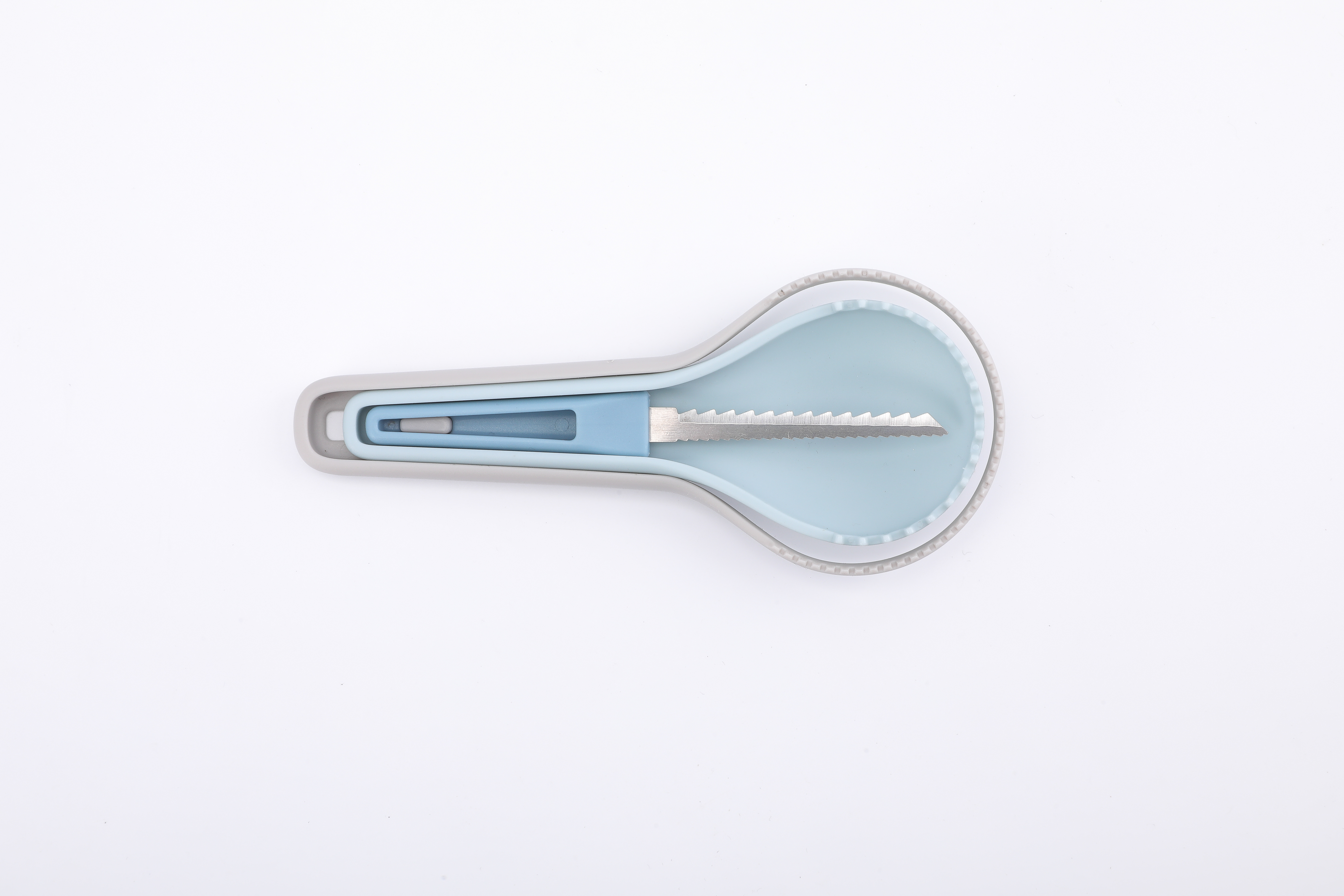
Discovering the Best Pumpkin Carving Knife Factory
Seasonal pumpkin carving may look simple, but the tools behind a clean jack-o'-lantern require careful design and dependable production. For importers, retailers, promotional product companies, and private-label buyers, choosing a pumpkin carving knife factory is not only about finding a sharp blade. It is about finding a supplier that understands safe handling, consistent batches, packaging for seasonal retail, and the practical needs of end users.
The original article correctly noted that pumpkin carving tools must pierce tough outer rind, support detailed etching, and provide a comfortable grip. This expanded guide turns those ideas into a sourcing checklist. Use it to compare manufacturers, prepare RFQs, and reduce the risk of buying tools that look acceptable in photos but perform poorly during carving season.
Key Takeaways
- A good pumpkin carving knife should balance cutting ability, control, durability, and safe handling.
- Buyers should verify materials, blade thickness, handle design, packaging, and quality-control procedures before ordering.
- Do not rely only on catalog photos; request samples and test them on real pumpkins.
- For OEM or wholesale orders, clarify labeling, artwork, carton packing, lead time, inspection standards, and after-sales responsibilities.
Why Factory Selection Matters for Pumpkin Carving Tools
Pumpkin carving knives face a different task from ordinary kitchen knives. They are often used in short sawing motions, through fibrous material, by families or casual users who may not have professional knife skills. A tool that bends too easily, has an uncomfortable grip, or lacks control can make carving difficult and increase the chance of accidents.
For B2B buyers, the factory choice also affects consistency. A seasonal order may ship to multiple retail locations, online warehouses, or promotional events. If one batch has loose handles, rough blade edges, or weak packaging, the issue can create returns and customer complaints at the worst time of year. A reliable factory should be able to explain how it controls production from material preparation to final packing, without making vague claims that cannot be checked.
What to Look for in a Pumpkin Carving Knife Manufacturer
The source article mentioned durable stainless steel and ergonomic handles as qualities often associated with better carving knives. When evaluating a manufacturer, treat these as details to verify rather than assumptions. Ask what blade material is used, whether the handle is plastic, wood, rubber, or another material, and how the blade is fixed into the handle.
A capable manufacturer should be prepared to discuss practical points such as:
- Blade shapes available for cutting, sawing, scooping, and detail work
- Handle size options for adults, children under supervision, or general family use
- Edge finishing, tip design, and burr control
- Resistance to bending during normal pumpkin carving use
- Retail packaging options, such as blister cards, boxed sets, or bulk packing
- Customization possibilities for logos, colors, instruction sheets, or set combinations
If you are sourcing for a specific market, also ask what documentation the supplier can provide and what tests, if any, have already been completed. Do not assume compliance based on appearance or general statements.
Comparison Checklist for Supplier Evaluation
The table below can help buyers compare factories in a structured way. It is especially useful when several suppliers offer similar prices but provide different levels of detail.
| Evaluation Area | What to Check | Questions to Ask the Factory |
|---|---|---|
| Blade design | Shape, thickness, tip style, edge finish | Which blade types are best for cutting, sawing, and detail carving? |
| Material information | Blade and handle materials stated clearly | What material is used, and can it be confirmed on the quotation or specification sheet? |
| Handle comfort | Grip shape, surface texture, size, balance | Can you provide samples for hand-feel and carving tests? |
| Assembly strength | Blade-to-handle connection, looseness, bending | How do you check handle attachment during production? |
| Quality control | Incoming checks, in-process checks, final inspection | What defects are inspected before packing, and what is the acceptance standard? |
| Packaging | Retail display, safety warnings, carton strength | Can packaging be customized, and who provides print-ready artwork? |
| OEM service | Logo, color, set composition, instructions | What customization details require tooling, samples, or approval time? |
Understanding the Production Process
The original article described pumpkin carving knife production as a process that balances strength with precision. In practice, buyers should ask for a simple process overview. A typical production flow may include blade forming, edge finishing, handle preparation, assembly, cleaning, inspection, and packing. The exact steps will depend on the design and materials used.
What matters most is not a complicated presentation, but evidence that the factory controls repeatable details. For example, are blades checked for rough edges? Are handles inspected for cracks, flashing, or poor fit? Are completed tools packed in a way that prevents damage during transport? If a factory cannot explain its inspection points, buyers should be cautious, especially for large seasonal orders.
Sample Testing Before a Wholesale Order
Samples are essential. A pumpkin carving knife can look suitable online but fail when used on a real pumpkin. Before confirming a purchase order, test several samples under realistic conditions. Use pumpkins of different sizes and rind thicknesses. Try straight cuts, curved cuts, small detail work, and repeated sawing motions.
- Check whether the blade tracks cleanly or wanders during cutting.
- Observe whether the handle remains comfortable after several minutes of use.
- Look for bending, looseness, or visible stress after repeated cuts.
- Inspect the edge and tip for burrs or deformation.
- Review packaging for clear presentation and safe containment.
If your order is a set, test every tool in the set, not only the main knife. Scoops, detail tools, and saw-style blades all affect the final user experience.
OEM, Packaging, and Seasonal Planning Questions
Pumpkin carving products are time-sensitive. Retailers generally need goods before the seasonal peak, so planning is as important as product design. When requesting a quotation, provide the expected order quantity, target packaging, destination market, preferred delivery window, and whether you need private labeling.
Ask the factory the following questions before moving forward: What is the sample lead time? What is the production lead time after artwork approval? What files are needed for packaging design? Are warning labels or instructions included, and who is responsible for their wording? How are inner cartons and master cartons packed? Can the supplier support third-party inspection before shipment?
These questions do not imply that every factory offers every service. They help you identify the supplier whose process fits your sales channel and risk tolerance.
Practical FAQ
What makes a pumpkin carving knife different from a kitchen knife?
A pumpkin carving knife is usually designed for controlled cutting, sawing, and detail work on pumpkin rind and flesh. The best design depends on the intended user and carving style, so buyers should test samples instead of assuming a kitchen knife shape is suitable.
Should buyers request stainless steel blades?
Stainless steel is commonly discussed for durability and corrosion resistance, but buyers should confirm the exact material offered by the supplier. Ask for the material to be stated in the quotation and product specification.
How can I judge handle quality?
Check grip comfort, texture, size, balance, and whether the blade feels secure in the handle. A handle should help the user control the tool during short, repetitive carving motions.
Is OEM packaging important for pumpkin carving tools?
Yes. Seasonal products often compete on shelf presentation and clear instructions. Confirm packaging format, artwork requirements, safety messaging responsibilities, and carton durability before ordering.
What should be included in a factory RFQ?
Include target quantity, tool type or set composition, material expectations, packaging format, logo needs, destination market, inspection requirements, and delivery schedule. The more specific the RFQ, the easier it is to compare suppliers fairly.
Final Thoughts
Finding the best pumpkin carving knife factory is less about choosing the lowest quote and more about confirming that the supplier understands performance, consistency, and seasonal delivery. A dependable manufacturer should be able to answer technical questions, provide useful samples, support packaging discussions, and explain how quality is checked during production. With careful evaluation, buyers can source carving tools that perform well for customers and reduce avoidable problems during the busiest pumpkin season.
