




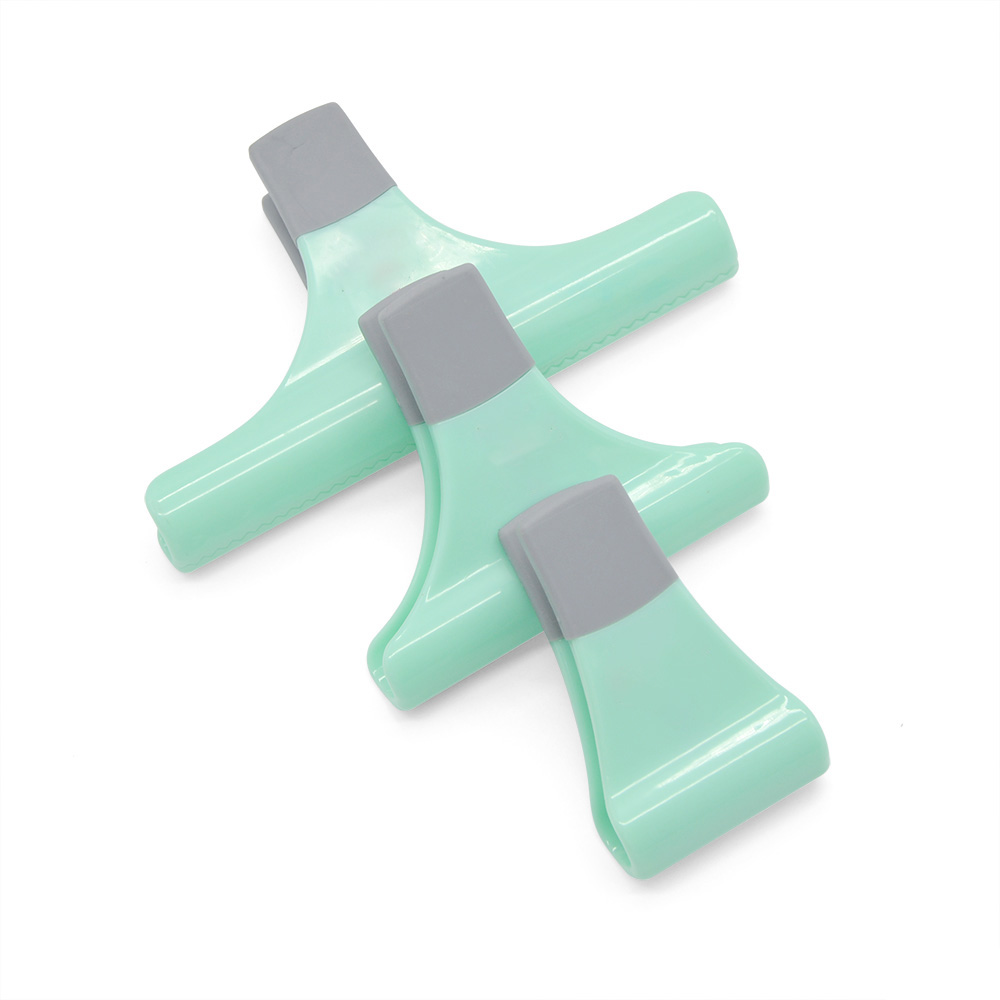
How to Choose a Reliable Food Sealing Clip Factory
Food sealing clips are simple products, but sourcing them well still requires careful supplier evaluation. For retailers, promotional product buyers, kitchenware distributors, and private-label brands, the goal is not only to find a low unit cost. A dependable food sealing clip factory should help deliver consistent grip strength, practical usability, suitable packaging, and clear communication throughout sampling and production.
The original purpose of a sealing clip is straightforward: it helps close opened food bags such as chips, snacks, and pantry items so the contents are easier to store and less exposed to air. Many buyers also look for ergonomic handling, a secure hold that does not slip easily, and a clean appearance that fits modern kitchen storage. When buying in bulk or developing a custom version, these everyday details become important quality checkpoints.
What a Food Sealing Clip Factory Typically Provides
A sealing clip factory usually focuses on the production, finishing, assembly, inspection, and packing of clips used for household food storage and general bag closure. Some suppliers may offer standard stock designs, while others may support customized sizes, colors, or branding. Because capabilities vary, buyers should confirm details rather than assume them.
For B2B purchasing, ask whether the supplier can provide samples, explain available materials, show current packaging options, and clarify whether private-label packing is possible. If your order requires a particular color, logo, barcode, retail card, display box, or multi-pack format, confirm these points early. A good supplier should be able to explain what is standard, what requires tooling or setup, and what may affect lead time.
Key Takeaways
- Evaluate sealing clips by grip, ease of use, durability, finish, and packaging suitability.
- Do not assume customization is available; ask about size, color, logo, and retail packing options.
- Request samples before placing wholesale or OEM orders.
- Use clear specifications so the factory can quote accurately and reduce production misunderstandings.
Core Quality Checks Before You Buy
Because sealing clips are handled repeatedly, small design issues can create customer complaints. A clip that is too stiff may be uncomfortable. A clip that is too weak may not close a bag securely. Edges should feel smooth enough for regular household use, and the opening mechanism should be easy to operate.
When reviewing samples, test them on different bag types: thin snack bags, folded pantry bags, thicker packaging, and partially filled bags. Look at whether the clip stays aligned, whether the grip is consistent, and whether it leaves the bag easy to reopen. Also inspect color consistency, surface finish, and whether any printed or branded elements are clean and positioned correctly.
Factory, Trader, or Wholesale Supplier: What Is the Difference?
Not every seller is the actual manufacturer. Some companies are factories, some are trading companies, and some are wholesale distributors. Each can be useful, depending on your sourcing goals. A factory may offer more direct control over customization and production feedback. A trader may help consolidate multiple kitchenware items. A wholesaler may be suitable when you need available inventory or smaller mixed orders.
| Supplier Type | Best For | Questions to Ask |
|---|---|---|
| Factory | Custom colors, branding, repeat wholesale orders, production control | What customization is available? Can you provide samples? What inspection steps are used? |
| Trading Company | Combining sealing clips with other houseware products | Which factory makes the item? How is quality controlled? Can specifications be locked? |
| Wholesaler | Stock items, faster replenishment, smaller assortment purchasing | What inventory is available? Are colors fixed? Is private-label packing possible? |
Customization Options to Discuss
Custom sealing clips can be useful for kitchenware brands, gift sets, supermarket private labels, and promotional campaigns. Common customization requests may include color selection, brand printing, packaging design, set quantity, and size variation. However, commercial details such as minimum order quantity, setup cost, print method, and lead time should always be confirmed with the supplier.
Before requesting a quotation, prepare a clear brief. Include target market, intended retail channel, preferred pack count, color references, logo artwork format, and packaging requirements. If the clip must fit a specific bag width or product category, provide measurements and photos. The more precise the brief, the easier it is for a factory to advise whether an existing design is suitable or whether a custom solution is required.
Questions Buyers Should Ask a Sealing Clip Manufacturer
- What standard sealing clip designs, sizes, and colors are currently available?
- Can you provide pre-production samples for approval before mass production?
- What materials are offered, and are material details available for review?
- Can the clip be customized with a logo, specific color, or retail packaging?
- How do you check grip strength, surface finish, and assembly consistency?
- What packing formats are available for bulk shipping or retail sale?
- What information is needed to prepare an accurate quotation?
- How are defects, color differences, or packaging errors handled?
These questions help separate general marketing claims from practical sourcing information. If a supplier cannot answer basic production and quality questions, buyers should proceed cautiously or request additional evidence before committing.
Packaging and Logistics Considerations
Packaging has a direct effect on the way sealing clips are sold and shipped. A simple bulk pack may suit distributors or repackers, while retail buyers may need hang cards, header bags, printed boxes, or multi-piece sets. Packaging should protect the clips from scratches, deformation, and contamination during handling, while also matching the expectations of the sales channel.
Ask the supplier about carton quantity, carton size, gross weight, and whether packaging artwork templates are available. If your market requires specific labeling, warnings, barcodes, or language, provide those requirements in writing. The factory should not be expected to guess local retail or compliance needs; the buyer should define them and verify them before production.
How to Compare Quotations Fairly
Price comparisons only make sense when the specifications are the same. A quote for a plain bulk-packed clip cannot be compared directly with a quote for a custom-colored, logo-printed, retail-packed set. To compare suppliers fairly, request quotations based on the same design, material description, color, pack count, packaging style, order quantity, and delivery terms.
Also consider the cost of poor consistency. A slightly cheaper clip may become expensive if it slips off bags, breaks during normal use, arrives with rough edges, or requires rework before retail sale. For repeat B2B purchasing, reliable communication and stable quality can be as important as the initial unit price.
Practical FAQ
What is the main use of a food sealing clip?
It is used to close opened food packages such as snack bags, chip bags, and pantry bags, helping keep the contents contained and easier to store.
Can sealing clips be customized?
Many suppliers may offer customization such as size, color, branding, or packaging, but availability depends on the factory. Buyers should confirm options, costs, and lead times before ordering.
Should I request samples before a wholesale order?
Yes. Samples allow you to test grip, comfort, appearance, packaging, and suitability for your target bag types before committing to bulk production.
What should be included in a sourcing brief?
Include quantity, target market, clip size, preferred colors, branding needs, packaging style, artwork files, delivery expectations, and any inspection requirements.
How do I avoid misunderstandings with a factory?
Use written specifications, approve samples, confirm packaging details, and keep records of agreed colors, logos, pack counts, and quality expectations.
Final Sourcing Advice
A good sealing clip factory should be evaluated by more than a product photo. Review samples, ask practical production questions, define customization needs clearly, and compare quotations on equal terms. For brands and wholesale buyers, the best supplier is one that can provide consistent everyday usability, clear communication, and packaging that fits the sales channel. With a structured sourcing process, sealing clips can be a reliable addition to a kitchenware, houseware, or food storage product line.
