





Household Scissors: Practical Buying and Sourcing Guide
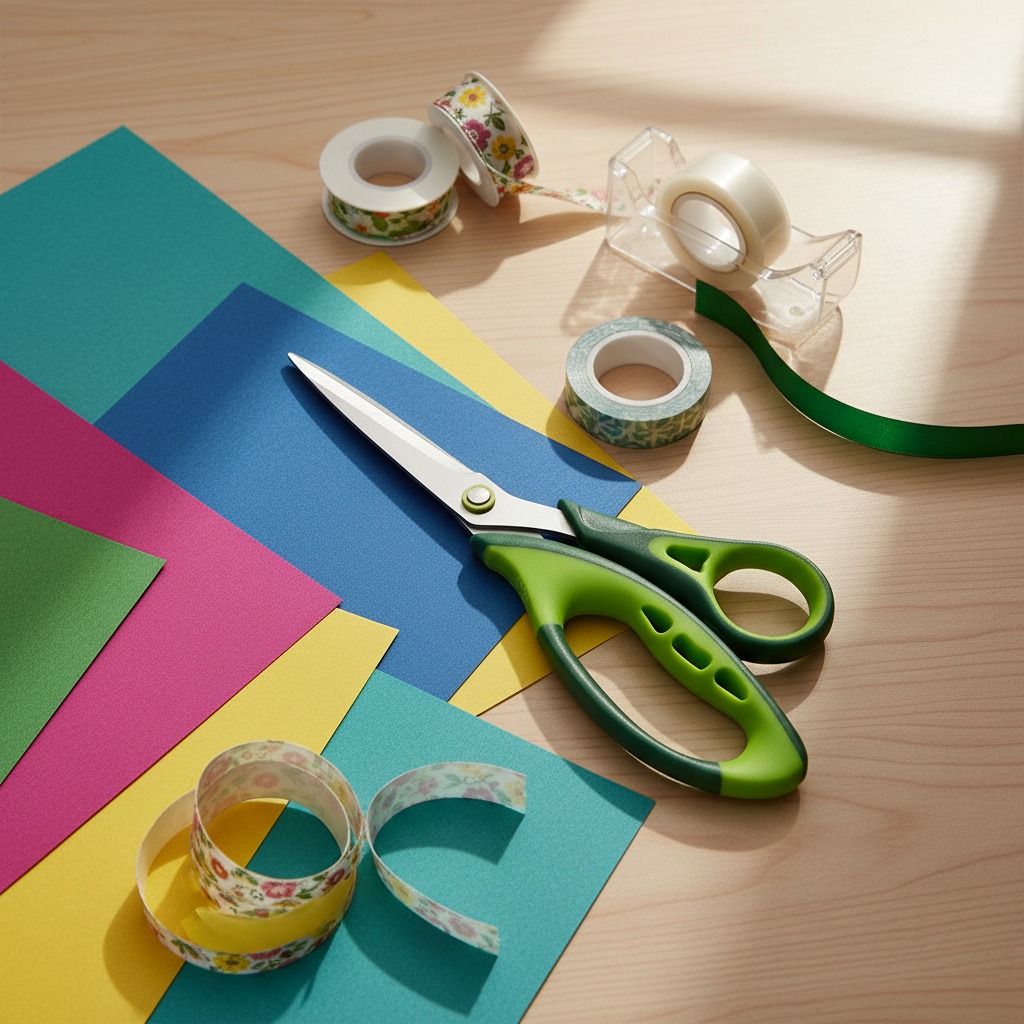
Household scissors are simple tools, but the right pair can make daily cutting tasks cleaner, safer and less tiring. In a home, retail pack, office supply range or private-label houseware program, scissors may be used for paper, thread, light plastic packaging, gift wrap, labels and craft materials. Because the tool is handled often and stored in many different places, buyers should look beyond appearance and consider blade performance, handle comfort, size, packaging and after-sale expectations.
The original product shown features a two-tone green handle, an ergonomic soft-grip design, stainless steel blades and an 8 inch sizing option. Those are useful details for selection, but they should be reviewed alongside intended use. A pair designed for household and light multipurpose tasks is not the same as heavy-duty shears or specialist kitchen, tailoring or industrial cutting tools. This guide explains how to choose household scissors for practical use and how B2B buyers can discuss custom scissors manufacturing without assuming specifications that have not been confirmed.
Key Takeaways
- Household scissors are best judged by use case: paper, craft, thread, light packaging and general home tasks.
- An 8 inch scissors option often gives a workable balance between cutting length and hand control.
- Handle comfort matters because fatigue can appear quickly during repeated cutting.
- For OEM, wholesale or custom scissors manufacturing, ask suppliers to confirm blade material, handle material, packaging, test methods, artwork options and lead time.
What Makes Household Scissors Different?
Household scissors are intended to be accessible, versatile and easy to store. They are usually chosen for mixed tasks rather than one specialized application. A good household pair should cut cleanly through common materials without requiring excessive hand pressure. It should also feel stable in the hand, because users may shift between quick snips and longer straight cuts.
Office scissors, by comparison, are often selected for paper, envelopes, labels and administrative use. They may be lighter and optimized for desk drawers. Household scissors may need to handle a wider range of light materials found around the home, including ribbon, thread, craft paper and thin plastic packaging. That wider use makes grip shape, blade alignment and general durability more important in purchasing decisions.
Choosing the Right Size: Why 8 Inch Scissors Are Common
Size affects both cutting efficiency and control. An 8 inch scissors model is a common household choice because it is long enough to make smooth cuts across paper or wrapping material, yet still manageable for many users. Smaller scissors may be better for detail craft work or school pencil cases, while larger models may suit longer cuts but can feel awkward in tight drawers or for users with smaller hands.
When comparing size options, consider who will use the product and where it will be stored. A family kitchen drawer, craft station, office desk and retail multipack may each call for a different approach. For B2B assortment planning, it may be useful to offer one standard household size and one smaller or specialty option, but this should be based on customer demand, packaging space and price positioning.
Comparison Checklist for Buyers
| Selection point | Household scissors | Office scissors | Questions to ask a supplier |
|---|---|---|---|
| Main use | Mixed home, craft and light packaging tasks | Paper, envelopes and desk tasks | What materials is the model intended to cut? |
| Typical size | Often around 8 inch for general use | Varies by desk or stationery range | Which sizes are available for this design? |
| Handle focus | Comfort for repeated daily use | Lightweight desk convenience | What handle material and grip texture are used? |
| Blade consideration | Clean cuts on common household materials | Precise cuts on paper | What blade material, edge finish and sharpness checks are provided? |
| B2B concerns | Retail appeal, packaging, color, user comfort | Stationery set matching and bulk office supply | Can packaging, color and branding be customized? |
Handle Comfort and Everyday Safety
The handle is often the first feature users notice. The shown household scissors use a two-tone green ergonomic handle with a soft-grip design, which can help improve comfort during repeated cutting. For any scissors program, the handle should provide enough space for fingers, a stable hold and edges that do not dig into the hand. Comfort is especially important for craft sessions, gift wrapping or small business packing work where many cuts are made in a row.
Safety also depends on storage and user behavior. Household scissors should be stored with the blades closed and kept away from young children unless supervised. If the product is intended for family use, retailers and importers should confirm whether any age guidance, warning language or packaging requirements apply in their target market. Do not assume compliance from a product photo; request written details from the supplier.
Blade Performance and Care
The original article notes stainless steel blades, a common choice for household scissors because they can provide useful cutting performance and everyday corrosion resistance when properly cared for. Still, buyers should not rely on the words stainless steel alone. The exact material grade, hardness, edge angle, polishing and assembly quality can all affect cutting feel and service life. If those details are important for your market, ask for them directly.
For end users, care is straightforward. Wipe the blades after cutting adhesive materials, avoid using household scissors on wire or very hard plastic, and keep the pivot area clean. If scissors begin to drag or chew material, residue, loose pivot tension or dull edges may be the cause. A dedicated pair for paper and a separate pair for kitchen packaging can reduce wear and avoid cross-contamination of materials.
Custom Scissors Manufacturing for B2B Buyers
Custom scissors manufacturing can cover color selection, handle design, logo placement, retail packaging, barcode labeling, carton marks and assortment planning. However, every customization has commercial and technical limits. Before requesting a quote, buyers should prepare a clear brief rather than asking only for the lowest unit price.
- Define the target user: home, office, craft, promotional giveaway or retail houseware shelf.
- Specify size requirements, such as an 8 inch scissors option or a range of sizes.
- Confirm blade and handle material details instead of assuming them from a sample image.
- Ask what packaging formats are available, such as carded, blister, sleeve or bulk pack, if relevant.
- Request information on sample timing, production lead time, artwork process, inspection steps and shipping carton details.
- Ask whether the supplier can provide documents needed for your destination market, without assuming certifications are already in place.
For importers, wholesalers and private-label brands, the best supplier discussions are specific. Ask for a pre-production sample, clarify acceptable tolerances for color and finish, and agree on how sharpness, opening smoothness, handle appearance and packaging quality will be checked. If you need compliance with particular retailer standards or national regulations, name those requirements and ask the supplier what evidence can be provided.
How to Match Scissors to the Sales Channel
A household scissors product for a supermarket peg display may need bright packaging, clear usage icons and a competitive price point. A craft store may value comfort, color variety and clean cutting on paper and ribbon. Office supply buyers may focus on consistent quality, simple packaging and bulk purchasing. Online listings need accurate photos, size information and plain-language descriptions of intended use.
Do not overpromise. If the scissors are designed for light household tasks, describe them that way. Claims such as professional tailoring performance, food-safe kitchen use or industrial strength should only be used if they are supported by product design, testing and documentation. Clear positioning reduces complaints and helps customers choose the right tool.
Practical FAQ
Are household scissors the same as office scissors?
Not always. Office scissors are usually chosen for paper and desk tasks, while household scissors are selected for a wider mix of light home, craft and packaging uses.
Is an 8 inch scissors size suitable for everyday use?
For many users, yes. An 8 inch size offers a practical balance between cutting length and control, but smaller hands or detail work may require a shorter pair.
Can household scissors cut fabric?
They may cut some light fabric or thread, as noted in the original product description, but dedicated sewing scissors are usually better for frequent fabric cutting.
What should B2B buyers ask before ordering custom scissors?
Ask about available sizes, blade material, handle material, color matching, logo method, packaging, sample approval, lead time, inspection criteria and any documents needed for your market.
How can users extend the life of household scissors?
Use them only on suitable light materials, keep adhesive residue off the blades, store them dry and closed, and avoid cutting wire, thick plastic or other hard materials.
