




Easy Grip Fabric Scissors: Precision and Comfort for Fabric Cutting
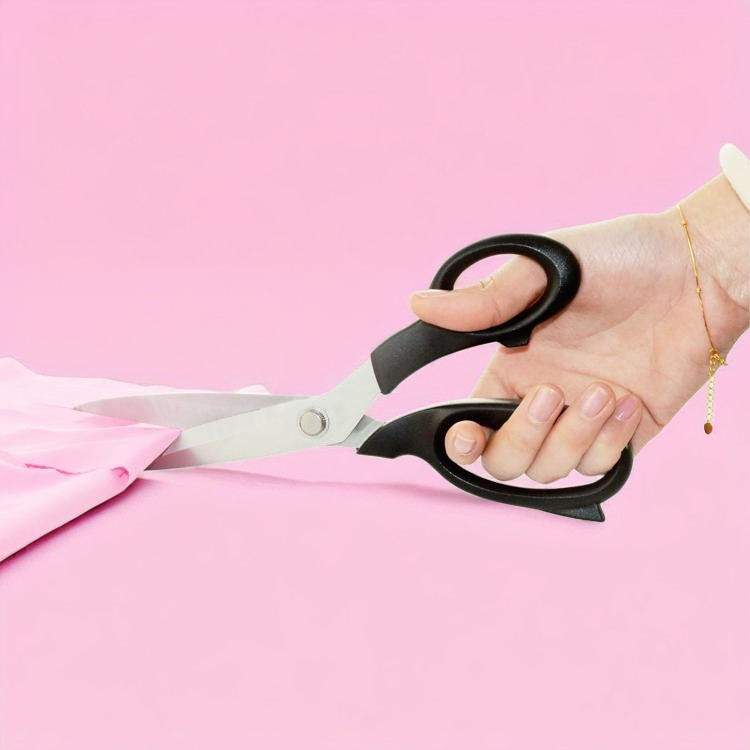
Fabric scissors look simple, but the right pair can change how accurately and comfortably people cut cloth. For sewing studios, tailors, craft retailers, school supply buyers, and home users, easy grip fabric scissors are chosen for one main reason: they help the hand stay controlled during repeated cutting. The original Bonet Houseware article highlighted comfort, control, clean cutting, stainless steel blades, and black ergonomic handles. This rewritten guide explains how to evaluate those points more carefully before buying, stocking, or using a pair.
Unlike general household scissors, fabric scissors should be selected around the material being cut, the amount of daily use, and the user’s hand comfort. A pair that works well for occasional cotton craft projects may not be the best choice for a tailoring shop cutting multiple layers every day. Buyers should also avoid relying on appearance alone. Handle shape, blade alignment, edge sharpness, pivot movement, and supplier communication all matter.
Key Takeaways
- Easy grip fabric scissors are useful when comfort and cutting control are priorities.
- Stainless steel blades were noted in the original product description, but buyers should still ask about blade thickness, edge finish, and maintenance requirements.
- Ergonomic black handles can improve handling, but comfort should be checked against different hand sizes.
- Wholesale and OEM buyers should request clear answers on packaging, quality inspection, sample policy, lead time, and after-sales support.
- Fabric scissors last longer when reserved for textiles and kept away from paper, wire, plastic sheet, or adhesive materials.
What Makes Easy Grip Fabric Scissors Different?
Easy grip fabric scissors are designed to reduce the strain that can build up during repeated cutting. A comfortable handle gives the fingers more stable contact points, helping the user guide the blades smoothly along a marked line. This is especially valuable in fabric crafts, garment sampling, quilting, tailoring, upholstery trimming, and classroom projects where many cuts are made in one session.
The benefit is not only comfort. Better grip can also support better accuracy. When the hand slips or the handle feels too narrow, the user may twist the blades or lift the fabric, causing jagged edges. A controlled grip keeps the lower blade closer to the cutting surface, which is important for long straight cuts and gentle curves.
How to Choose Fabric Scissors for Crafting and Sewing
Start with the fabric type. Lightweight cotton, felt, lining fabric, denim, canvas, and layered material do not feel the same under the blade. If you are purchasing for a retail range or workshop, consider offering or testing scissors across common use cases rather than selecting only by size or color.
Next, check the cutting action. Open and close the scissors slowly. The blades should move without grinding, wobbling, or feeling too loose. A smooth pivot helps with long cutting sessions and makes the tool easier for beginners to control. If the scissors include stainless steel blades, as stated in the original article, ask the supplier how the blade edge should be maintained and whether sharpening is recommended.
Handle comfort is equally important. The original product description mentioned sleek black ergonomic handles. For practical evaluation, ask whether the handle opening fits a range of hand sizes and whether the grip remains comfortable after several minutes of use. Buyers serving sewing schools or craft stores should remember that users may include adults, students, and occasional hobbyists.
Comparison Checklist for Buyers
The table below can be used by individual users, sourcing teams, or wholesale buyers when comparing easy grip fabric scissors from different suppliers.
| Evaluation Point | What to Check | Why It Matters |
|---|---|---|
| Blade material | Confirm whether stainless steel is used and ask about edge care. | Material affects durability, corrosion resistance, and maintenance. |
| Cutting performance | Test on the fabric types your customers or team actually use. | Clean cutting reduces fraying, rework, and user frustration. |
| Handle design | Check grip comfort, opening size, and surface feel. | Comfort supports longer cutting sessions and steadier control. |
| Pivot stability | Open and close the scissors several times and check for looseness. | A stable pivot helps maintain blade alignment. |
| Packaging options | Ask what packaging is available for retail, bulk, or private label orders. | Packaging affects shelf presentation, shipping protection, and resale needs. |
| Supplier documentation | Request product details, inspection process, and sample information. | Clear documentation helps reduce sourcing risk. |
B2B Sourcing Guidance for Wholesale and OEM Orders
For importers, distributors, and brand owners, sourcing scissors is not only about finding a low unit price. The product will be handled directly by end users, so consistency and basic quality control are important. Before placing a volume order, ask the supplier practical questions rather than assuming details that are not listed.
- What blade material, handle material, and finish are used for the current model?
- Can a pre-production or stock sample be provided for cutting tests?
- What packaging formats are available, and can barcodes, labels, or instructions be added?
- How is blade alignment checked before shipment?
- What are the expected lead time, order quantity requirements, and shipping carton details?
- Are replacement, defect reporting, or after-sales procedures available in writing?
If the order involves an OEM or private label project, also clarify color matching, logo placement, artwork file requirements, and approval steps. Do not assume that a sample, retail package, or customized handle color is included unless the supplier confirms it. Written confirmation helps both sides avoid misunderstanding.
Use and Care Tips for Longer Service Life
Fabric scissors should be treated as a dedicated textile tool. Cutting paper, cardboard, plastic straps, adhesive tape, or wire can dull the edge quickly. In shared studios, label the scissors clearly so they are not used for general office tasks. Wipe the blades after cutting lint-heavy fabrics, and keep the pivot area clean so the cutting motion remains smooth.
Store the scissors closed and dry. If they are placed in a drawer with other metal tools, protect the blade edge with a cover or separate compartment. If cutting starts to feel rough, stop and inspect the blades instead of forcing the cut. Forcing the tool may worsen misalignment or damage delicate fabric.
Common Mistakes to Avoid
One common mistake is buying scissors only because they feel sharp at first. Initial sharpness matters, but comfort, pivot stability, and suitability for the fabric type are just as important. Another mistake is choosing a handle style without considering who will use it. A handle that suits one person may feel too tight or too large for another.
Wholesale buyers should avoid vague specifications such as “good quality scissors” in purchase orders. Use measurable or confirmable details where possible: blade material as provided by the supplier, handle color, packaging type, sample approval status, and inspection expectations. This makes communication more professional and reduces the chance of receiving a product that does not match the sales plan.
FAQ
Are easy grip fabric scissors only for professional tailors?
No. They are useful for tailors, sewing students, craft hobbyists, quilting groups, and anyone who cuts fabric regularly. Professionals may need stricter performance checks because they use the tool more often.
Can fabric scissors be used for paper?
It is better not to. Paper can dull the cutting edge, making fabric cuts less clean. Keep a separate pair of general-purpose scissors for paper and packaging tasks.
What should wholesale buyers test before ordering?
Test cutting comfort, blade alignment, packaging strength, and performance on the fabrics your customers commonly use. Also confirm commercial details such as sample availability, lead time, order quantity, and labeling options with the supplier.
Do ergonomic handles guarantee less hand fatigue?
They can help, but comfort depends on hand size, cutting habits, and session length. If possible, test the scissors with several users before selecting them for a workplace or retail range.
What information should I ask a supplier to provide?
Ask for confirmed material details, product dimensions if available, packaging options, sample policy, inspection method, delivery schedule, and any customization process. Avoid assuming specifications that are not clearly stated.
